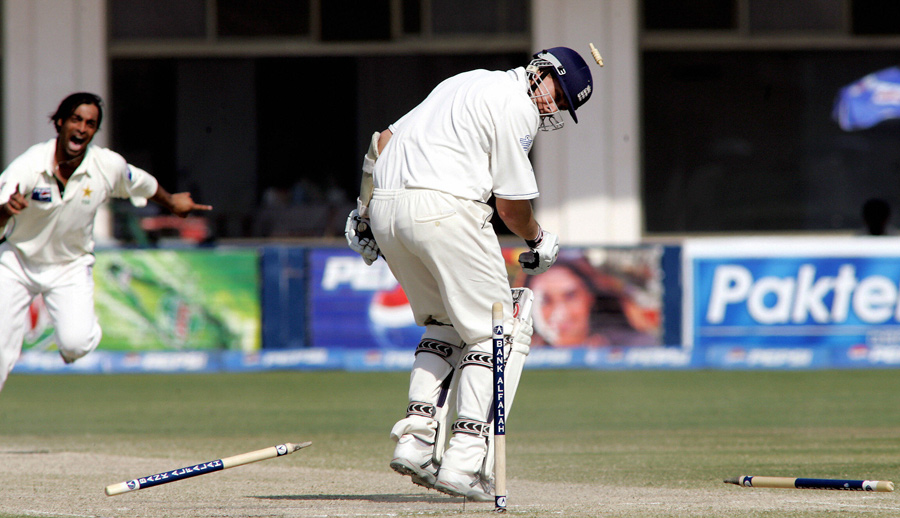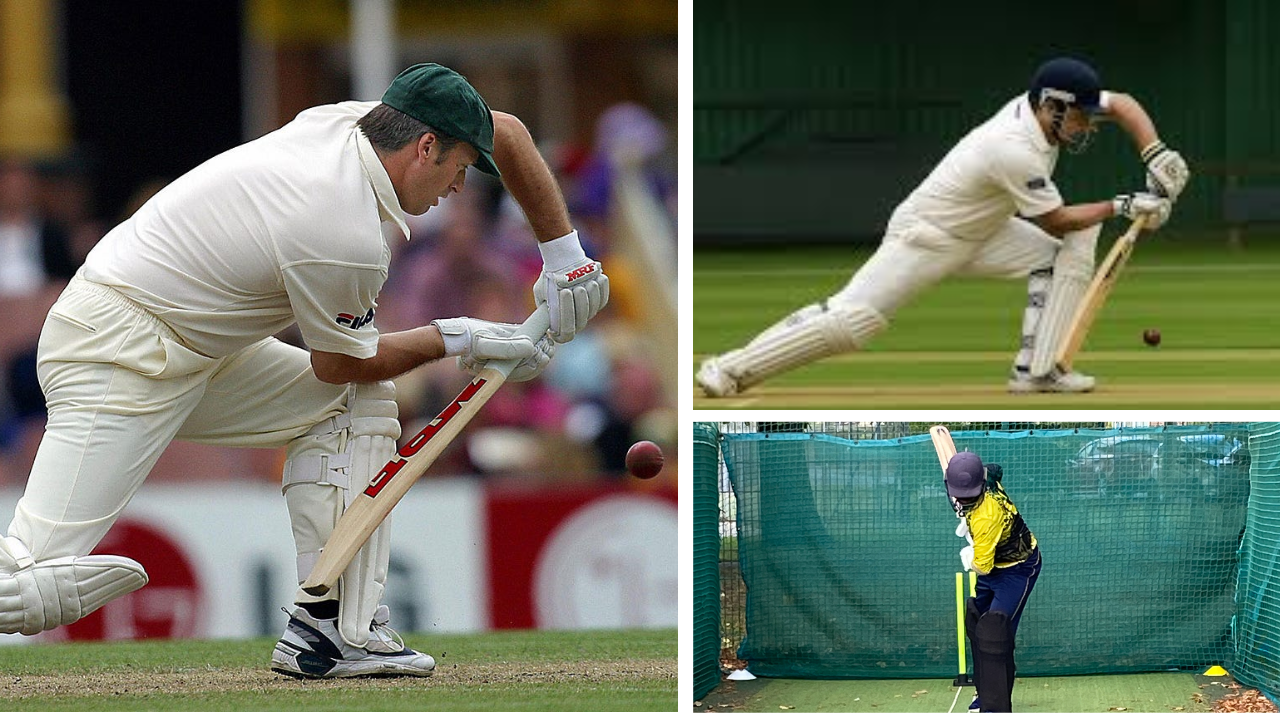
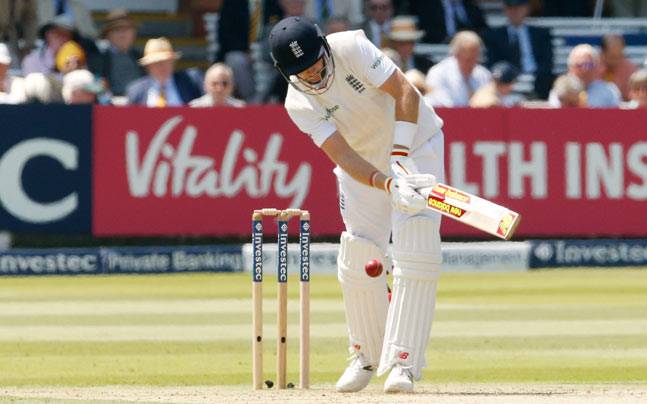
The Leg Before Wicket (LBW) law in cricket has been a source of never-ending debate and speculation. In the pre-DRS era, the LBW law hardly shied away from igniting controversy. To successfully adjudicate an LBW appeal, an umpire needed to make several considerations. A number of factors had to be kept in mind. For example, the umpire needed to accurately assess the impact of the ball, at what point the ball made contact with the pad or body not holding the bat, and whether or not it was going in to hit the stumps.
But there is another crucial criterion that must be taken into account. And that is to see whether the ball pitched outside the line of leg stump or not. So a burning question stands – Can You Be Out LBW If the Ball Pitches Outside Leg Stump?
The short and definite answer is – NO
In this article, we will explore the LBW law and try to understand the logic behind why a batter can’t be dismissed LBW when the ball pitches outside the leg stump.
Can You Be Out LBW If the Ball Pitches Outside Leg Stump? Here Is The Real Truth
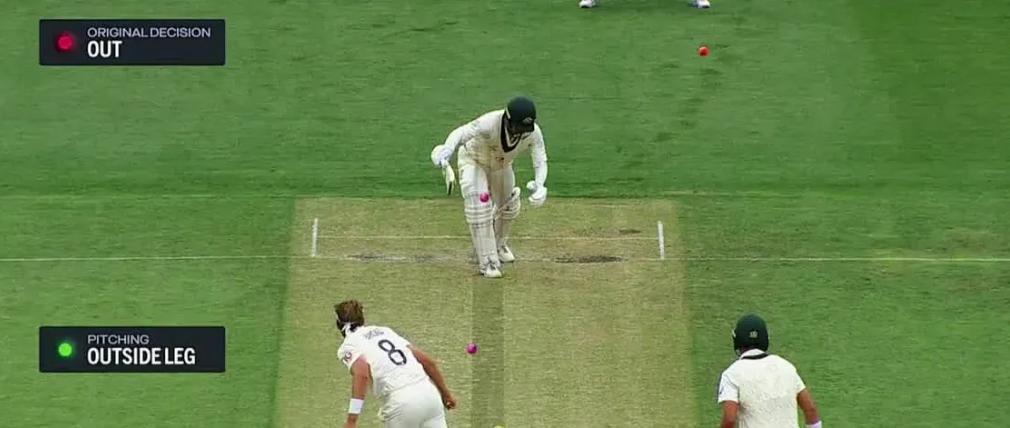
According to Law 36 of the MCC, for a batter to be dismissed LBW, the following conditions have to be met.
36.1.1 The bowler delivers a ball, not being a No ball
36.1.2 the ball, if it is not intercepted full-pitch, pitches in line between wicket and wicket or on the off side of the striker’s wicket
36.1.3 the ball not having previously touched his/her bat, the striker intercepts the ball, either full-pitch or after pitching, with any part of his/her person
36.1.4 the point of impact, even if above the level of the bails,
either is between wicket and wicket
or if the striker has made no genuine attempt to play the ball with the bat, is between wicket and wicket or outside the line of the off stump.
36.1.5 but for the interception, the ball would have hit the wicket.
Clause 36.1.2 states very clearly that the ball must pitch either in line with the stumps or just outside the off-stump. In no other clause does it make a mention of ball pitching outside the leg stump. So, can you be out LBW if the ball pitches outside the leg stump? Clearly, no chance of that happening, as the LBW law makes it crystal clear that the ball must either pitch in line with the stumps or just outside off stump line, but NEVER outside leg stump.
So Can You Be Out LBW If the Ball Pitches Outside Leg Stump? And Why Not?
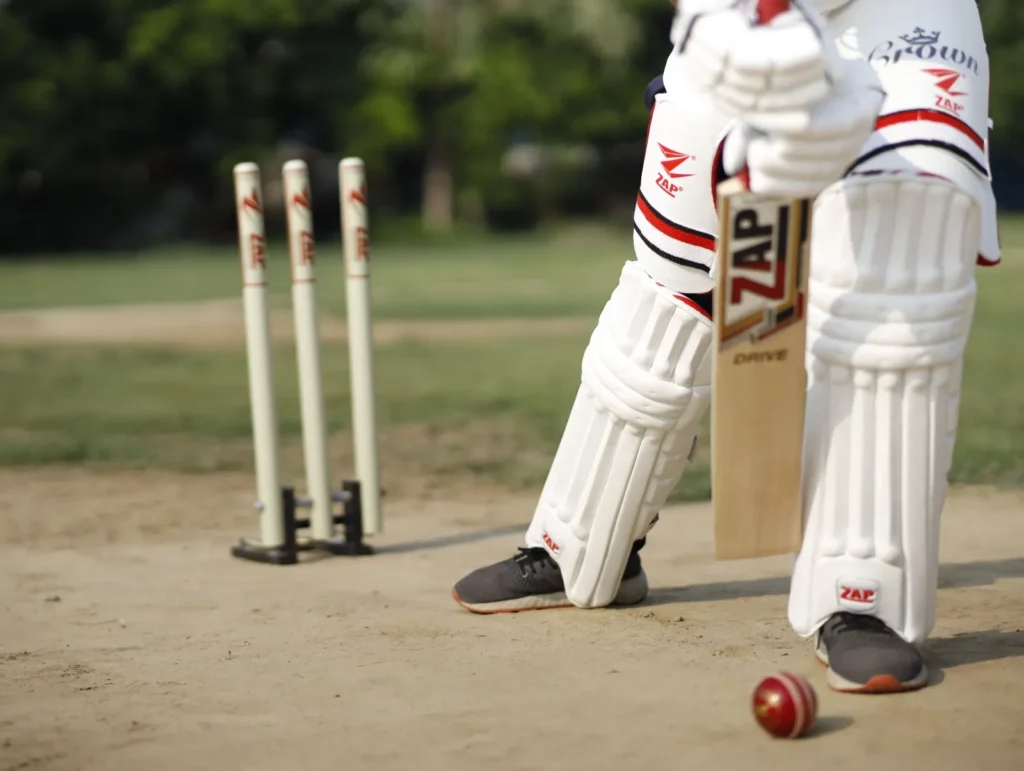
The LBW law first came into existence in 1744 and has since undergone numerous amendments. This was done in an effort to strike a fair balance between bat and ball to make the game more exciting. While we’ve now come to terms with the fact that the batter can’t be dismissed LBW when the ball pitches outside leg, it’s time to delve further into the reasoning.
This LBW clause exists primarily because the authorities back in the day realized that any ball that pitches outside the line of leg stump is generally hard to hit. In other words, your body will inadvertently come in the way of the ball should it pitch outside leg. It was often referred to as the batter’s “Blind Spot”. Balls pitching outside leg stump often come from behind the batsman’s back or front pad, making them difficult to spot and hit.
Another major reason to have this clause in place was to discourage bowlers from resorting to “negative” bowling tactics. It could have been an easier ploy for the bowlers to target a batter’s pads from a much sharper angle, i.e., from around the wicket. But thankfully, the laws of the game offer a leeway to the batters in this regard.
Can You Be Out LBW If the Ball Pitches Outside Leg Stump? Which Type Of Bowlers Are Affected The Most?
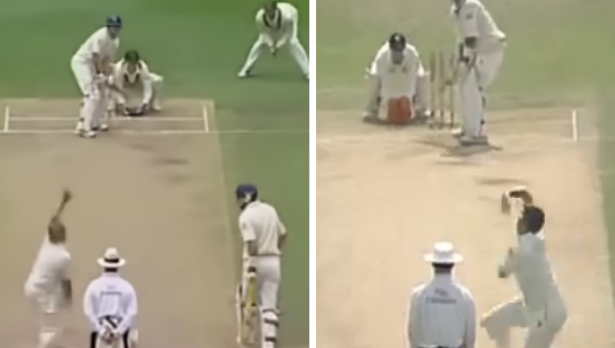
Typically, left-arm bowlers bowling to the right-hand batters from over the wicket or vice versa suffer the most from this ruling. If they want the LBW rule to go in their favor, they will need the ball to pitch ideally in line with the stumps and hope that the ball does not drastically deviate sideways. The ball can, however, pitch outside the line of off stump, but it will have to move back in considerably, thus planting a seed of doubt in the umpire’s mind. But the moment the ball marginally pitches outside leg, the LBW appeal becomes invalid even if the ball would have gone on to crash into the stumps.
So, can you be out LBW if the ball pitches outside the leg stump? We hope this article dispels all the false notions regarding the LBW law and articulately addresses the true reason behind why a batter can’t be adjudged LBW when the ball pitches outside leg.