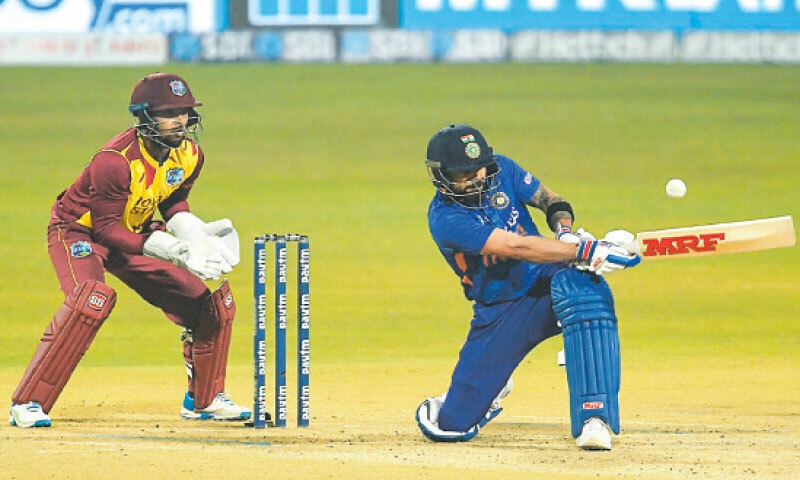
The sweep shot in cricket is a cross-batted stroke played by kneeling or bending low to hit the cricket ball along the ground on the leg side, usually against spin bowling. In simple terms, the sweep shot meaning revolves around controlling deliveries that pitch on a good length or outside off stump and redirecting them into gaps. Batters use the sweep to disrupt a spinner’s rhythm, rotate strike, and access scoring areas that are otherwise hard to reach with straight-bat shots.
One of the biggest advantages of the sweep shot in cricket is its effectiveness against spinners. By getting low and across, a batter can negate turn and bounce, reducing the chances of getting beaten in flight. It also forces field changes, opening up gaps for easy singles and boundary options. When executed with the right sweep shot technique, it becomes a safe and high-percentage scoring option, especially on turning tracks. Additionally, variations like the slog sweep shot and the reverse sweep shot allow batters to be more aggressive and unpredictable.
Types of sweep shots:
- Conventional sweep
- Paddle sweep
- Slog sweep
- Reverse sweep (a.k.a switch-hit in some instances)
Mastering these variations requires practice, balance, and good timing. In this guide, we will teach you how to play a wide range of sweep shots, including the conventional sweep, paddle sweep, slog sweep shot, and reverse sweep shot. We will also share simple and effective sweep shot drills that you can practice regularly to improve control, timing, and consistency, helping you build confidence and become a more complete batter against spin.
Table of Contents
Types of Sweep Shots in Cricket
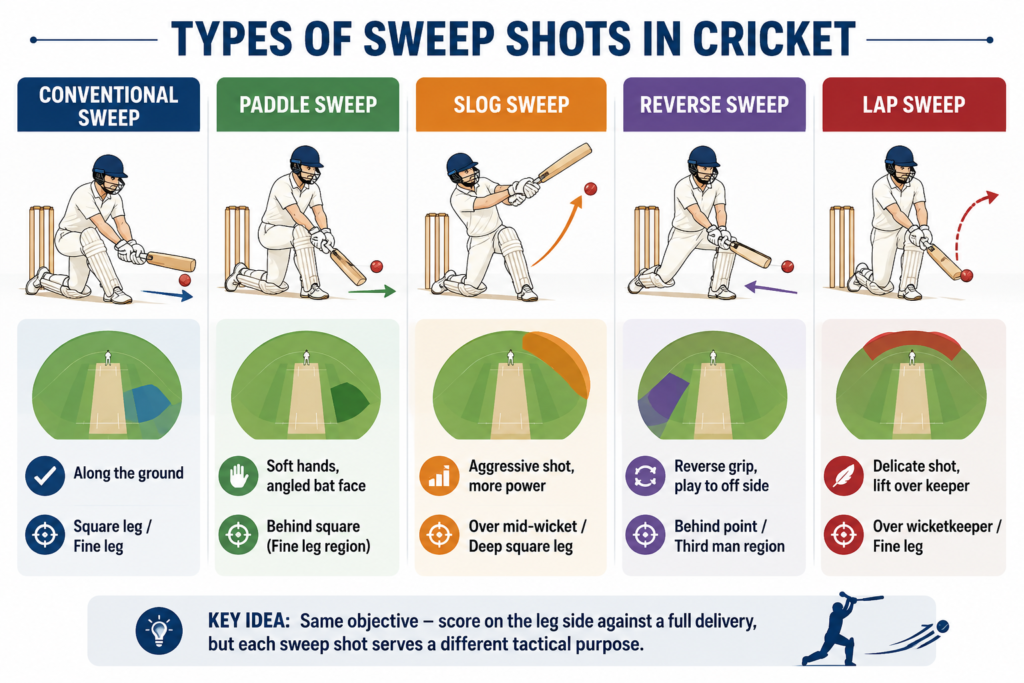
The types of sweep shots in cricket have evolved significantly over the years as batters continue to develop innovative scoring options against spin bowling. While the basic objective remains the same—to score on the leg side against a full delivery—each variation serves a different tactical purpose.
Conventional Sweep
The conventional sweep is the most widely used version. The batter drops onto one knee and swings the bat horizontally to keep the ball along the ground through square leg or fine leg.
Paddle Sweep
The paddle sweep uses soft hands and an angled bat face to glance the ball behind square. It focuses on placement rather than power and is particularly effective against defensive fields.
Slog Sweep
The slog sweep is a much more attacking stroke where the batter attempts to clear the infield and score boundaries over mid-wicket or deep square leg.
Reverse Sweep
The reverse sweep requires the batter to reverse the grip and play the ball towards the off side. This variation is commonly used to counter packed leg-side fields and create scoring opportunities behind point.
Lap Sweep
The lap sweep is a delicate stroke where the batter intentionally helps the ball over the wicketkeeper or fine leg region. It is most commonly seen in T20 cricket when field restrictions create vacant areas behind the wicket.
Understanding the different types of sweep shots allows batters to choose the most suitable option depending on the bowler, field placement and match situation.
Paddle Sweep Shot in Cricket: Technique, Purpose and When to Play It
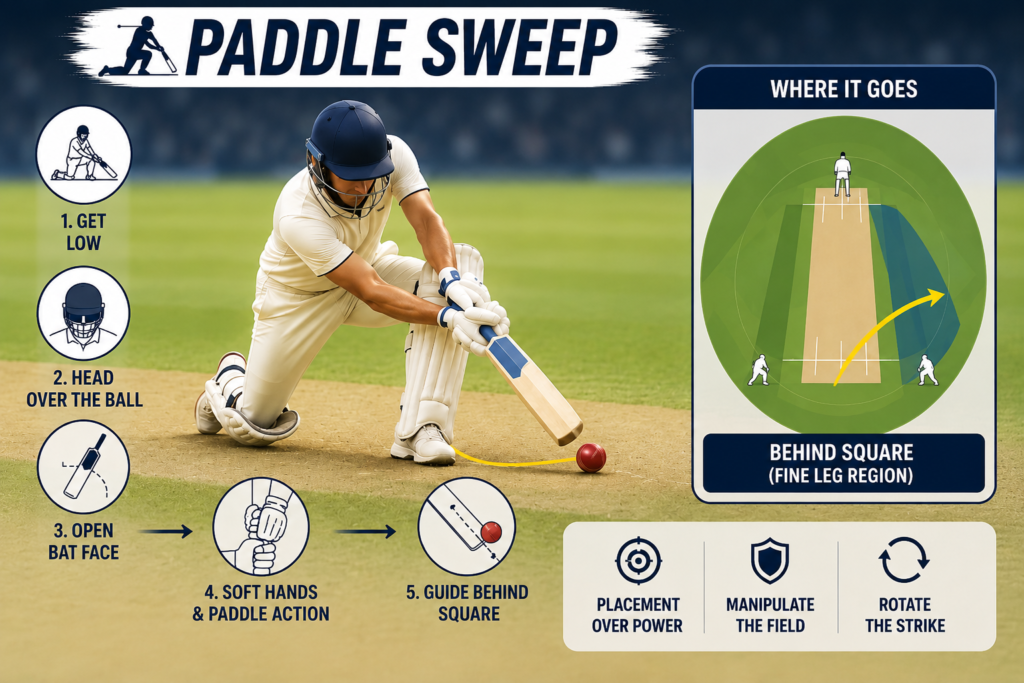
The paddle sweep shot in cricket is a variation of the conventional sweep played with softer hands and finer placement. Instead of trying to hit the ball square on the leg side, the batter deliberately angles the bat face to guide the delivery behind square towards fine leg or short fine leg. This stroke is particularly effective against spinners who bowl a full length with a conventional field.
The paddle sweep relies more on timing than power. A batter usually gets into position by bending the front knee, lowering their head towards the ball and keeping the bat face slightly open. Because the shot uses the pace of the delivery, even well-flighted balls can be deflected into gaps without taking unnecessary risks.
Unlike the traditional sweep shot, which is generally struck in front of square, the paddle sweep shot is designed to manipulate the field and rotate the strike. Modern batters frequently employ this stroke during the middle overs to disrupt a spinner’s rhythm and force field changes.
Some of the finest players of the paddle sweep in cricket include Joe Root, Kane Williamson and Jos Buttler, all of whom use the shot to great effect against both finger spin and wrist spin.
Conventional Sweep Shot: Step-by-Step Illustration
Your journey to playing your first sweep shot in cricket starts here. A conventional sweep is a traditional sweep shot, which is usually played along the ground. The conventional sweep shot is often regarded as one of the safest scoring options, requiring minimal risk.
Here is a step-by-step demonstration on how to play a conventional sweep shot in cricket:
Step 1: Reach With Your Bottom Hand First
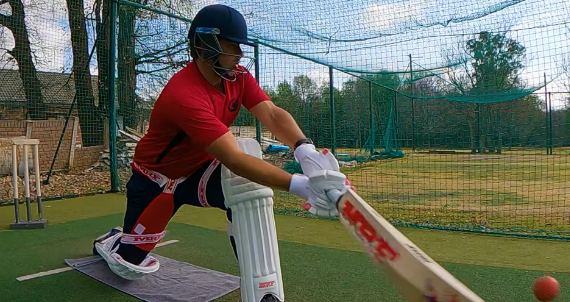
The conventional sweep shot in cricket is a cross-batted shot. Like any other cross-batted shot, your bottom hand (right hand for a righty and vice versa) plays a pivotal role in the shot selection process. As a batter, you must reach out with your bottom hand forward, far in front of your front pad, as shown above in the image. This fundamental sweep shot technique is rarely stressed, but it is crucial if you want to master your sweep shot skills.
Step 2: Swing From High To Low
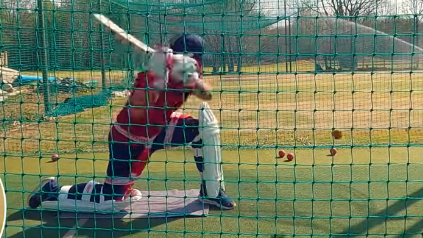
Another crucial element of your sweep shot technique is your bat swing. To play a conventional sweep shot in cricket, you will need to swing your bat from high to low. This allows you to get on top of the cricket ball, bolstering your overall control over the sweep shot in cricket. More importantly, it helps you keep the ball along the ground, thereby negating the risks of being caught on the leg side.
Step 3: Front Pad To The Side Of The Ball
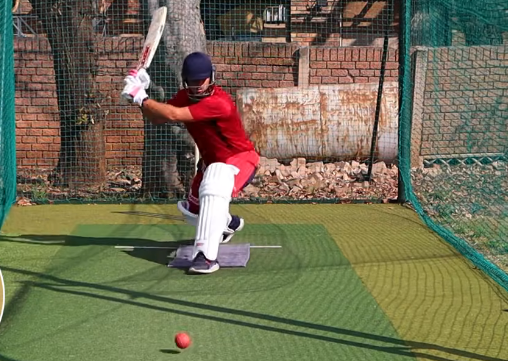
Once you get your hands in the right position, it’s time to line up your entire body with respect to the line of the ball. Ideally, you want to get your front pad almost in line with the ball, but not entirely in front of it, in an effort to minimize the LBW chances. Your front foot must be marginally to the side of the ball, which would then provide you the opportunity to access the cricket ball freely. Bend your front knee and get as low as possible to play the sweep shot in cricket.
Paddle Sweep Shot: Step-by-Step Illustration
The paddle sweep is a delicate variation of the sweep shot in cricket, played to fine leg or very fine on the leg side. Instead of hitting the cricket ball hard, the batter uses soft hands to guide or “paddle” the ball behind square. It is usually played by getting low, often on one knee, and angling the bat face to control direction. This shot is highly effective against spinners, especially when fielders are up in the circle, as it allows easy placement and strike rotation.
Here is a step-by-step demonstration on how to play a paddle sweep shot in cricket:
Step 1: Get Into Position Early
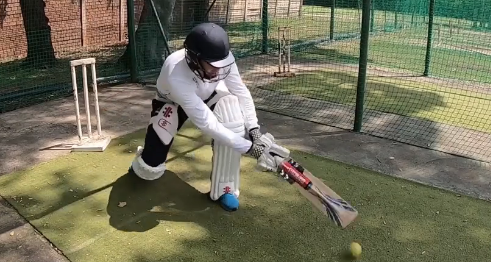
As the bowler releases the ball, move quickly into a sweep setup by getting low and across. Your front foot should go towards the line of the ball, while your back knee bends or drops for balance. This early movement is a key part of proper sweep shot technique, helping you stay stable and in control.
Step 2: Keep Your Head and Balance Steady
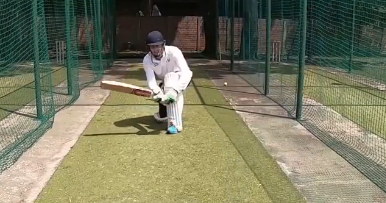
Your head should be over the front knee and aligned with the ball. Avoid falling over or leaning too far across, as this affects timing and control. A stable base ensures you can guide the ball rather than forcing the shot, which is crucial for executing the sweep shot in cricket effectively.
Step 3: Use Soft Hands to Guide the Ball
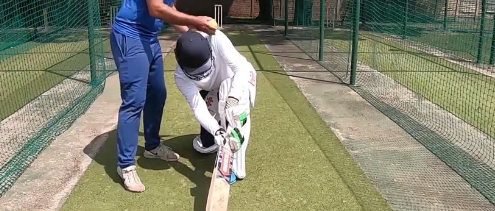
Unlike a powerful sweep, the paddle sweep is more about finesse. Let the cricket ball come to you and use soft hands to “deflect” it fine towards the leg side. The bat face should be slightly open, allowing you to use the bowler’s pace instead of generating your own power.
Step 4: Aim Fine Behind Square
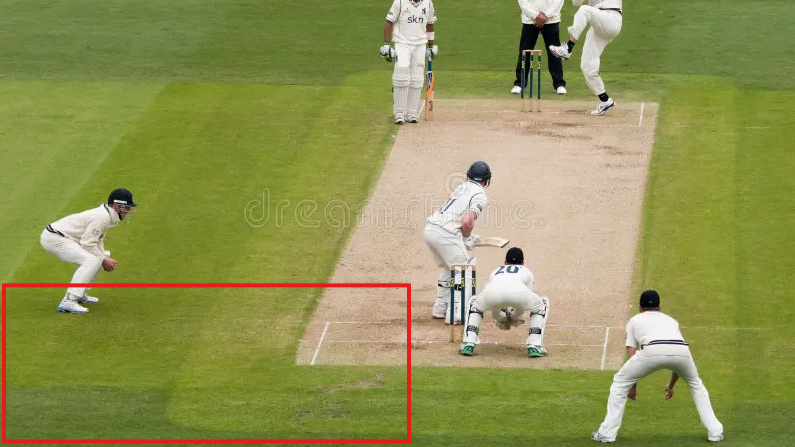
The key scoring area for the paddle sweep is behind square on the leg side, often towards fine leg. Focus on placement rather than power—this shot is designed to find gaps and rotate strike. Good direction and timing matter more than force, especially in modern sweep shot in cricket variations.
Slog Sweep Shot in Cricket: How It Differs from the Conventional Sweep
The slog sweep shot in cricket is an aggressive variation of the traditional sweep that aims to clear the boundary rather than simply find a gap. While both shots share similar footwork, the slog sweep involves a much faster bat swing and greater body rotation to generate maximum power.
When attempting a slog sweep, the batter usually gets underneath the ball by planting the front knee and extending the arms through the line of the delivery. Instead of keeping the shot along the ground, the objective is to hit over mid-wicket or deep square leg, making it a popular scoring option during the final overs of an innings.
However, the slog sweep also carries greater risk. Misjudging the bounce or line of the delivery can result in top edges, mistimed shots, or even LBW dismissals against straighter deliveries. For this reason, coaches often recommend mastering the conventional sweep before attempting the more attacking slog sweep.
The slog sweep is an aggressive variation of the sweep shot in cricket, designed to clear the infield and score boundaries. Unlike the conventional or paddle sweep, which focuses on placement and control, the slog sweep is all about power and elevation, often aiming over mid-wicket or square leg. It is typically played against spinners and is used when batters want to dominate and increase the scoring rate quickly.
Here is a step-by-step demonstration on how to play a slog sweep shot in cricket:
Step 1: Clear Your Front Leg and Create Space
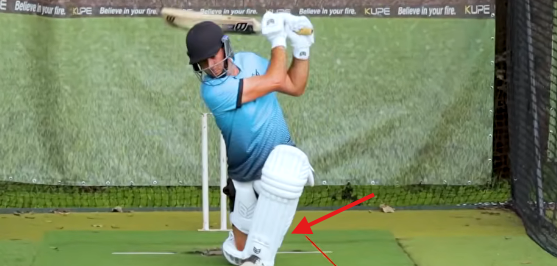
Unlike a conventional sweep, you need room for a full swing. Move your front leg slightly across or out of the way to “clear the path” for the bat. This allows a free, powerful arc and ensures you can generate maximum bat speed through the shot.
Step 2: Keep Your Head Over the Ball
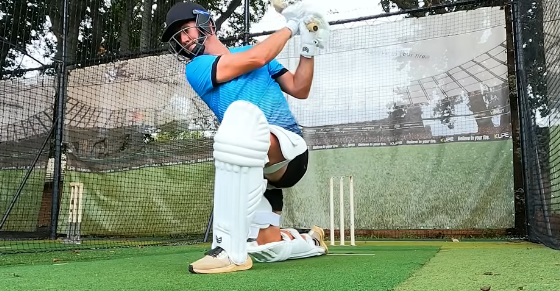
Your head position is critical—keep it forward and over your front knee to stay balanced. Watching the ball closely until impact helps improve timing and reduce mishits. A strong head position is a key foundation for executing any sweep shot in cricket, especially aggressive ones like this.
Step 3: Swing with a Low-to-High Bat Path
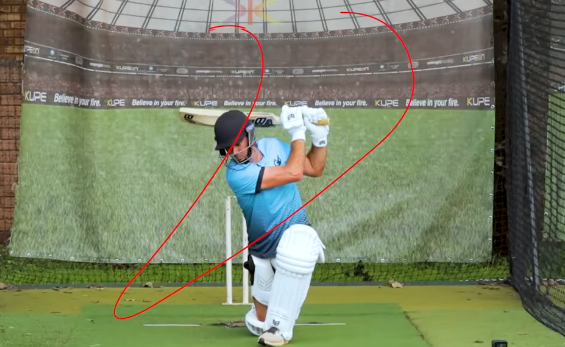
To generate elevation, your bat should swing from low to high rather than across the line. Extend your arms fully and commit to the shot, aiming to hit through the line of the ball. This upward swing helps you clear the infield and target boundaries effectively.
Step 4: Follow Through with Control and Commitment
Once you decide to play the slog sweep, commit fully—half-hearted shots often lead to dismissals. Complete a full follow-through with a smooth swing, maintaining balance after contact. While power is important, avoid over-hitting, as it can disrupt your shape and timing.
Reverse Sweep Shot: Step-by-Step Illustration
The reverse sweep shot in cricket is an innovative and unorthodox stroke where the batter switches the bat angle to hit the cricket ball behind square on the off side instead of the leg side. It is considered an aggressive option because it disrupts a bowler’s line and field placement, turning defensive deliveries into scoring opportunities. This shot demands confidence and precision, making it a modern weapon in limited-overs cricket.
Here is a step-by-step demonstration on how to play a reverse sweep shot in cricket:
Step 1: Read the Line and Commit Early
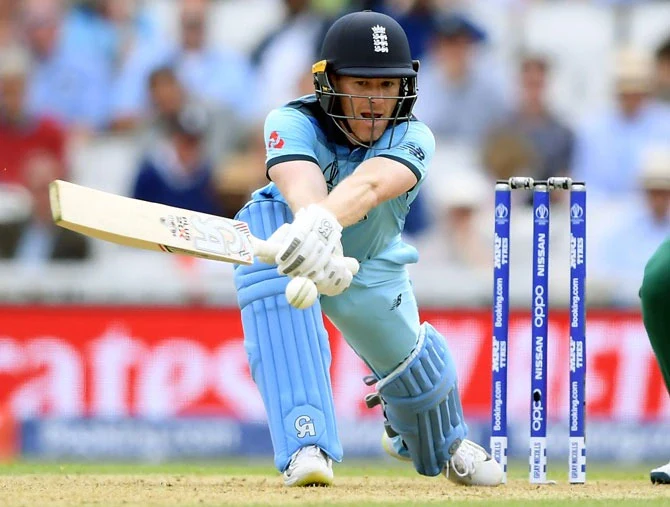
Before attempting the shot, pick the line and length of the ball early—this shot works best against spin or slower deliveries outside off stump. Unlike traditional shots, the reverse sweep often requires premeditation, so make your decision before the ball is released. Early commitment is a key part of mastering the reverse sweep shot technique for this variation.
Step 2: Change Your Grip Smoothly
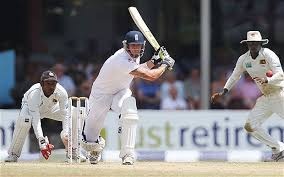
As the bowler approaches, subtly adjust your grip by rotating your hands so the bat face opens towards the off side. This grip change should feel natural and controlled, not rushed at the last moment. Practicing this movement is essential to executing the reverse sweep shot in cricket effectively.
Step 3: Get Low and Align Your Body
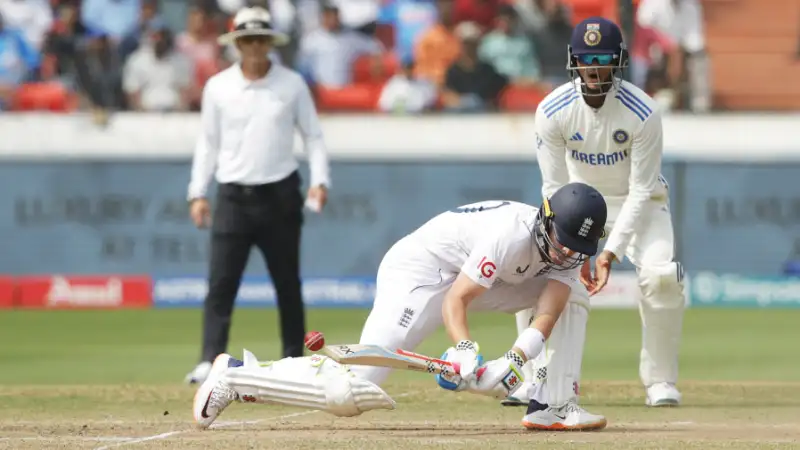
Move your front foot towards the pitch of the ball and bend both knees to get low. Your head should be positioned over your front knee to maintain balance and control. This low, stable base helps you make clean contact and is a fundamental part of good sweep shot technique.
Step 4: Swing Across Towards the Off Side (Shot Completion)
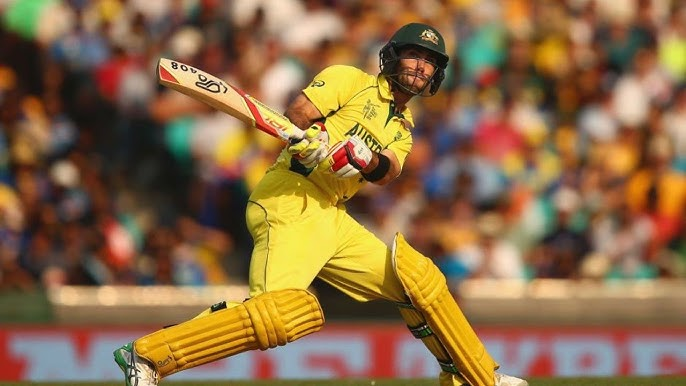
Bring the bat across your body from leg side to off side in a sweeping motion. Focus on timing rather than power, and aim to keep the ball along the ground. A controlled swing ensures better placement and reduces the risk of getting caught.
Sweep Shot Drills To Practice
Drill 1: Drop The Ball Sweep Shot Drill
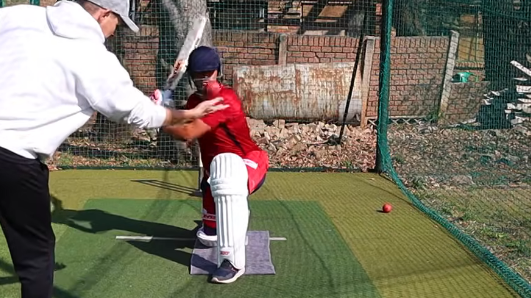
Have your back leg bent as shown in this image, and have your partner drop the ball from a reasonable height. As soon as the ball lands, try to make contact with the ball and play the sweep.
Drill 2: Underarm Sweep Shot Drill
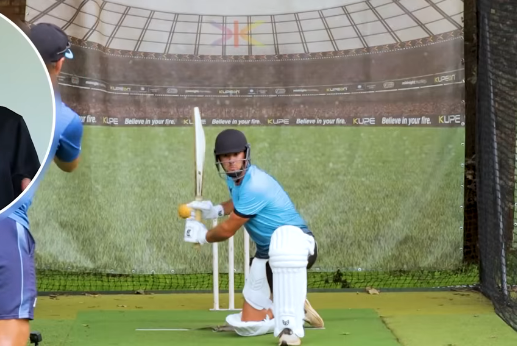
This sweep shot drill is an extension of the earlier drill. But instead of your partner dropping the ball from above, we have your partner do some underarm throwdowns from a few yards. Focus on clearing your front leg and swinging through the line, an ideal drill for those aiming to play the slog sweep shot in cricket.
Drill 3: Stationary Cone Shot Drill
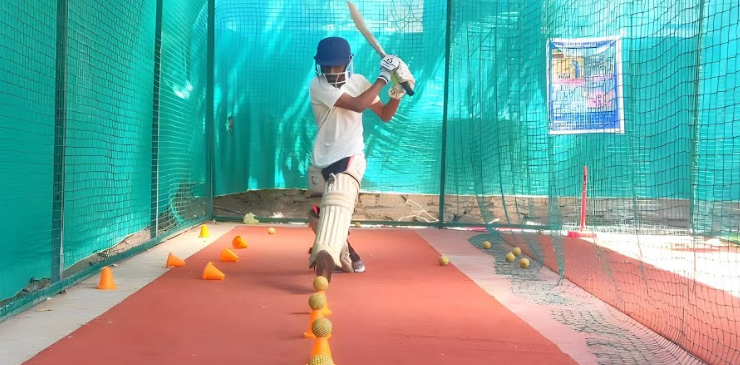
This is a simple yet highly effective way to improve your sweep shot technique by removing movement and focusing purely on control and contact. Place a cone on the pitch at a good length—around where a spinner would typically land the ball. The batter starts in a stationary position, already set in their stance with no trigger movement. A partner or coach underarms the ball so it lands near the cone.
Sweep Shot In Cricket: Common Pitfalls To Avoid
Here are 5 common pitfalls while playing the sweep shot in cricket:
❌ Poor head position: Lifting your head too early or not keeping it over the ball leads to mistimed shots and top edges.
❌ Incorrect footwork: Failing to get across or not bending the front knee properly reduces control and balance.
❌ Pre-meditating the shot: Deciding to sweep too early makes you vulnerable to variations like quicker balls or changes in length.
❌ Wrong line judgment: Attempting to sweep balls that are too straight (risk of LBW) or too wide can result in dismissals.
❌ Lack of control in shot execution: Swinging too hard without proper technique—especially in the slog sweep shot—often leads to mistimed hits or catches.
Final Thoughts: Mastering the Sweep Shot in Cricket
Mastering the sweep shot in cricket comes down to understanding when and how to use each variation effectively. The conventional sweep is ideal for control and strike rotation, while the paddle sweep helps fine-tune placement against defensive fields. For aggressive intent, the slog sweep shot allows batters to target boundaries, and the reverse sweep shot adds unpredictability, especially in modern formats. Each of these requires a solid foundation in sweep shot technique, including proper head position, balance, and shot selection.
However, technique alone isn’t enough. Consistent practice through well-designed sweep shot drills is what truly helps players gain confidence and execution under pressure. Drills focusing on footwork, line judgment, and timing can significantly improve your ability to handle different types of spin.
More on Cricket Batting Coaching Tips
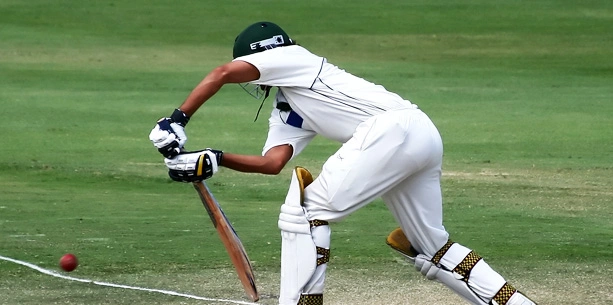
Front Foot Defence Technique in Cricket: Step-by-Step Guide With Pro Tips
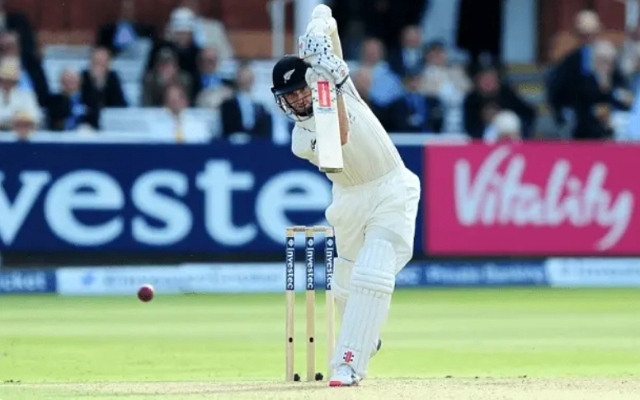
How to Play the Front Foot Drive in Cricket (Beginner’s Step-by-Step Guide)
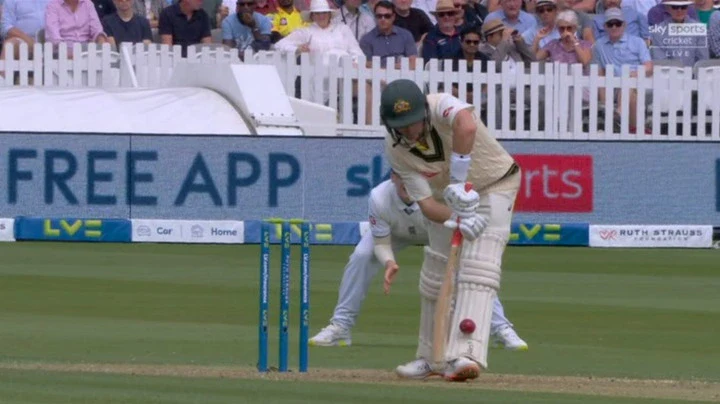
How to Avoid LBW in Cricket: 5 Simple Tips That Actually Work
Found Our Cricket Coaching Guide Insightful?
With the right equipment, access to top experts, and the resources to grow, Cricvision can go the extra mile! If you’d like to be part of this journey, visit our donation page. Every contribution counts and directly fuels our growth.
Donate Now