

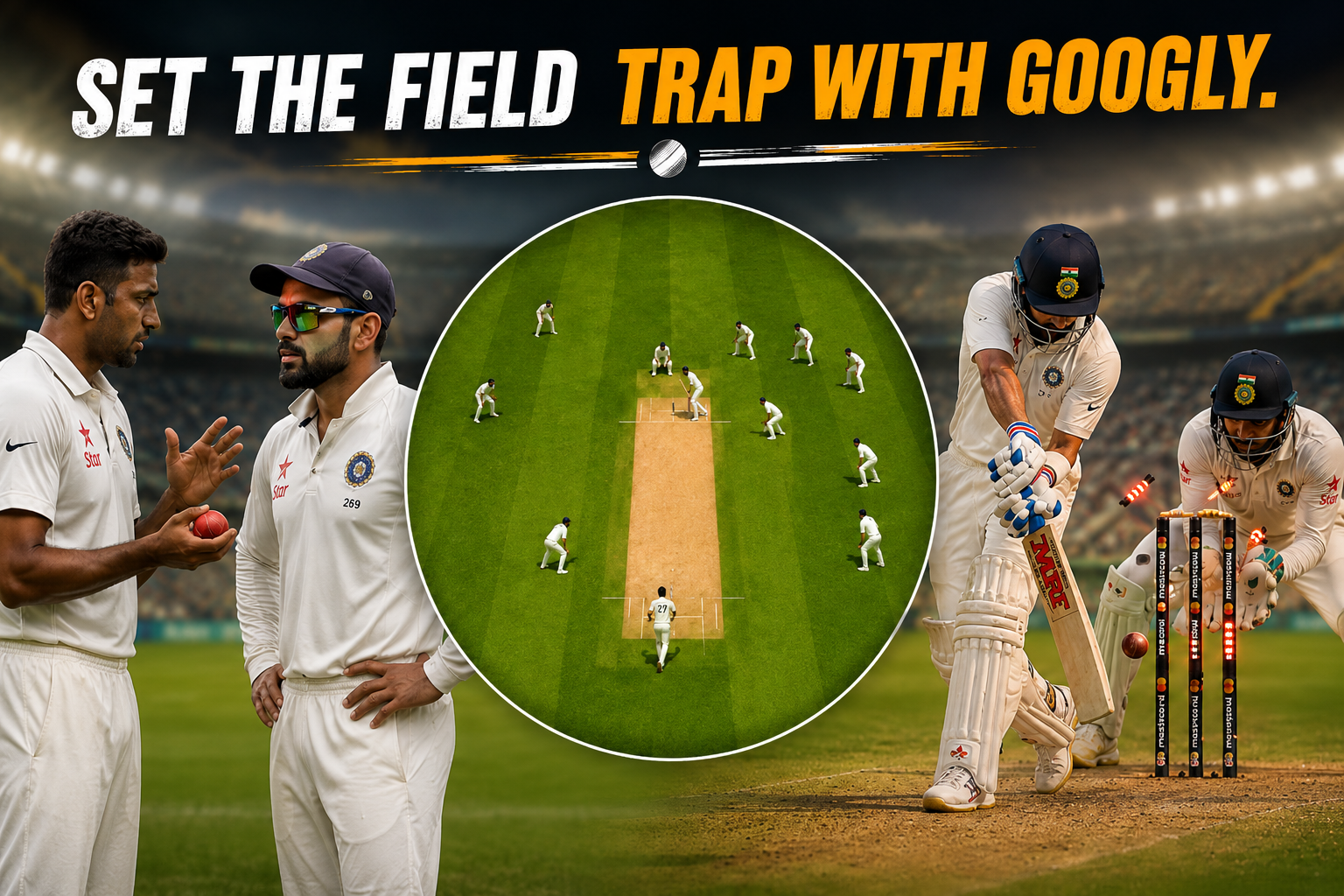
This guide is for setting a field when your bowler is bowling a googly, not for learning to bowl one. Below are the attacking, standard and defensive placements, plus what the captain and keeper should adjust between them. If you want to learn how to bowl the googly itself, our main googly guide covers grip, release and drills.
A googly in cricket is viewed as one of the most deceptive forms of spin bowling. Any front-line batter can endure difficulties and experience a hard time picking the googly ball, either through the air or off the surface. However, as a leg spinner, one needs to be highly versatile and adaptable these days to stay one step ahead of the batters. With flat pitches and shorter boundaries on offer, you can’t always rely on the surface to do the trick for you.
This is where cricket fielding positions play a key role in ensuring that you get the most out of your googly bowling. The success of a googly in cricket is not merely about trapping the batter LBW or bowling them through the gate. You need to have the right fielders in the right places to open up multiple modes of dismissals. Given the fast-paced nature of the game, batters, in an attempt to counter the googly in cricket, inevitably run into the risk of either miscuing their cricket strokes or playing false shots, thus bringing several cricket fielding positions into play.
In this guide, we will explore all fielding positions in cricket that a googly specialist bowler has at their disposal and highlight the major cricket fielding position names that you need to bear in mind to ensure that you reap the maximum reward for your googly bowling.
Attacking Field Placement For A Googly In Cricket
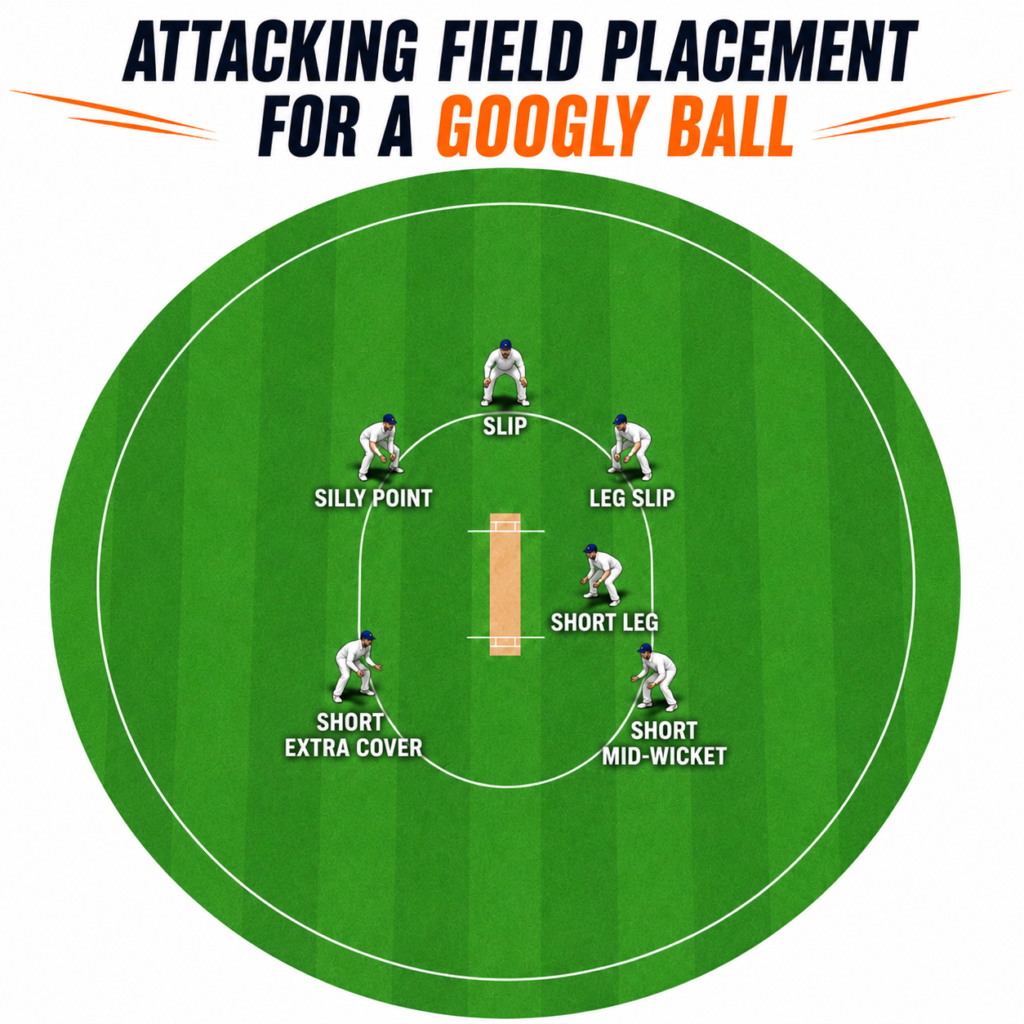
A leg spinner’s first instinct would be to go on the offensive. In other words, having an attacking cricket fielding position is usually the way forward. This prevents the batters from settling down early doors.
An attacking cricket fielding position for googly bowling looks somewhat like the fielding positions chart highlighted above. As you can see, an attacking fielding placement for a googly in cricket comprises more fielders around the batter inside the 30-yard circle. Due to the proximity, fielders standing close to the batter are better able to take sharp reflexive catches.
Let’s walk you through all fielding positions in cricket, which enable the spinner to attack at full throttle.
Slip: Position a slip to catch outside edges when a batter misreads the googly ball and plays against the turn, making it one of the most attacking cricket fielding positions.
Leg Slip: A leg slip is effective against batters who glance or fend awkwardly after failing to read the googly in cricket, creating valuable catching opportunities.
Short Leg: Short leg is one of the best cricket fielding position names to use against googly bowling, as it targets bat-pad chances when the ball turns sharply into the batter.
Silly Point: Place a silly point close to the batter to catch defensive pops and bat-pad deflections caused by a well-disguised googly ball in cricket.
Short Mid-Wicket: A short mid-wicket is ideal for intercepting leading edges and mistimed flicks when the batter is deceived by the turn of the googly in cricket.
Short Extra Cover: Position short extra cover to catch mistimed drives and aerial pushes when the batter commits early against googly bowling, making it one of the smartest attacking cricket fielding positions.
Standard Field Placement For A Googly In Cricket
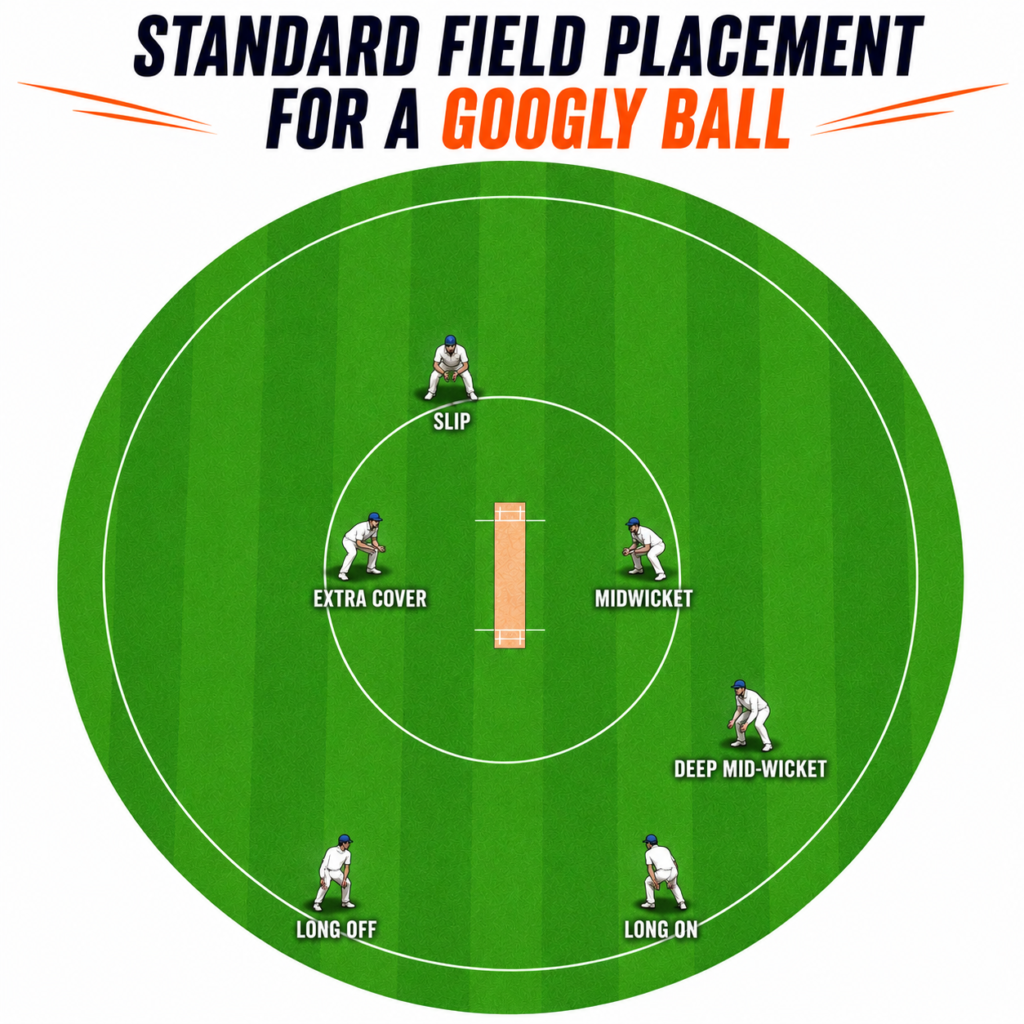
A standard field placement for googly bowling is commonly seen in white-ball cricket, particularly in ODIs and T20s, where bowlers must balance wicket-taking intent with boundary protection. This setup gives the bowler attacking catching options while ensuring enough protection if the batter successfully picks the googly ball.
Typically, three fielders are positioned on the boundary, while a few stay inside the 30-yard circle. Here is a rundown of all fielding positions required to maintain a standard field setup for googly bowling.
Deep Mid-Wicket: A deep mid-wicket protects the boundary when a slightly short googly ball is pulled or slogged, making it a key defensive option in white-ball cricket.
Long-On: Long-on is positioned to stop lofted straight drives and powerful hits over the bowler’s head when facing googly bowling.
Long-Off: A long-off fielder provides protection against inside-out drives and aerial shots, making it one of the most important cricket fielding positions in a standard white-ball setup.
Slip: A slip remains in place to catch outside edges when the batter plays for the leg break but is beaten by the turn of the googly ball in cricket.
Short Extra Cover: Short extra cover is ideally placed to catch mistimed drives and leading edges, giving bowlers an attacking option without sacrificing defensive balance.
Short Mid-Wicket: A short mid-wicket waits for miscued flicks and leading edges when batters fail to read the googly grip or googly wrist position, making it one of the most effective cricket fielding position names in this field setting.
Defensive Field Placement For A Googly In Cricket
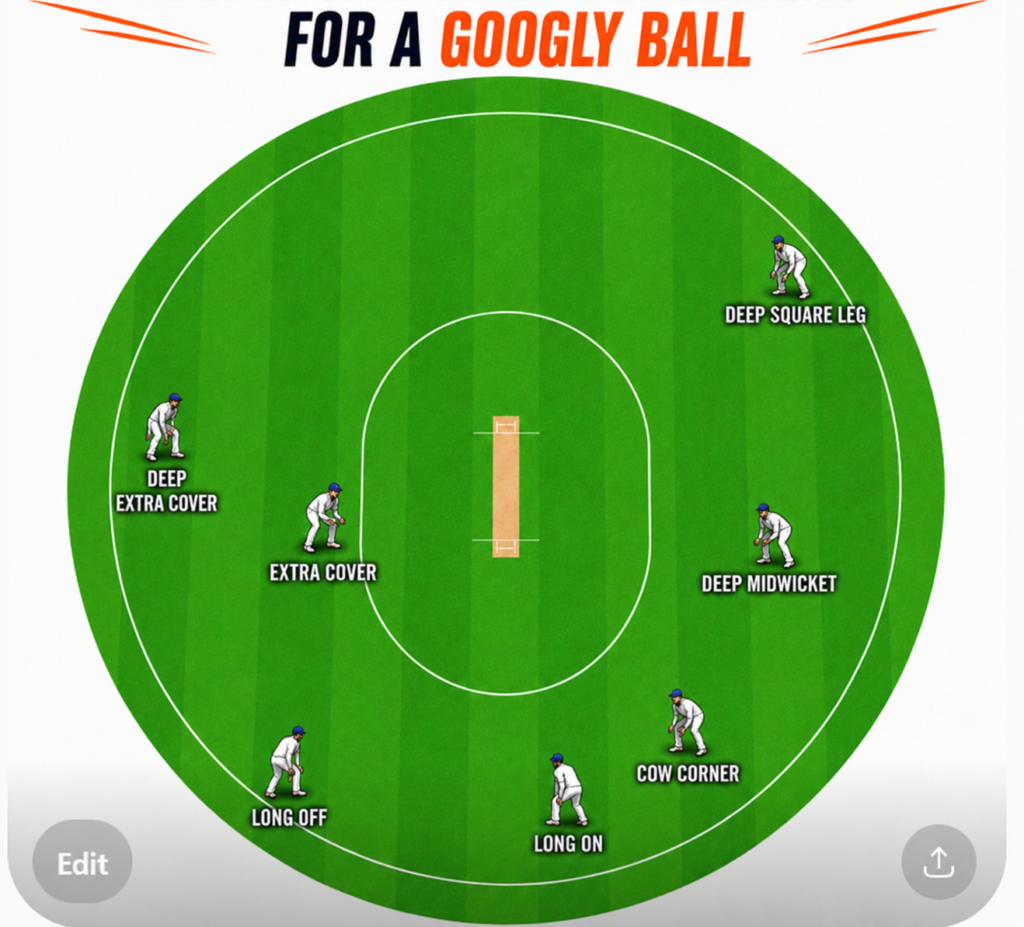
A defensive field placement for a googly in cricket is often employed when the pitch offers very little assistance to the spinner or when the batter has settled in and is looking to attack. Rather than relying solely on close-catching opportunities, the captain spreads the field to restrict boundaries and force the batter into taking greater risks. This strategy is particularly common during the middle and death overs of white-ball cricket, where containing runs can be just as valuable as taking wickets.
In this setup, the slip is usually removed and replaced with an additional boundary rider, while short extra cover and short mid-wicket are pushed back to the edge of the circle. Here is a quick snapshot of all fielding positions pertaining to a defensive field setup for googly bowling.
Long-Off: A long-off fielder protects lofted straight drives, making it one of the most important cricket fielding positions when defending against aggressive batters.
Long-On: Long-on prevents powerful hits straight down the ground and gives the bowler confidence to attack the stumps with googly bowling.
Deep Mid-Wicket: A deep mid-wicket guards the boundary against pull shots and slog sweeps if the googly ball in cricket is dragged slightly short.
Cow Corner: Positioning a fielder at cow corner helps intercept powerful slog shots and mistimed heaves, particularly against batters looking to dominate spin.
Deep Square Leg: A deep square leg offers valuable protection against sweeps, pulls, and top edges, making it one of the most effective cricket fielding positions in a defensive setup.
Extra Cover (Inside/outside the circle): Instead of standing close, extra cover is moved to the edge of the circle to cut off driven singles and prevent easy rotation of strike. But you can take the man further back near the ropes in case you want the batter to chase a wide googly ball.
Captain and Wicketkeeper’s Role in Setting the Perfect Field for a Googly
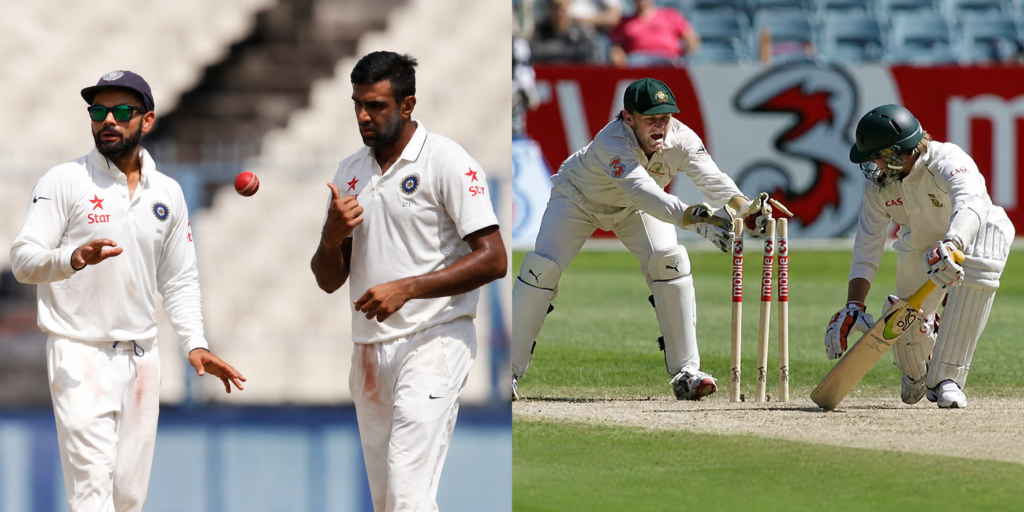
A successful googly ball is rarely the result of the bowler’s skill alone. The captain and wicketkeeper play equally important roles in setting the right cricket fielding positions and helping the spinner execute their plans. Before every delivery, they assess the batter’s strengths, the pitch conditions, and the match situation to ensure the field complements the googly bowling strategy.
The captain, who is often stationed at mid-off, has the best overall view of the field and can guide the bowler on line, length, and tactical adjustments. By repositioning fielders or selecting the right cricket fielding position names, the captain ensures every googly in cricket has the highest chance of creating a wicket or restricting runs. The wicketkeeper also plays a vital role, especially when standing up to the stumps. From behind the wicket, the keeper has an excellent view of the batter’s footwork, trigger movements, and shot selection, allowing them to provide valuable cues to the spinner. They can advise whether the batter is reading the googly ball in cricket, suggest subtle changes to the googly grip or googly wrist position, and recommend minor field adjustments after every delivery.
The constant communication between the bowler, captain, and wicketkeeper creates a well-coordinated unit, ensuring that all fielding positions in cricket work together to maximize the effectiveness of every googly ball.
Departing Thoughts on Setting Fielding Positions for a Googly in Cricket
Setting the right cricket fielding positions is just as important as bowling the perfect googly ball. A well-planned field allows the bowler to attack when conditions are favorable and defend smartly when the pitch offers little assistance. By understanding when to switch between aggressive and defensive setups, captains can maximize the effectiveness of googly bowling and create consistent wicket-taking opportunities.
For more practical cricket coaching tips, tactical field-setting guides, and batting and bowling tutorials, be sure to explore our cricket coaching section regularly. At CricVision, we’re committed to helping you master every aspect of the game through simple, actionable coaching resources.
Recommended Cricket Coaching Guides

What is a Googly Ball in Cricket & How To Bowl It: Grip & Release Fundamentals Explained
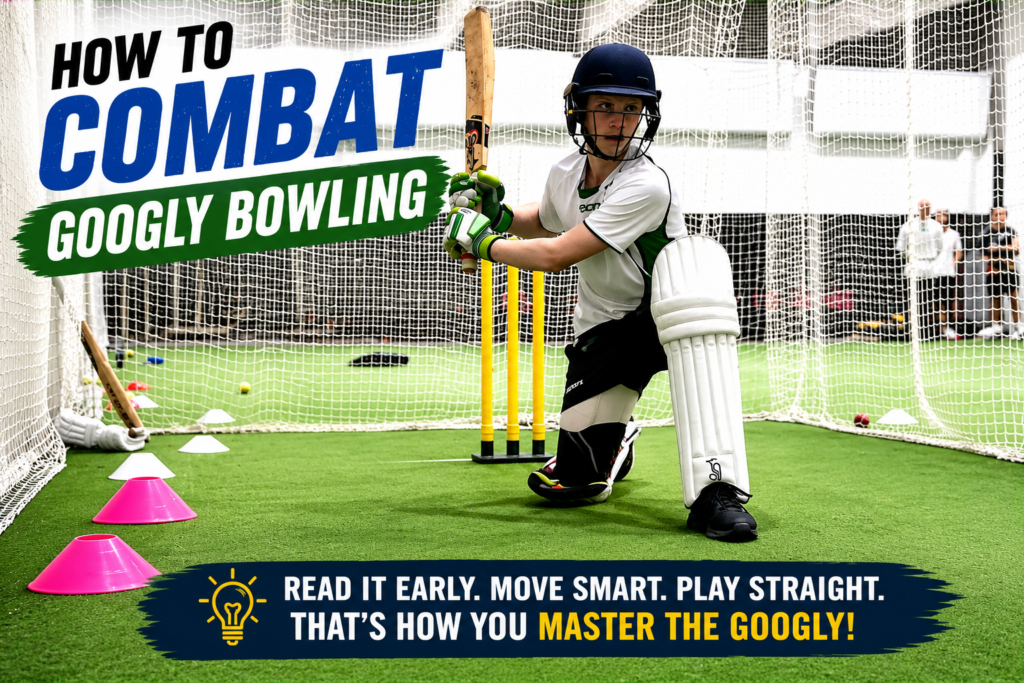
Cricket Batting Tips: How To Read A Googly Ball To Perfection
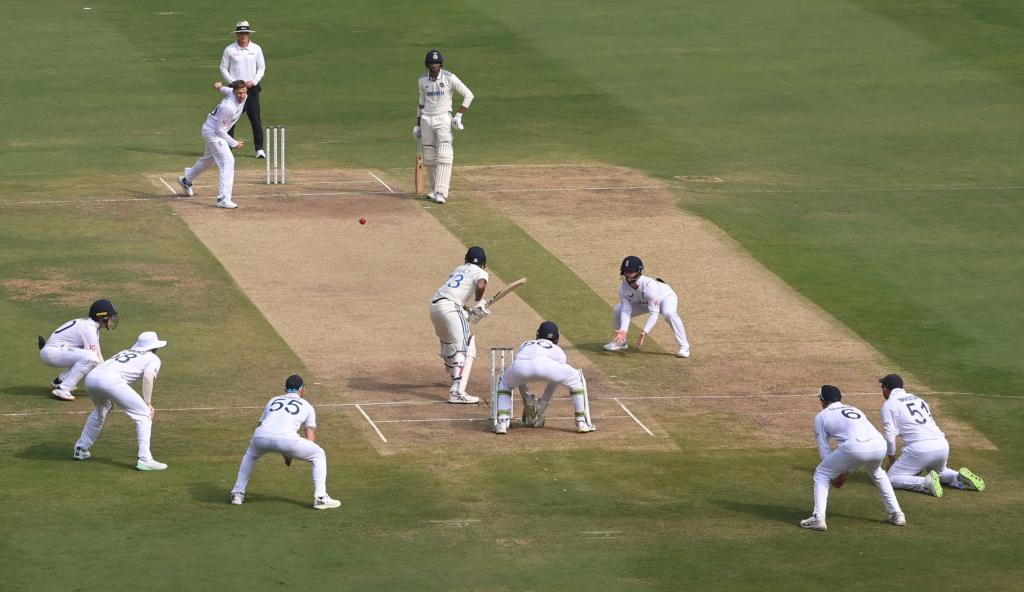
All Fielding Positions in Cricket: 11 Key Cricket Fielding Position Names Explained
Found Our Cricket Coaching Guide Insightful?
With the right equipment, access to top experts, and the resources to grow, Cricvision can go the extra mile! If you’d like to be part of this journey, visit our donation page. Every contribution counts and directly fuels our growth.
Donate Now


One response to “Key Cricket Fielding Positions To Consider For a Googly in Cricket”
[…] a field for a googly bowler? Our guide to fielding positions for a googly covers the attacking, standard and defensive […]