

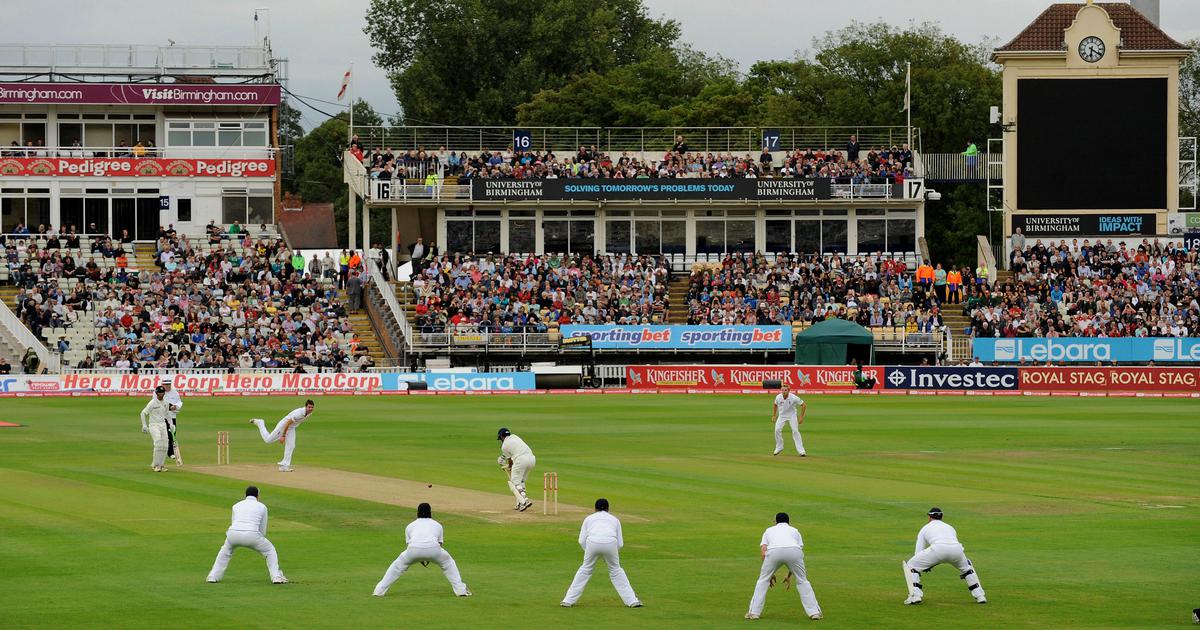
A cricket team fields 11 players. One is the wicket keeper who stands behind the stumps, and the other 10 fielders are placed across the off side and the leg side. The most common positions are slip, gully, point, cover and mid-off on the off side, and square leg, mid-wicket, mid-on and fine leg on the leg side. The exact layout changes with the bowler’s style, the batter’s strengths and the match situation.
Cricket fielding position names are an essential part of understanding how a team sets up on the field. Like soccer, hockey, rugby and other team sports, cricket has 11 players on the field when a team is bowling. However, these 11 fielders can be positioned in numerous areas around the cricket field, creating far more than just 11 fielding positions in cricket.
So, how many cricket fielding positions are there, and what are their names? Unlike sports such as soccer or rugby, cricket does not have a fixed set of 11 fielding positions. As the game evolved, different field positions gradually developed to help teams defend against different types of shots and bowling strategies.
Fielding positions in cricket were formally introduced at the start of the 18th century. But as the game evolved, so did the fielding position names in cricket. At present, there are around 30 to 35 uniquely named fielding positions in cricket, although only a selection of these are commonly used in a match. To make things easier to understand, we’ll begin with the 11-12 main fielding positions in cricket, before looking at additional positions and how they change depending on the batsman and game situation.
| Off-Side Fielding Positions | Leg-Side Fielding Positions |
| Slips | Leg Slip |
| Gully | Fine Leg |
| Point | Square Leg |
| Cover | Mid-wicket |
| Extra Cover | Cow Corner |
| Mid-off | Mid-on |
In this guide, we’ll explore all fielding positions in cricket, including the key cricket fielding position names and where each fielder is positioned on the ground. We’ll cover the 11 main fielding positions in cricket, along with additional positions used around the off side and leg side of the batsman, helping you understand the different cricket fielding names and their roles.
Cricket Fielding Positions Cheat Sheet
Every named position in the article, grouped by side and how deep the fielder stands. Full description of each position follows below.
| Position | Side | Zone |
|---|---|---|
| Slip cordon | Off | Close catcher |
| Gully | Off | Close catcher |
| Point | Off | Ring |
| Short third | Off | Ring |
| Cover | Off | Ring |
| Extra cover | Off | Ring |
| Mid-off | Off | Ring |
| Deep point | Off | Boundary |
| Deep cover | Off | Boundary |
| Deep third man | Off | Boundary |
| Leg slip | Leg | Close catcher |
| Short fine leg | Leg | Close/ring |
| Short leg | Leg | Close catcher |
| Square leg | Leg | Ring |
| Mid-wicket | Leg | Ring |
| Mid-on | Leg | Ring |
| Backward square leg | Leg | Ring |
| Deep fine leg | Leg | Boundary |
| Deep square leg | Leg | Boundary |
| Deep mid-wicket | Leg | Boundary |
| Cow corner | Leg | Boundary |
| Long-on | Leg | Boundary |
Table of Contents
Cricket Fielding Position Names: Understanding the Ground Layout For Right-Hand Batter
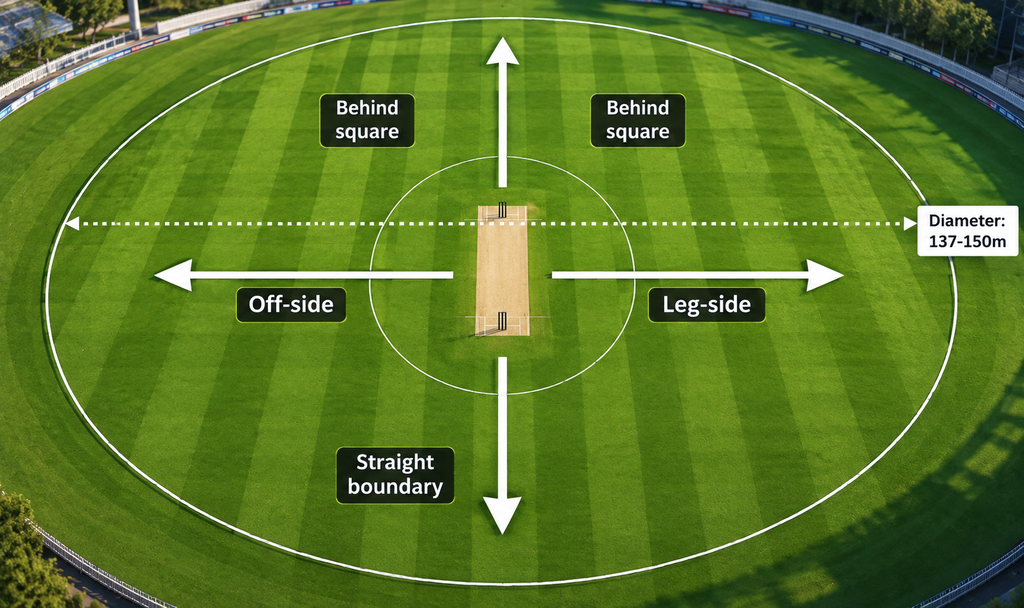
Before we explore the different cricket fielding position names, let’s first understand what a cricket field looks like and how its different areas are defined. A cricket ground is generally circular or oval-shaped rather than perfectly round, with the pitch positioned at the centre of the field.
As shown in the diagram above, the average diameter of a cricket ground ranges between 137 and 150 metres. Once a right-handed batter takes guard, the field is divided into two main sides: the off-side and leg-side. Understanding these areas is essential before learning the different fielding positions in cricket and where each fielder is positioned.
Quick rundown of the following terms before we dive further into all fielding position names:
- Off-side: For a right-handed batter, the off-side constitutes almost half of the field in front of a batter as they face the bowler, located on their right side. It’s often the zone away from the legs, generally considered the dominant side for shots like cover drive and cut.
- Leg-side: The leg side, or on-side, is the half of the cricket field behind a batter’s body, corresponding to their non-dominant hand. For a right-hander, the left side of the cricket pitch. Favourable shots in this zone are pull, slog-sweep, and the flick shot.
- Behind square: This is the zone which is situated behind the batter standing upright in his/her stance. This region covers the entire region of the cricket field behind a batter, stretching from off to leg. According to the no ball regulations, only two fielders can be placed behind square on the leg side of a right-handed batter.
- Straight: This region is situated beyond both ends of the pitch, occupying an imaginary straight path in the middle of the ground. Usually, it’s the keeper and the bowler who occupy this position on the cricket field.
Cricket Fielding Position Names For Right-Handed Batter: Exploring the Off-Side Fielding Positions
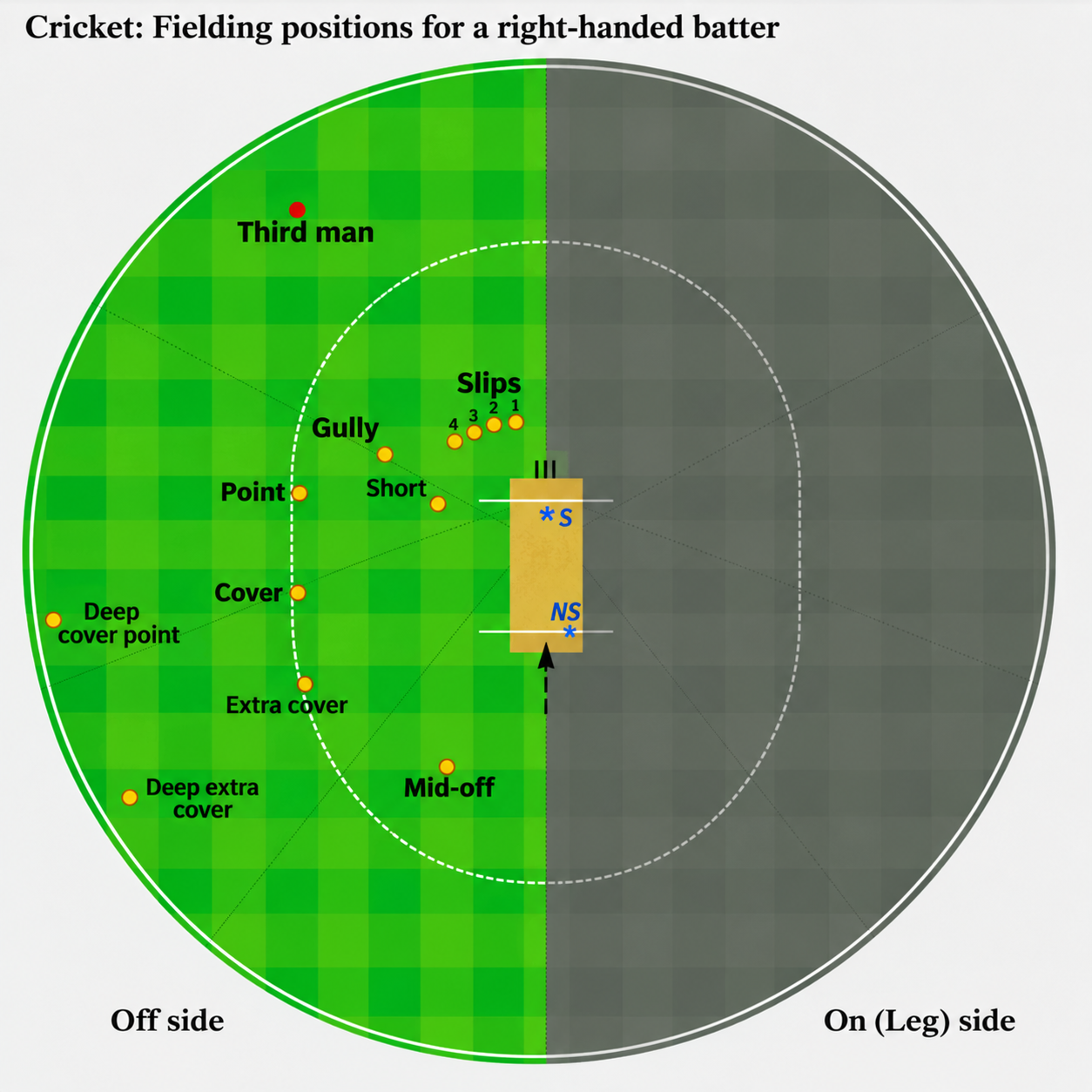
Now that we have familiarized ourselves with the off-side field layout, it’s time to get up to speed with off-side cricket fielding position names. All fielding positions in cricket on the off side are strategically placed to cut off runs and create catching opportunities.
The off-side cricket fielding positions name can be categorized under three main categories as listed below:
- Slip Cordon: The slip cordon is positioned behind the batter, next to the wicketkeeper, and on the off side. It’s a textbook test field position which is often viewed as a primary mode of attack from a bowling team’s perspective. Slip fielders are placed to catch edges from fast bowlers, making this one of the most important cricket fielding position names in cricket for dismissals. At present, the slip cordon can accommodate up to 3 fielders.
- Gully: Another high-traffic fielding position name under test fielding positions, is the gully. The gully is located slightly wider than the slip, but still behind square on the off side. Gully is ideal for catching thicker edges that don’t carry to the slips, forming an attacking component of cricket fielding positions.
- Point: The point is arguably an indispensable part of test fielding positions. The point region in cricket is considered one of the hottest cricket fielding position names. Positioned square of the wicket on the off side, usually inside the circle, the point fielder stops cut shots and square drives, playing a crucial role in saving runs.
- Short third: This position would just be behind where the slip cordon might be placed, but well and truly inside the inner ring.
- Cover: Placed on the off side and slightly in front of square, the cover is one of the most active types of cricket positions, responsible for stopping cover drives and quick singles.
- Extra cover: Located between cover and mid-off, the extra cover fielding position cuts off lofted drives and powerful shots, making it vital in both defensive and attacking setups.
- Mid-off: Positioned straight but slightly toward the off side, near the bowler. Mid-off is important for stopping straight drives and often plays a leadership role in organizing all fielding positions in cricket.
- Deep point: Placed near the boundary square on the off side. Deep point prevents boundaries from cut shots and square drives, especially in limited-overs formats.
- Deep cover: Located near the boundary in front of square on the off side. This position is used to stop powerful cover drives and reduce scoring opportunities.
- Deep third man: Positioned fine behind the batter on the off side boundary. The third man is crucial for stopping edges that fly past the slips, acting more as a safety net in modern cricket fielding positions.
Cricket Fielding Position Names For Right-Handed Batter: Exploring the Leg-Side Fielding Positions
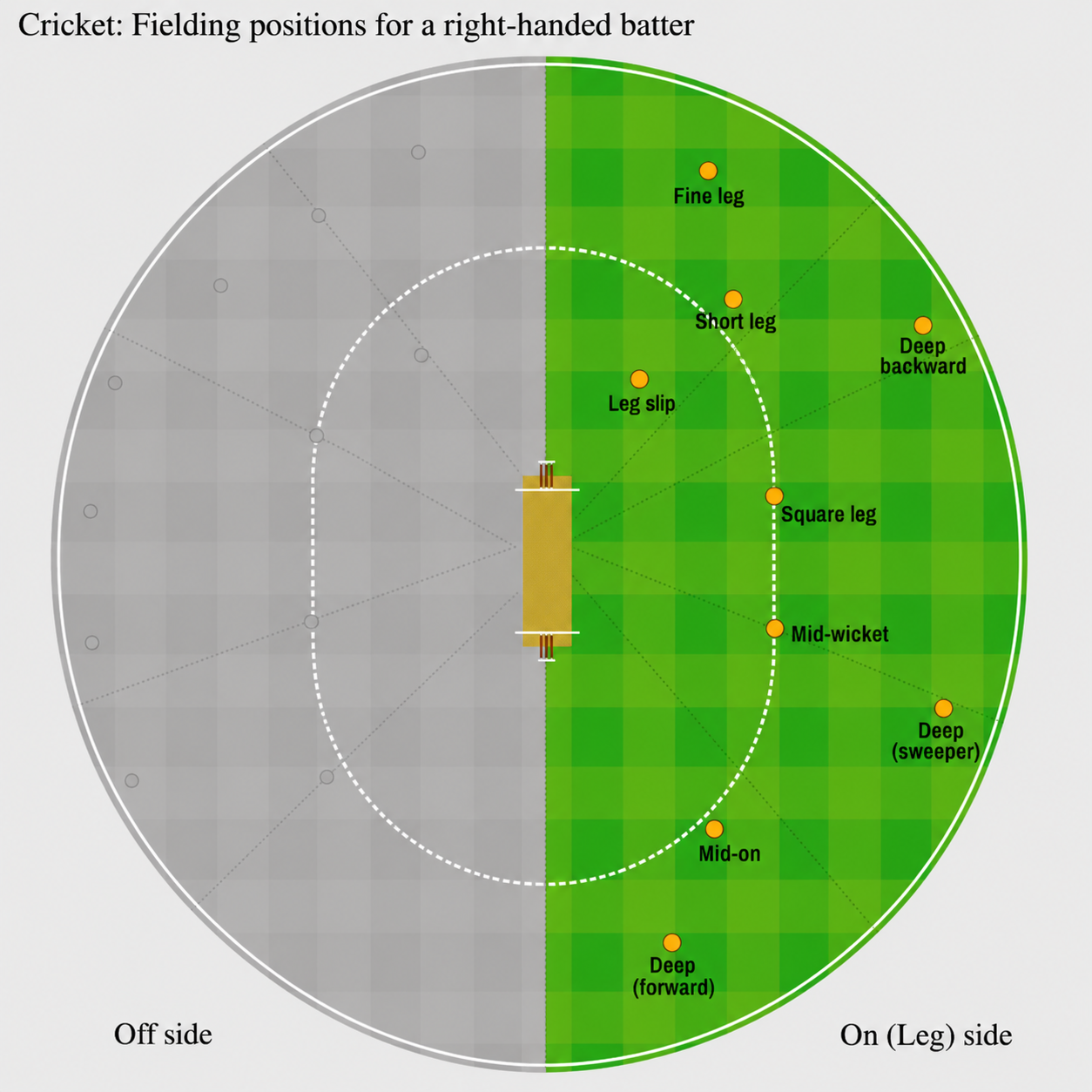
The total fielding positions in cricket on the leg side are crucial for controlling scoring areas where batters often play aggressive shots like flicks, pulls, and hooks. These field positions in cricket are typically deployed to prevent boundaries, especially a maximum over deep mid wicket.
The leg-side fielding positions in cricket can be categorized into three main categories as listed below:
- Leg slip: The leg slip is considered one of the classical forms of test fielding positions, primarily set for a spin bowler. Positioned behind the batter on the leg side, close to the wicketkeeper. Leg slip is used to catch faint edges or glances off the bat, making it a specialized but important cricket field position in cricket.
- Short fine leg: This field position in cricket was devised to block the flick shot and prevent batters from scoring runs. A typical short fine leg fielder is stationed behind square, on the batter’s leg side but within the inner ring at nearly 45 degrees.
- Short leg: Another fine example of test field position in cricket is the short leg. Might sound comical to some, but the short leg fielding position is placed very close to the batter on the leg side, usually in front of square. The fielders at the short leg fielding position are in place to catch deflections off the bat or pad, especially against spin bowling, making it one of the most dangerous yet impactful cricket fielding positions.
- Mid-wicket: Located on the leg side between square leg and mid-on. Mid-wicket is a key field position in cricket used to stop flicks and powerful on-side shots.
- Square leg: Positioned square of the wicket on the leg side. Square leg fielders play an important role in cutting off pull shots and quick singles, making it one of the most commonly used cricket positions.
- Mid-on: Placed straight and slightly toward the leg side, near the bowler. Mid-on helps stop straight drives and works closely with mid-off to control scoring areas, making it central to all fielding positions in cricket.
- Backward square leg: Placed inside the 30-yard circle, but between fine leg and square leg.
- Deep Fine Leg: Positioned behind square on the leg side, near the boundary. Fine leg is crucial for stopping glances, edges, and hook shots that travel fine, making it a defensive backbone in modern-day cricket fielding positions.
- Deep Square Leg: Located on the boundary square of the wicket on the leg side. This position is used to stop pull and hook shots, especially in limited-overs cricket.
- Deep Mid-Wicket: Positioned on the boundary between mid-wicket and long-on on the leg side. Deep mid-wicket is a key cricket fielding position name used to stop powerful slog shots and flicks, making it an important part of modern cricket fielding positions.
- Cow Corner: Located on the leg side boundary between deep mid-wicket and long-on, slightly wider than mid-wicket. Cow corner is one of the more aggressive fielding positions name in cricket, often targeted by batters for big hits, so fielders here are placed to prevent boundaries in an attacking leg side fielding setup in cricket.
- Long-on: Placed straight down the ground on the leg side boundary. Long-on is responsible for stopping lofted shots and big hits, making it a key position in both attacking and defensive field setups.
Cricket Fielding Position Names For Right-Handed Batter: Exploring the Straight Dimensions
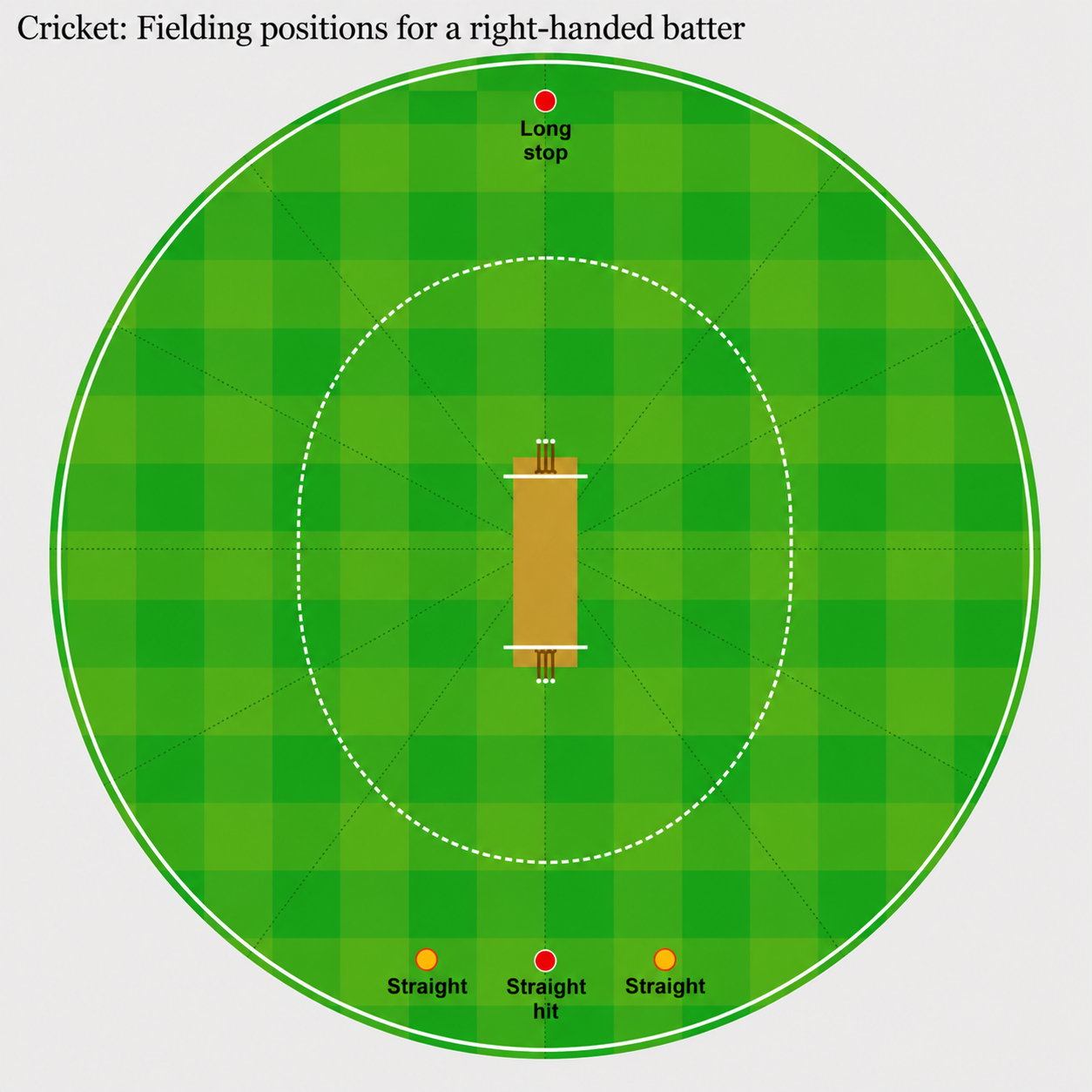
These types of cricket fielding positions are usually rare, but depending on the format and the game situation, the fielding team captain can opt to have fielders protecting the straight boundary dimensions. These typically include straight hit zones, which are primarily occupied by the keeper and the bowler. But the fielding captain can choose to add an extra fielder, just behind the bowler or the keeper, to limit a batter’s ability to score off straight drives.
Fielding positions in cricket such as long on, long off, deep fine leg, and deep third man are closely associated with straight cricket fielding positions.
Complete Cricket Fielding Positions Chart Revealed
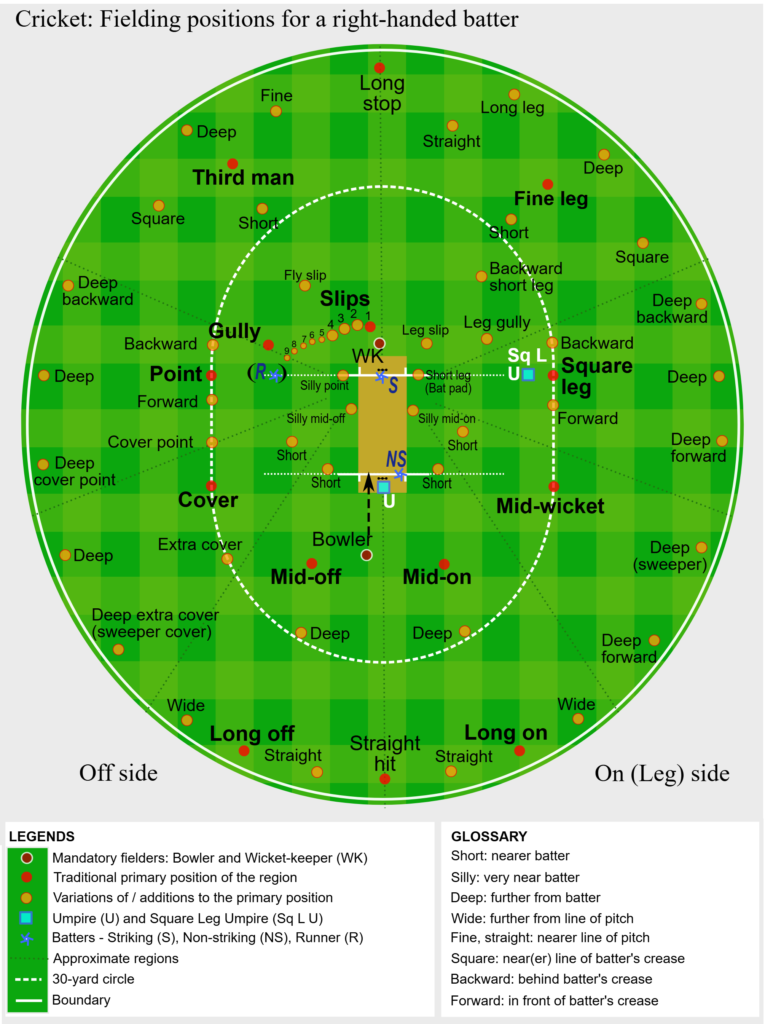
A cricket positions chart is one of the easiest ways to understand how the different fielding positions in cricket are arranged around the ground. Rather than memorising every cricket position name individually, a visual chart helps you connect each cricket fielding position name with its location relative to the batter and the pitch.
As you study the cricket positions chart, you’ll notice that the field is broadly divided according to the batter’s off-side, leg-side and straight regions. This makes it easier to understand common cricket fielding names and the difference between positions such as deep square leg, fine leg, cover and extra cover.
However, cricket fielding positions are not fixed throughout a match. The fielding captain can adjust the placement of fielders according to the format, bowler, batter, and match situation, while still working within the applicable fielding restrictions. In Test cricket, captains can often place more fielders close to the batter, particularly when attacking with pace or spin. In ODIs, the field is generally balanced between fielders inside and outside the 30-yard fielding restriction area, with restrictions changing across the innings. T20 cricket places even greater emphasis on boundary protection, particularly outside the Powerplay.
This variation between formats is one reason why there are far more than 11 fielding positions in cricket. Different bowling plans also call for different fielding position names. For example, fast bowling can involve positions such as slips, gully, third man and fine leg, while an off spin field setting may bring positions such as cover, slip, silly point and short leg—particularly in Test cricket, where close catchers can be used more aggressively.
So, the cricket positions chart above should be viewed as a guide to the main cricket field positions, rather than a single field that applies to every format or match situation.
Cricket Fielding Position Names: Hot Spots Where Action Happens The Most
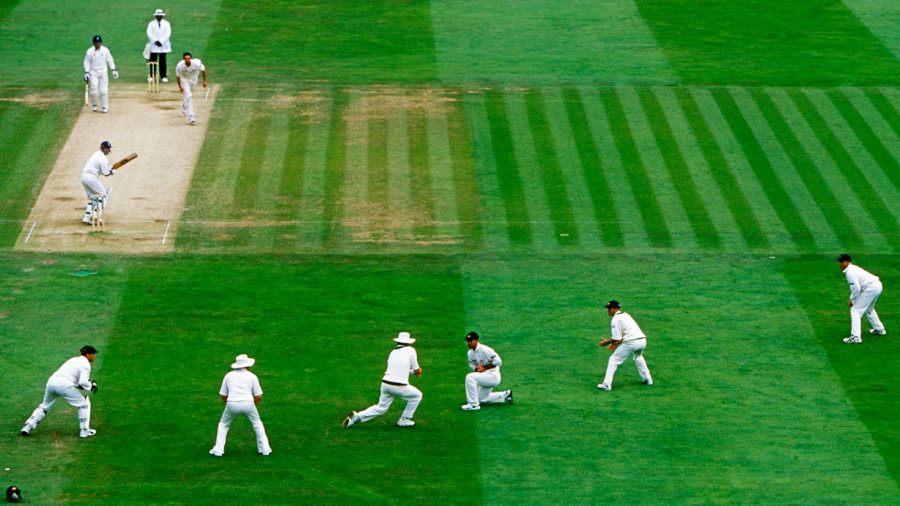
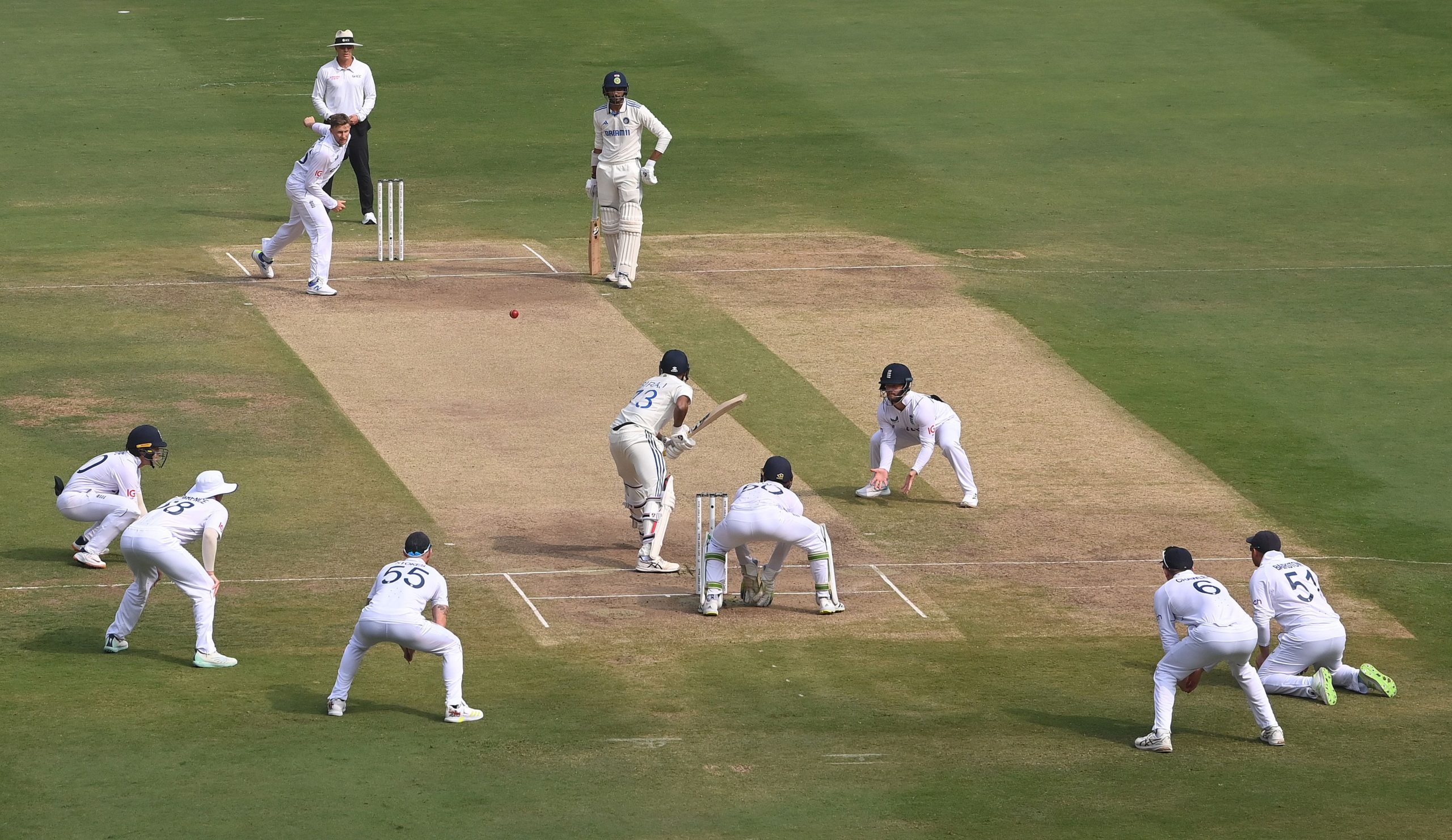
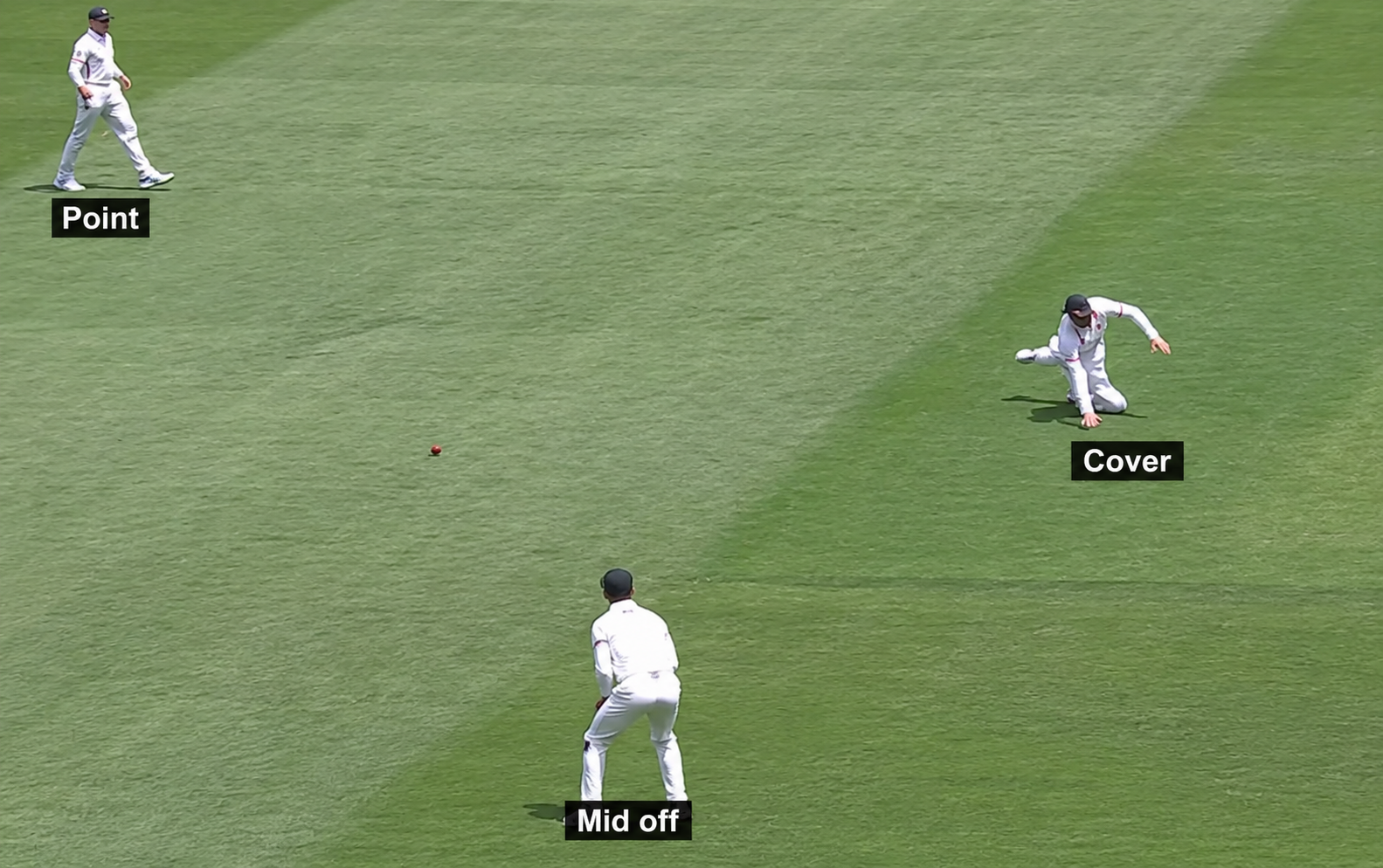
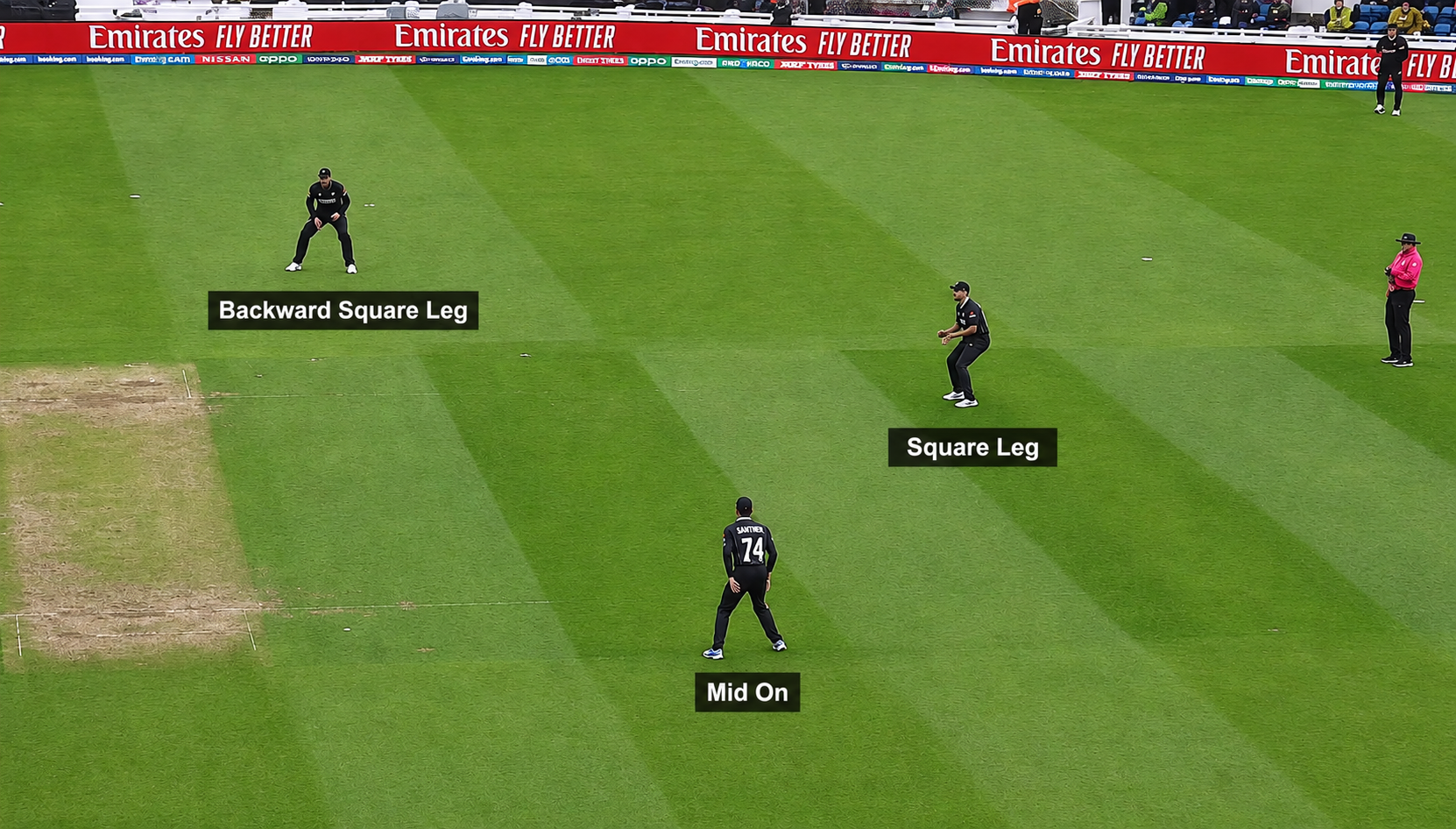
Different bowling styles call for different fielding positions in cricket, with captains constantly adjusting their field according to the batter, bowler and match situation. Some areas of the field become particularly important because they offer greater chances of catches, run-outs or stopping attacking shots. These are often referred to as hot fielding positions.
Hot Fielding Positions for Fast Bowlers
Among all fielding positions in cricket, some are considered “hot” because they are positioned where the ball is more likely to travel quickly and where sharp catching or ground fielding can make a major difference. For fast bowlers, the slip cordon is one of the most attacking examples. When the ball is swinging and bouncing away from the bat, the captain may reinforce the slip cordon with multiple slips and sometimes a gully.
These fielding positions in cricket are designed to create catching opportunities from edges, particularly when the bowler is getting movement off the pitch or through the air. The exact cricket fielding position names used in the cordon can vary depending on the bowling angle, batter and match situation, but slips and gully remain important cricket position names for an attacking pace-bowling field.
Hot Fielding Positions for Spinners
Spin bowling can bring even more fielders close to the batter, particularly in Test cricket when the captain is looking to create pressure and force a mistake. Common fielding positions in cricket for spinners include short leg, leg slip, silly point and slip, all of which can be used to catch edges, deflections or mistimed shots close to the bat.
These are some of the most recognisable cricket fielding position names when discussing an attacking spin field. A fielding position name in cricket such as silly point or short leg describes not only where the fielder stands, but also the type of chance the captain is trying to create. Depending on the bowler and batter, the captain can move these cricket position names closer or wider to target specific shots and weaknesses.
Point, Cover, Midwicket and the Other Hot Zones
Point and cover are also important fielding positions in cricket, particularly because powerful shots can travel quickly through these areas. Captains often place their best fielders at point and cover because excellent reflexes, anticipation and throwing ability can turn likely boundaries into stops or even run-outs. South African legend Jonty Rhodes became particularly famous for his extraordinary fielding around point and the cover region, setting a benchmark for athletic fielding in these positions.
On the leg side, midwicket, backward square leg and mid-on can all become important hot areas for both pacers and spinners. These cricket fielding positions names can change according to the bowler, batter, and match situation, which is why all fielding positions in cricket cannot be viewed as a single fixed arrangement. Understanding each fielding position name in cricket helps explain how captains build attacking fields and protect scoring areas.
A note on helmets in the field: the wicket keeper’s helmet behind the stumps and any batter’s helmet in play follow a specific dead-ball rule when the delivery strikes or lodges in the helmet. See ball hitting the helmet in play — no ball or dead ball? for the complete ruling.
FAQ on Cricket Fielding Position Names
What are the main forms cricket fielding position names?
The main form cricket fielding position names include slip, gully, point, cover, mid-off, mid-on, square leg, and fine leg, along with their deeper boundary variations.
How many fielding positions in cricket exist?
There is no fixed number of cricket fielding positions. But the primary forms of fielding positions feature somewhere between 30-35 commonly used fielding position names. The manner in which fielding setup in cricket is done depends on the format and the game situation.
What is the difference between off side and leg side fielding positions?
A cricket fielding positions chart is a visual diagram showing where each fielder is placed on the ground relative to the batter.
What are the names of some simple cricket field positions?
Simple cricket fielding positions include slip, point, cover, extra cover, mid-off, mid-on, square leg, midwicket, and fine leg, commonly used across every format.
Why are fielding positions important in cricket?
Understanding all fielding positions in cricket helps teams set strategies, prevent runs, and create wicket-taking opportunities.
How many fielding positions in cricket exist on the leg side?
According to the latest cricket field positions chart, there are roughly 25 cricket fielding positions on the leg side.
How many cricket fielding positions exist on the off side?
According to the most recent cricket fielding positions chart, there are roughly around 26 cricket player positions on the off side.
How many types of cricket fielding positions exist near the straight boundary?
According to the cricket field positions chart, there are currently 4 cricket positions situated at the straight boundary, 3 of which are placed behind the bowler.
What is gully in cricket?
The gully cricket fielding position is typically placed between the [slips] and [point], specifically designed to catch thick edges.
What is short leg fielding position in cricket?
The short leg fielding position in cricket is ideally placed for a spinner. It’s usually one of the close-in cricket fielding position names, located on the leg side, specifically positioned very close to the batsman, around square leg.
How many fielders are there in cricket?
The fielding team can host a maximum of 11 fielders on the field of play.
More Resource Guides On Cricket Coaching Basics
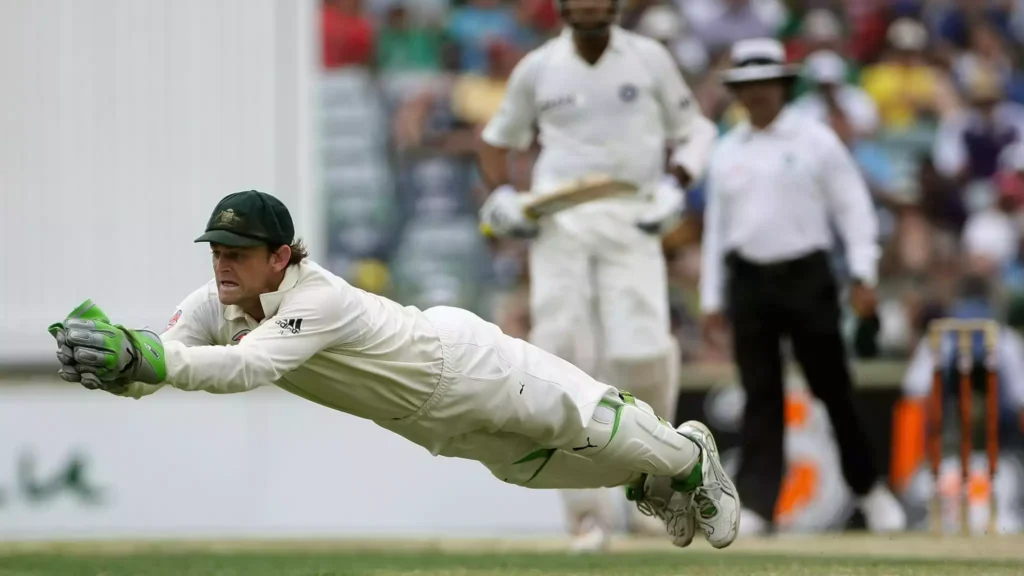
Wicket Keeping Drills for Juniors: Outdoor Training & Easy At-Home Practice Guide

How to Bowl Fast in Cricket: Tips, Exercises & Techniques to Increase Bowling Speed
How to Avoid LBW in Cricket: 5 Simple Tips That Actually Work
Found Our Cricket Coaching Guide Insightful?
With the right equipment, access to top experts, and the resources to grow, Cricvision can go the extra mile! If you’d like to be part of this journey, visit our donation page. Every contribution counts and directly fuels our growth.
Donate Now