
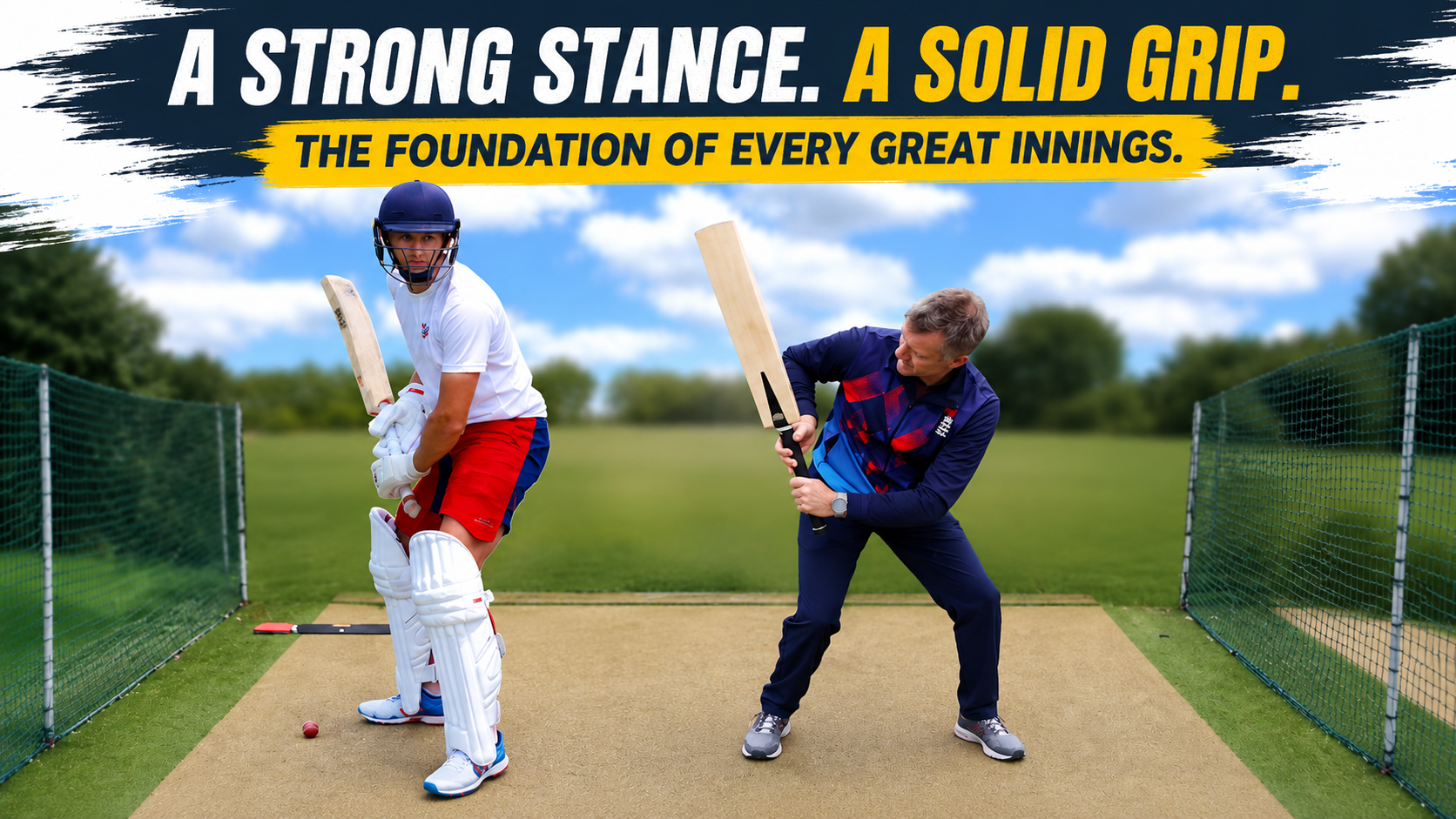
Every successful innings begins long before the bowler releases the cricket ball. While powerful strokes often steal the spotlight, a technically sound batting stance forms the foundation of every great batter’s game. A balanced stance allows you to judge the cricket ball earlier, move your feet efficiently, and execute both attacking and defensive shots with greater confidence.
Whether you’re just starting your cricket journey or looking to improve your batting technique, mastering the correct batting grip and stance is essential for consistent run scoring. A technically sound cricket batting stance allows you to move freely, judge the line and length earlier, and play both attacking and defensive shots with confidence.
In this guide, we’ll explain the correct cricket batting stance, the different types of batting stance in cricket, and how combining the right grip with the proper stance creates the perfect foundation for every batter.
Table of Contents
Cricket Batting Stance Basics
A proper cricket batting stance is all about creating balance before the cricket ball is delivered. The goal is to remain relaxed, athletic, and ready to move in any direction without losing stability. Your feet should provide a solid base, your knees should remain slightly bent, and your weight should be evenly distributed across both feet.
A balanced cricket stance also helps keep your head still and your eyes level, making it easier to judge the length and line of the cricket ball. These small technical details may appear simple, but they form the backbone of good batting technique. Many experienced coaches consider the batting stance to be one of the most important cricket batting tips because every stroke begins from this position.
Before learning advanced batting shots, every player should first develop a repeatable cricket batting stance. A stable stance improves balance, encourages better footwork, and allows batters to react more efficiently against both pace and spin. Whether you’re wondering how to stand in cricket batting or looking to refine your existing technique, focusing on the basics will make every other batting skill easier to develop.
Step-by-Step Guide to the Perfect Batting Stance
In this section, we’ll explain how to take stance in cricket using a simple step-by-step approach. Following these batting stance basics will help beginners develop the correct cricket batting standing position, improve balance, and prepare for every delivery with confidence.
Step 1: Keep Your Feet Shoulder-Width Apart
Begin by standing with your feet roughly shoulder-width apart. This creates a stable base without restricting movement. Standing too wide reduces footwork, while placing your feet too close together affects balance. A comfortable base allows you to transfer your weight smoothly when playing both front-foot and back-foot shots.
Step 2: Bend Your Knees Slightly
Avoid locking your knees. Instead, maintain a slight bend that keeps your body relaxed and ready to react. Bent knees lower your centre of gravity, allowing quicker movement towards both full-length deliveries and shorter balls.
Step 3: Stay on the Balls of Your Feet
Keep your weight on the balls of your feet instead of resting on your heels. This athletic position enables faster foot movement in any direction. Remaining light on your feet is one of the simplest cricket batting tips that helps improve balance and reaction time against quicker bowlers.
Step 4: Keep Your Head Still and Eyes Level
Your head should remain directly above your front shoulder with your eyes level throughout the delivery. Excessive head movement affects balance and makes judging line and length more difficult. Many of the world’s best batters focus on keeping their heads still until after making contact with the cricket ball.
Step 5: Relax Your Upper Body
Tension limits movement. Keep your shoulders, elbows, and hands relaxed while waiting for the delivery. A relaxed upper body allows you to react naturally instead of forcing your movements.
Step 6: Rest the Bat Beside Your Back Foot
Allow the toe of the bat to rest gently beside your back foot while remaining ready to lift it into your backswing. The bat should never feel heavy or rigid. A relaxed bat position helps produce a smoother pickup and better timing once the cricket ball is released.
Types of Batting Stance
There are primarily two types of batting stance in cricket, each offering its own advantages depending on a player’s technique and comfort. While there is no hard and fast rule on which cricket stance to select, comfort and convenience must be kept in mind before selecting the preferred batting stance of your choice.
Selecting the right batting stance in cricket can improve balance, shot selection, and overall confidence at the crease. Beginners are generally encouraged to start with a side-on stance before experimenting with a slightly open setup as they gain experience.
Side-On Batting Stance
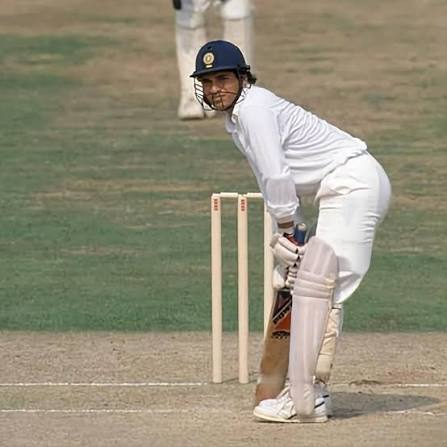
The side-on stance is the most conventional cricket stance used by batters around the world. In this position, both shoulders remain aligned towards the bowler while the body stays sideways to the pitch. This alignment provides excellent balance, promotes straighter bat swings, and makes it easier to play classical cricket strokes such as the cover drive and straight drive.
The side-on setup is widely regarded as the correct cricket batting stance for beginners because it promotes excellent balance and a straight bat path. Many coaches introduce this cricket batting stance for beginners first, allowing players to build solid fundamentals before making personal adjustments to suit their playing style.
Most coaches recommend the side-on stance for beginners because it encourages sound batting fundamentals and improves overall shot selection.
Open-Chest Batting Stance
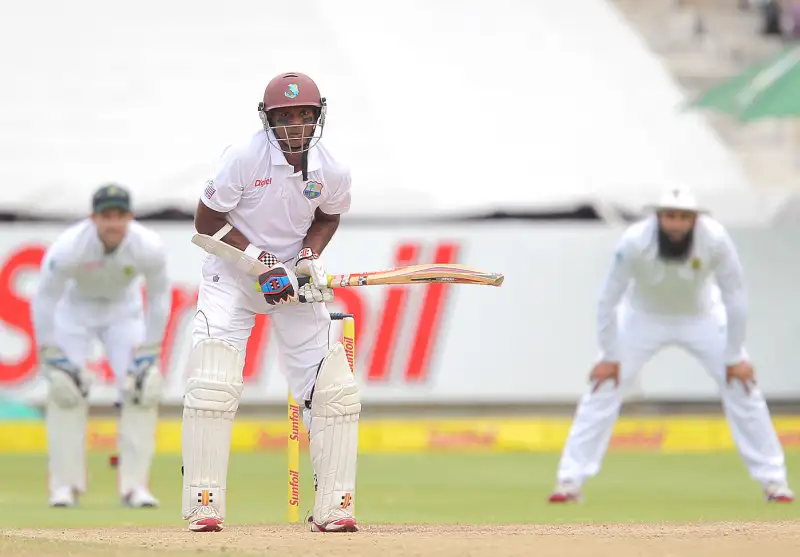
Some batters adopt a slightly open-chest stance, where the front shoulder opens towards the bowler. This adjustment helps players access deliveries on the leg side more comfortably while improving visibility of the cricket ball during release.
Although some modern batters successfully use an open stance, it should only be adopted if it complements your natural technique. The best cricket batting stance is ultimately the one that allows you to stay balanced, watch the ball closely, and play with confidence rather than copying another player’s setup.
An open stance can also benefit batters facing bowlers who consistently angle the cricket ball into the pads. However, opening the body too much may expose the stumps and reduce access to certain off-side strokes. Finding the right balance is therefore essential.
How to Grip a Cricket Bat Correctly
Although some modern batters successfully use an open stance, it should only be adopted if it complements your natural technique. The best cricket batting stance is ultimately the one that allows you to stay balanced, watch the ball closely, and play with confidence rather than copying another player’s setup.
Former West Indies batting coach Toby Radford walks us through the fundamental basics of having the correct bat grip. In his batting tutorial, Radford advises us to place the top hand comfortably near the top of the handle, with the thumb and index finger forming a relaxed “V” shape pointing down the back of the bat. The bottom hand should sit directly beneath the top hand without leaving a noticeable gap between the two hands. Rather than squeezing the handle tightly, maintain a light but secure grip that allows your wrists to move freely throughout the shot.
Here is how you can achieve a V-shape bat grip 👇
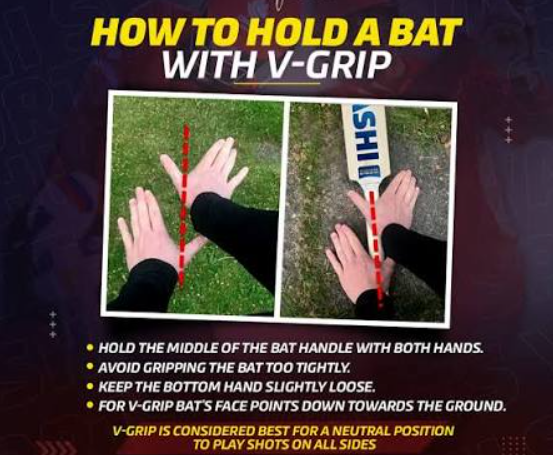
Many young players mistakenly allow their bottom hand to dominate the grip, causing them to close the bat face too early and lose control of their strokes. Instead, the top hand should guide the bat through the line of the ball while the bottom hand provides additional support and power during impact. Understanding how to grip a cricket bat correctly also improves bat speed, shot timing, and overall balance. As you continue developing your cricket skills, remember that both your batting stance and bat grip work together to produce consistent performances at the crease.
Batting Stance & Batting Grip in Cricket: Closing Thoughts
Developing the correct cricket batting stance is one of the most important skills every batter should learn. Whether you prefer a side-on or open setup, choosing a balanced batting stance in cricket and combining it with the correct bat grip will improve movement, timing, and overall consistency. Remember that the best cricket batting stance is one that feels comfortable while allowing you to react quickly to every delivery.
Like every cricket skill, developing a technically sound batting stance requires patience and regular practice. Spend time refining your setup through simple drills, seek feedback from coaches, and make gradual improvements rather than rushing the process. Over time, these small refinements will translate into greater confidence and consistency at the crease.
For more expert cricket batting tips, bowling tutorials, fielding drills, and practical coaching resources, be sure to explore our cricket resources page and continue sharpening every aspect of your game.
Batting Tips & Coaching Resources
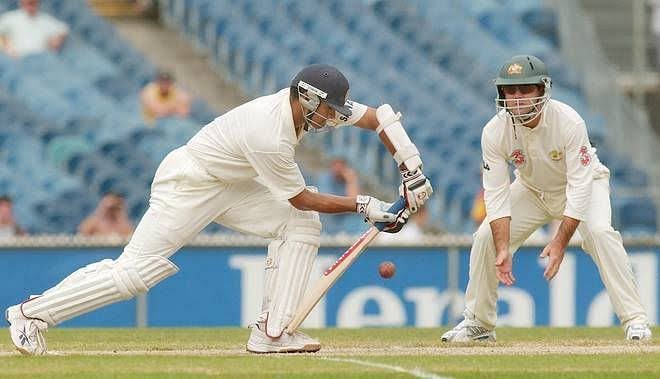
Front Foot Defence in Cricket (Forward Defence): Step-by-Step Technical Guide
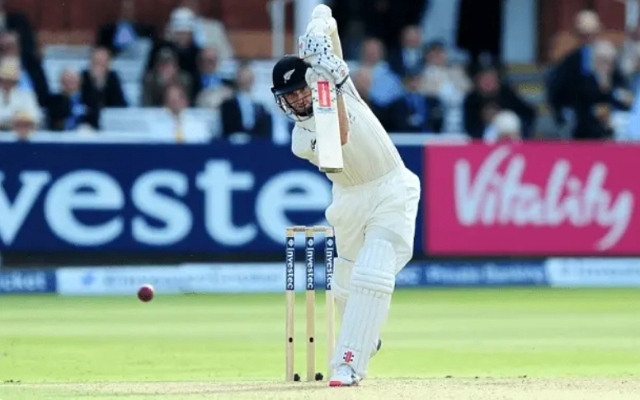
How to Play the Front Foot Drive in Cricket (Step-by-Step Guide for Beginners)
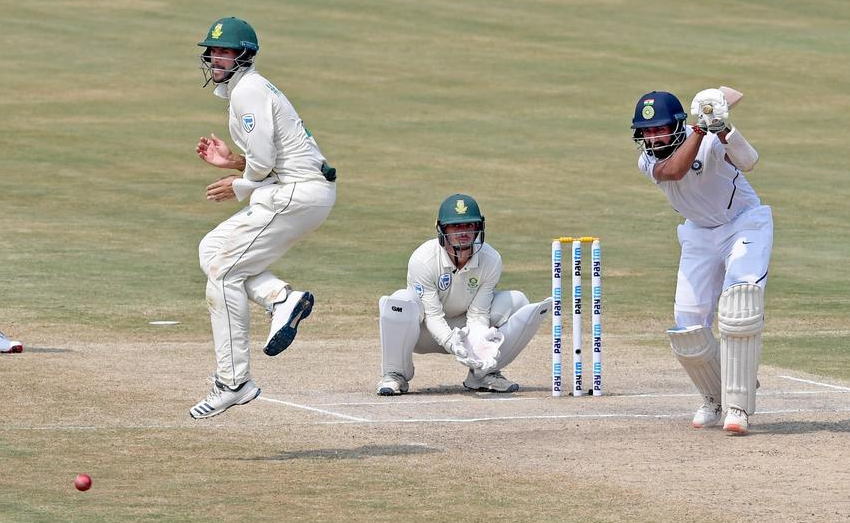
How to Use Feet Against Spin in Cricket: Step-by-Step Batting Guide
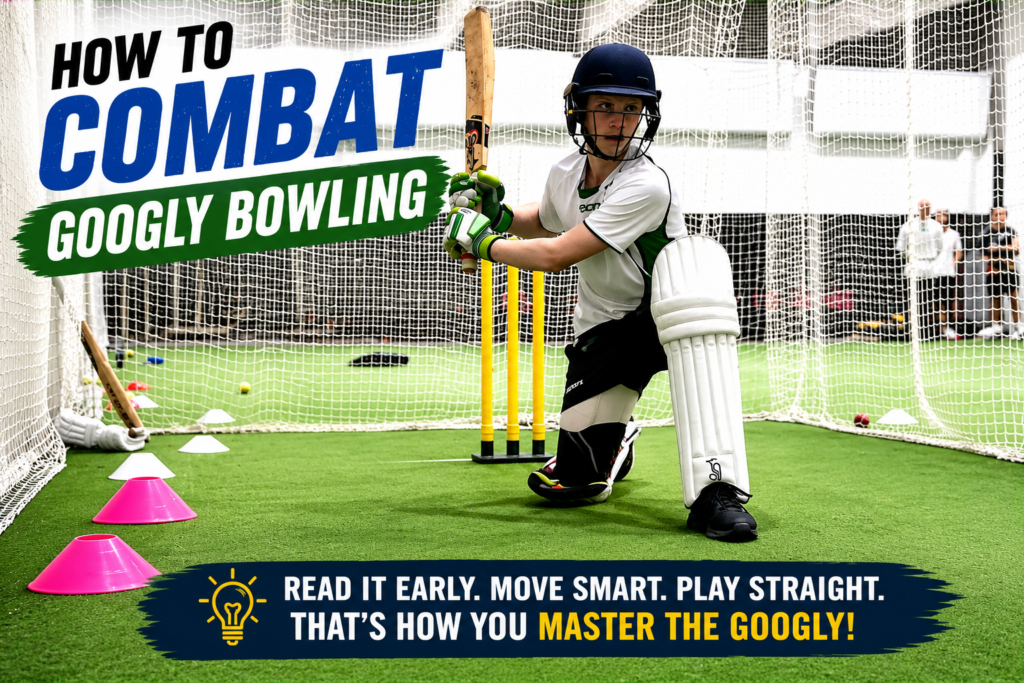
Cricket Batting Tips: How To Read A Googly Ball To Perfection
Found Our Cricket Coaching Guide Insightful?
With the right equipment, access to top experts, and the resources to grow, Cricvision can go the extra mile! If you’d like to be part of this journey, visit our donation page. Every contribution counts and directly fuels our growth.
Donate Now