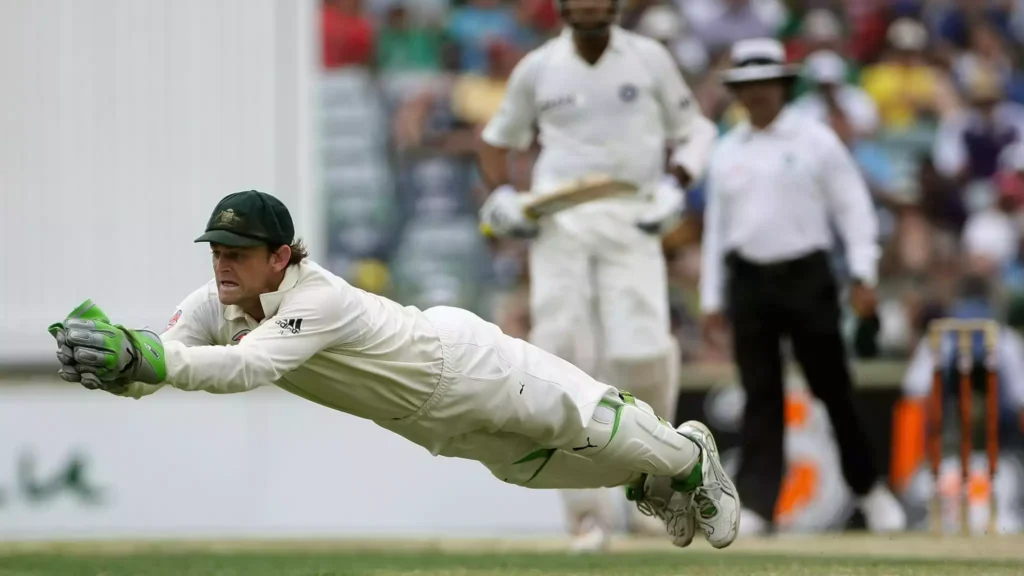
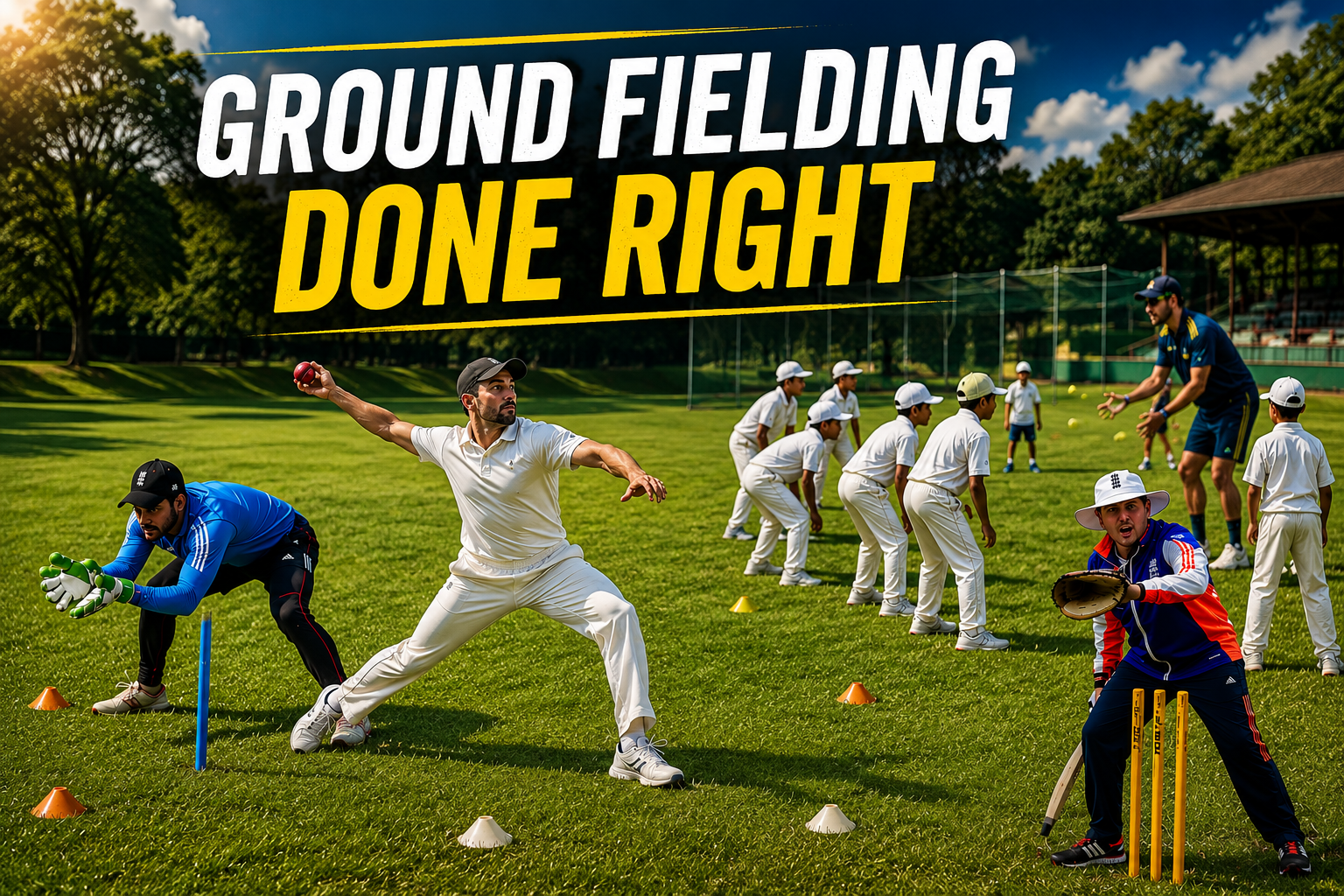
Do you aspire to terrorize the opposition with your athletic on-field exploits, just like the legendary Jonty Rhodes? Ground fielding in cricket is one of the most important fielding techniques in cricket because it allows players to save valuable runs and create run-out opportunities. Mastering these cricket fielding skills can completely change the momentum of a match.
Mastering ground fielding in cricket starts with two essential skills—clean ball collection and an accurate cricket throwing technique. Together, these abilities help fielders save runs, build pressure, and create valuable wicket-taking opportunities.
Strong fielding is built on more than athleticism. Every cricketer should understand the fundamentals of ground fielding in cricket, the long barrier technique, attacking pickups, and accurate throwing methods. In this guide, you’ll learn the essential fielding techniques used by beginners and professionals to save runs and create wicket-taking opportunities.
In this guide, we break down the essential ground fielding technique, throwing methods, common mistakes, and practical fielding drills in cricket that can help players of all ages improve their game.
Table of Contents
What Is Ground Fielding in Cricket?
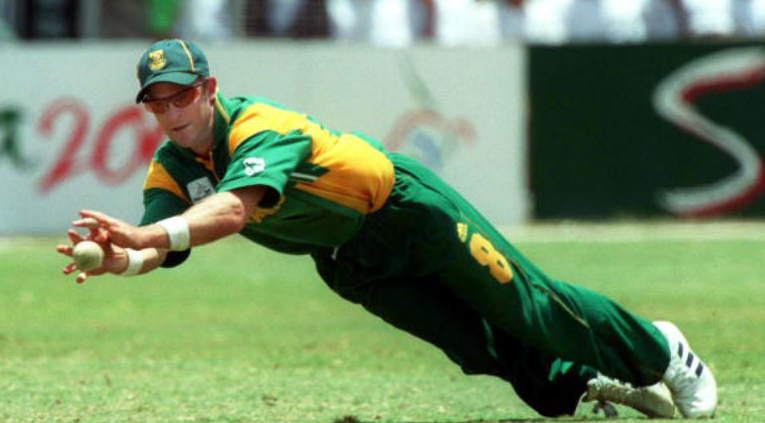
Ground fielding in cricket refers to the skill of stopping, collecting, and returning a ball that is travelling along the ground. Unlike catching, which deals with balls in the air, ground fielding focuses on preventing boundaries, restricting singles, and creating run-out opportunities.
Effective ground fielding requires quick reactions, proper body positioning, soft hands, and an accurate throw. Players commonly use techniques such as the long barrier, attacking pickup, and one-handed collection depending on the match situation.
Whether you are fielding in the inner ring or near the boundary, mastering ground fielding techniques can save valuable runs and put constant pressure on the batting side.
Cricket Fielding Techniques: Essential Ground Fielding Skills
Ground fielding in cricket is one of the most important cricket fielding techniques because it directly influences how many runs a team saves during an innings. Good fielding skills in cricket involve approaching the cricket ball correctly, collecting it cleanly, maintaining balance, and delivering an accurate return throw.
Whether you are fielding inside the ring or patrolling the boundary, mastering proper ground fielding technique can turn half-chances into wickets and prevent easy runs.
Long Barrier Fielding in Cricket: Technique & Steps
The long barrier remains one of the safest fielding techniques in cricket and is an excellent ground fielding technique for beginners because it reduces the chance of misfields.
To execute the long barrier:
✅Get your body behind the line of the ball.
✅Bend your front knee and lower your body.
✅Place the trailing leg behind the hands to create a barrier.
✅Keep both hands close to the ground.
✅Watch the ball closely into the hands.
The purpose of the long barrier is simple. If the cricket ball slips through the hands, the body and trailing leg prevent it from travelling further. This makes it one of the most important fielding tips in cricket for beginners.
Attacking Ground Fielding In Cricket
While the long barrier prioritizes safety, advanced fielders often attack the cricket ball aggressively. Here are a few ground fielding tips to keep in mind:
✅Stay low while approaching the ball.
✅Move through the line of the ball.
✅Collect the ball with soft hands.
✅Prepare the body for a quick release and throw.
Attacking fielding in cricket is commonly used by infielders looking to create direct-hit run-out opportunities while preventing easy singles.
Common Ground Fielding Mistakes
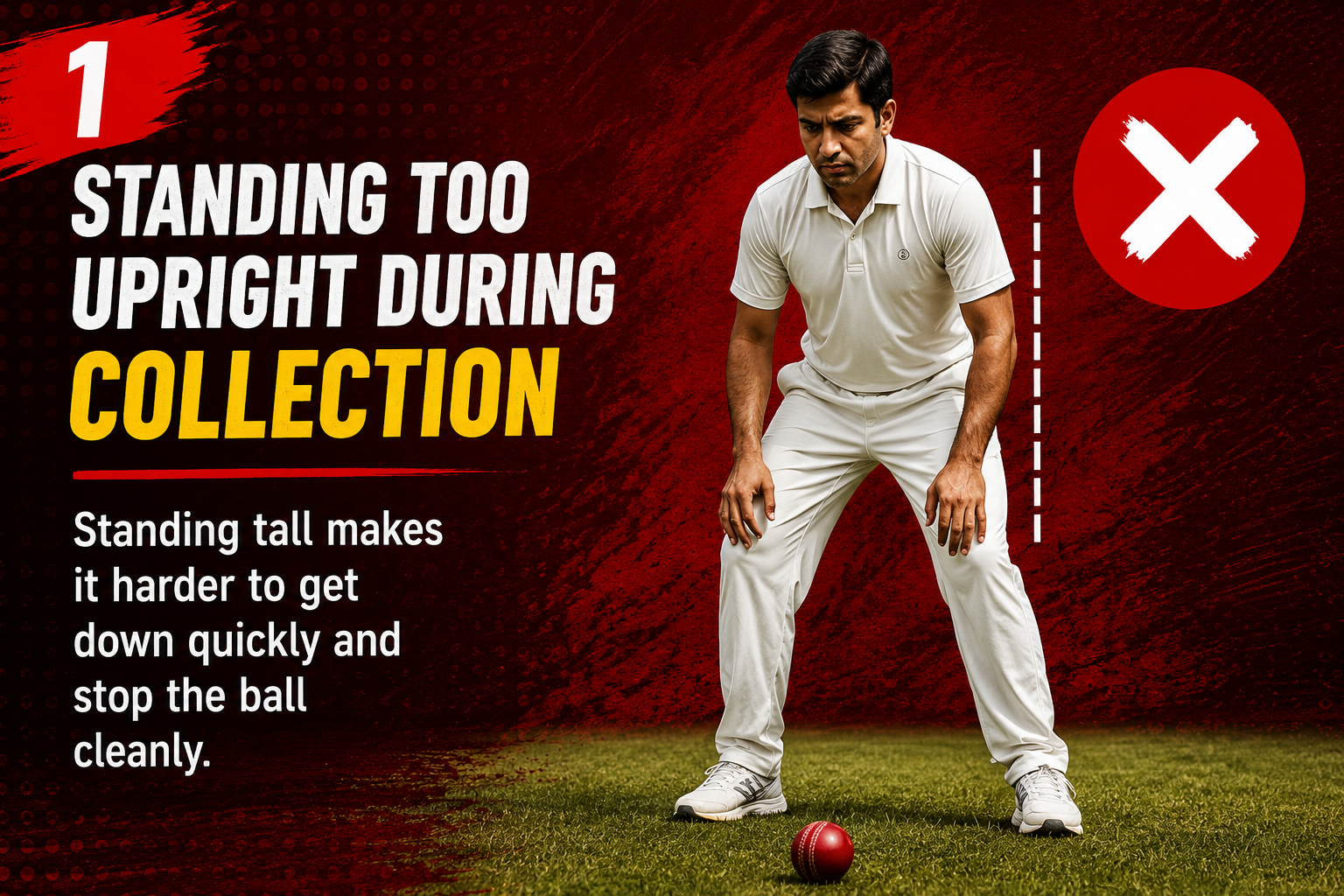
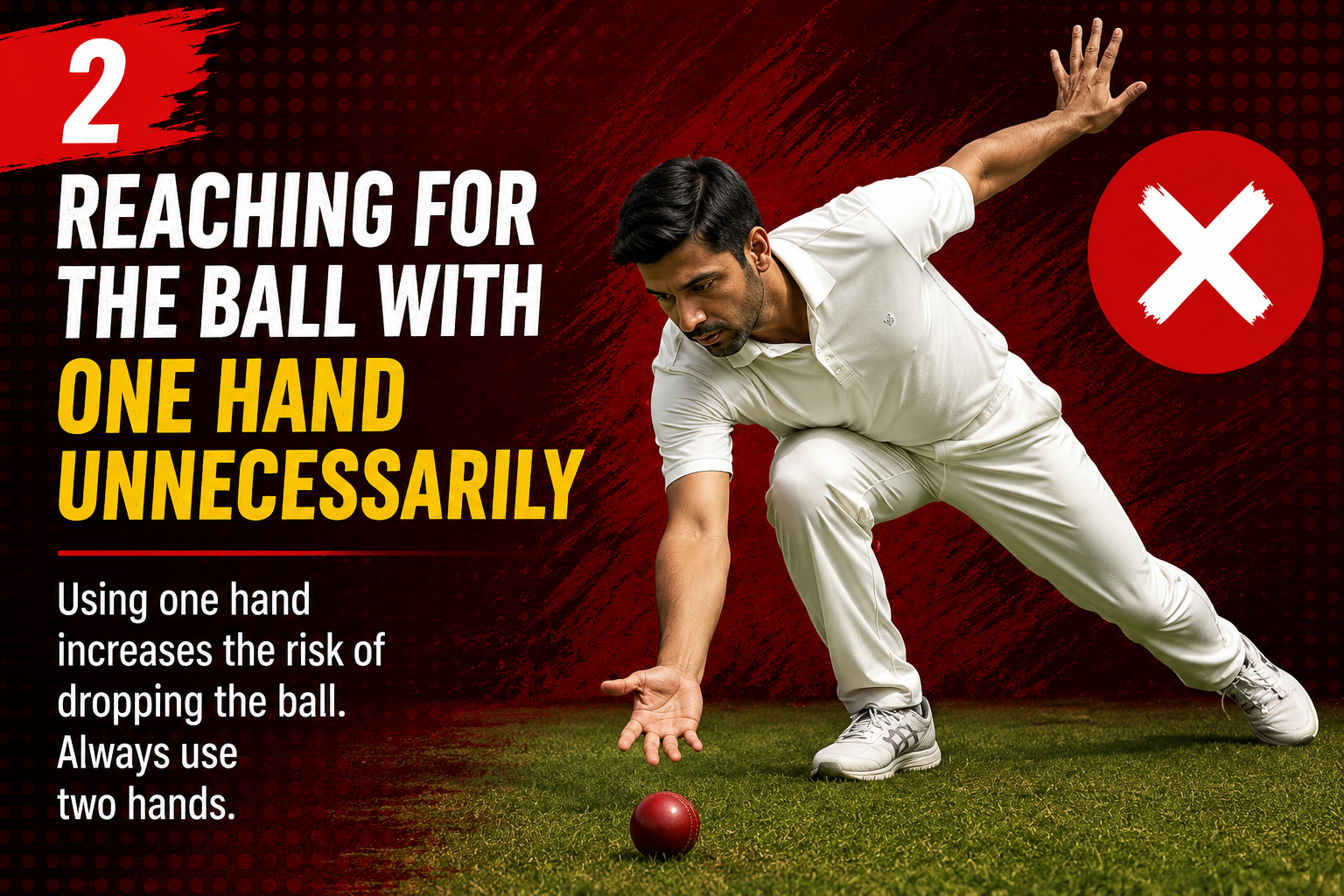
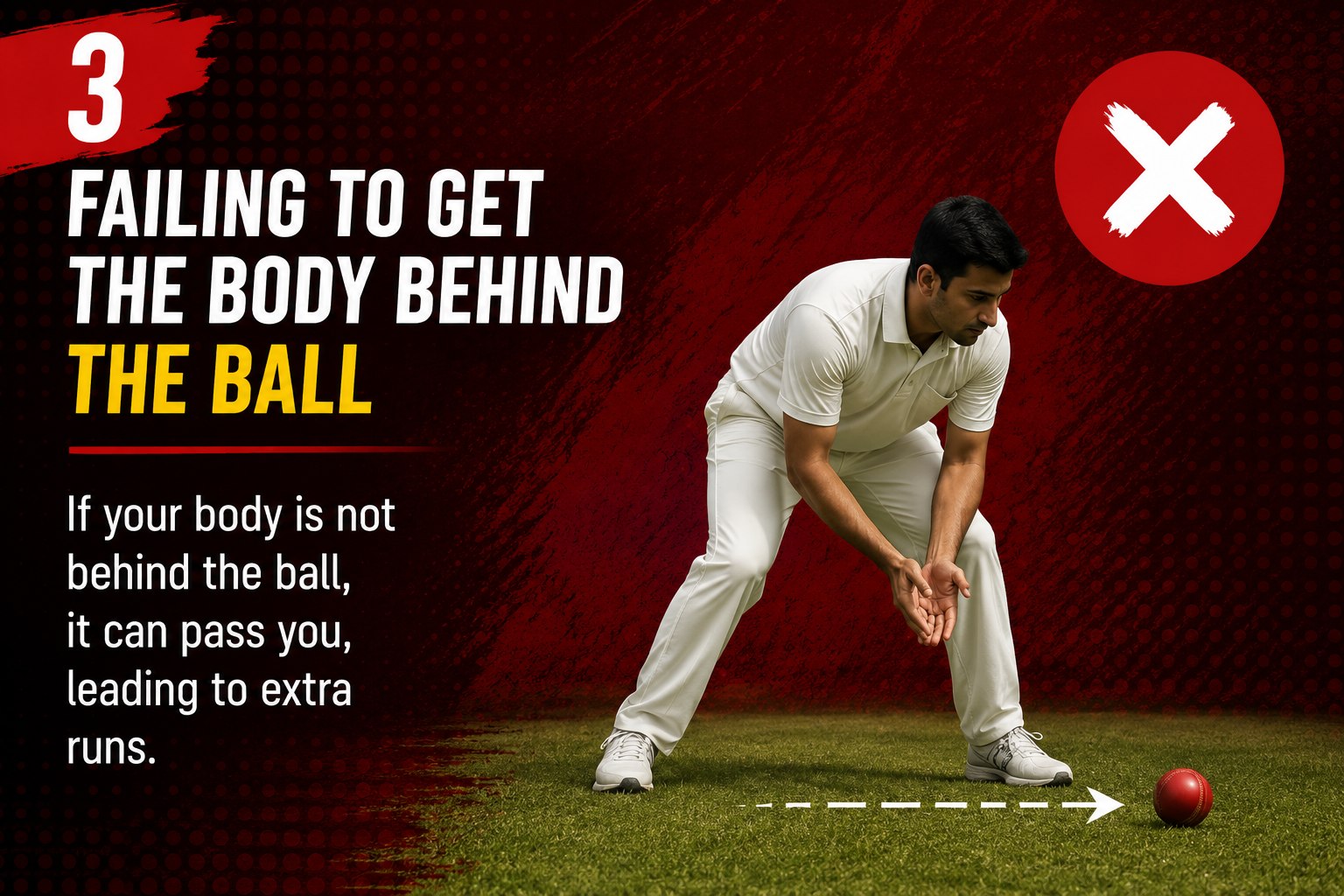
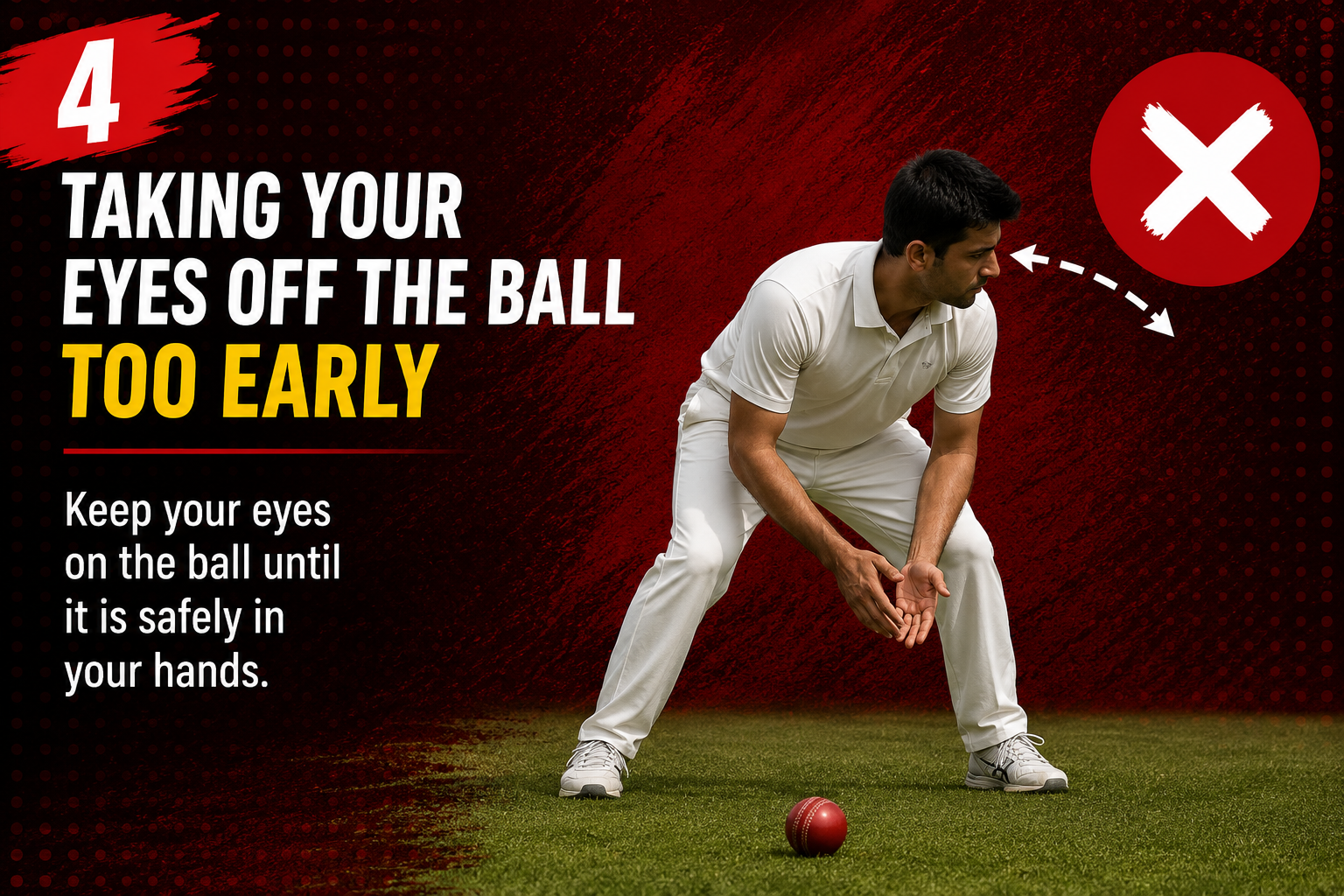
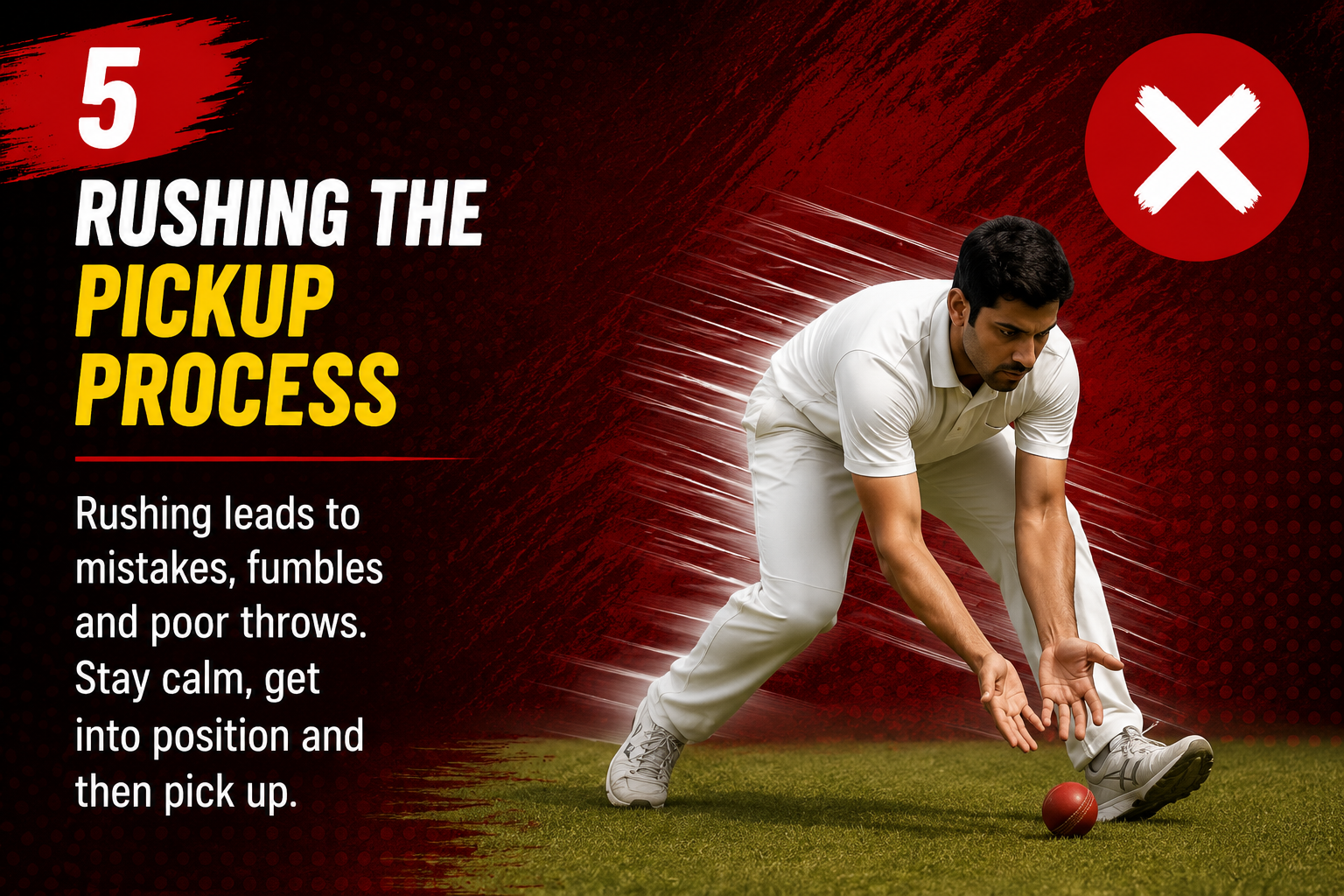
💡Top Tip: Many fielding errors occur because players focus on the throw before securing possession of the cricket ball.
Ground Fielding Drills
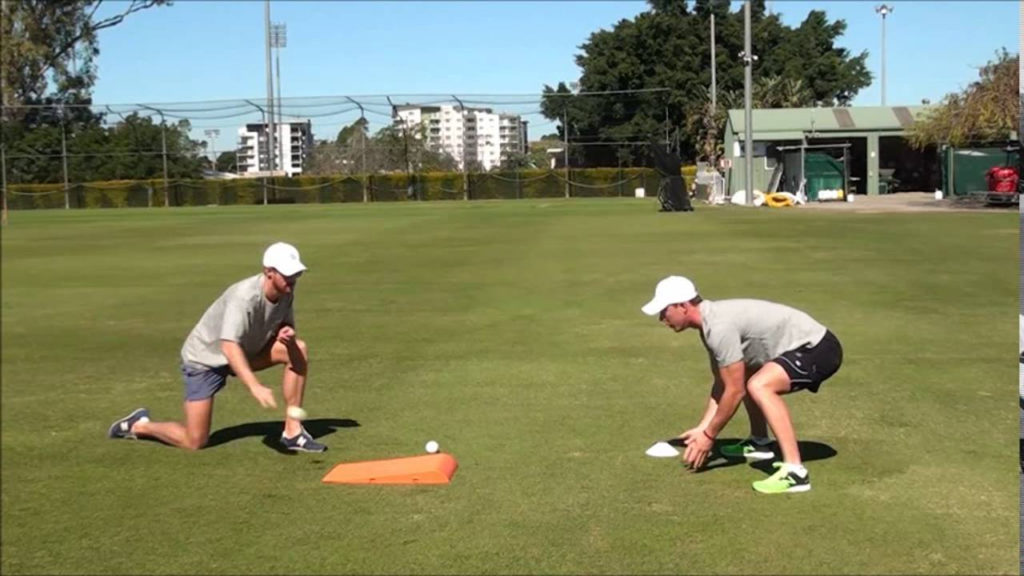
Regular practice is one of the best ways to improve fielding in cricket. Ground fielding drills help develop confidence, reaction time, clean ball collection, and consistency under match conditions. The following drills help players build consistency and improve their ability to stop and collect the cricket ball effectively under match conditions.
Rolling Ball Collection Drill
Another innovative way of improving your fielding techniques in cricket is by performing the rolling ball collection drill. A coach or teammate rolls the ball towards the fielder from different angles.
Purpose:
✅Improve reaction time.
✅Develop proper ground fielding technique.
✅Reinforce the long barrier position.
Attack and Release Drill
Fitness and agility play a pivotal role in sharpening your fielding techniques in cricket. To perform this ground fielding drill, the fielder must attack a slowly rolling ball, collect it cleanly, and release a throw towards a target.
Purpose:
✅Improve transition between fielding and throwing.
✅Enhance match awareness.
One-Hand Pickup Drill
Ground fielding in cricket is never complete without the one-handed pick drill. Due to the fast nature of the game, fielders often find themselves in a situation where they simply can’t use to hands. Advanced players can practise one-handed pickups while moving at speed.
Purpose:
✅Improve athleticism.
✅Develop confidence in attacking the ball.
💡Top Tip: These fielding drills in cricket are commonly used by coaches to improve overall fielding technique.
Cricket Throwing Techniques: How to Throw a Cricket Ball Accurately
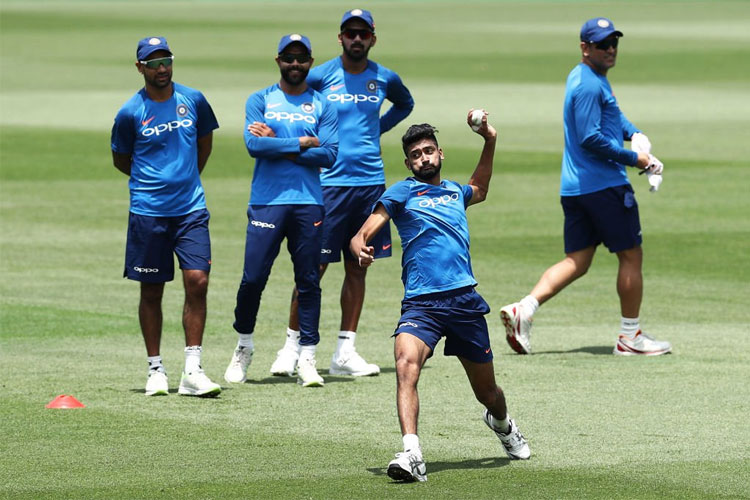
Once you’ve collected the ball cleanly, knowing how to throw a cricket ball accurately is equally important. The best cricket throwing technique combines footwork, body rotation, timing, and follow-through to deliver power and precision. There are two main types of throws in cricket: underarm and overarm throws. The right throwing technique depends on the distance, speed of the play, and position of the fielder. A proper cricket throwing technique combines footwork, body rotation, timing, and follow-through to deliver both power and precision. Whether using an underarm or overarm throw, the goal is always to return the ball quickly while giving teammates the best chance of completing a run-out.
There are two main types of throws in cricket: underarm and overarm throws. The right throwing technique depends on the distance, speed of the play, and position of the fielder.
Underarm Cricket Throwing Technique
The underarm throw is an important part of cricket throwing technique and is primarily used for short distances, and is valued for its speed and accuracy. It is commonly used during run-out attempts at close range, when returning the cricket ball to the wicketkeeper, or for quick releases in the inner circle where a fast and controlled throw is required.
How to Perform an Underarm Throw:
✅Grip the ball comfortably.
✅Keep your eyes fixed on the target.
✅Swing the arm naturally under the shoulder.
✅Release the ball smoothly towards the stumps.
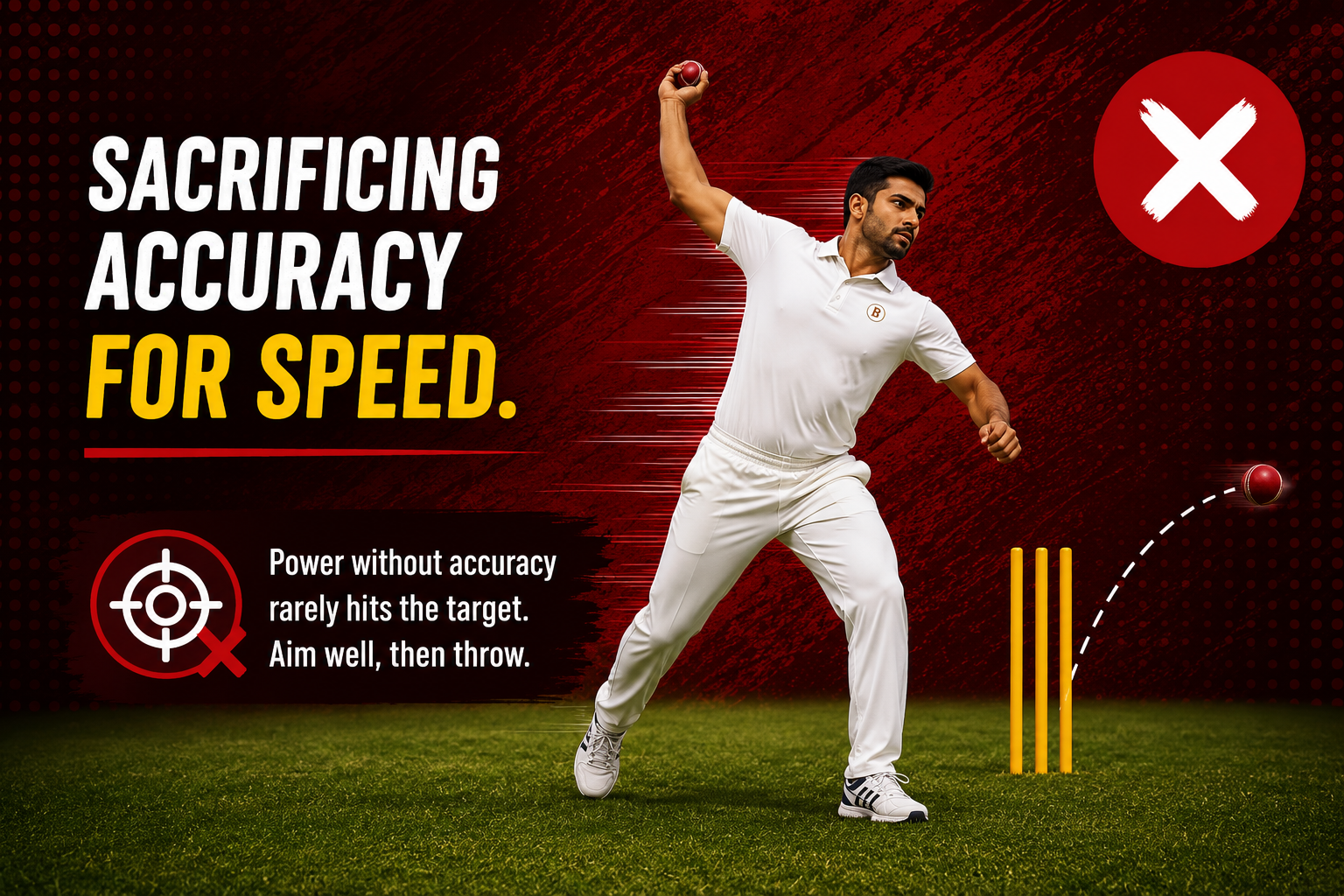
💡Top Tip: The underarm throw prioritizes accuracy over power. A good cricket throwing technique begins with accuracy before power.
Common Underarm Throwing Mistakes To Avoid
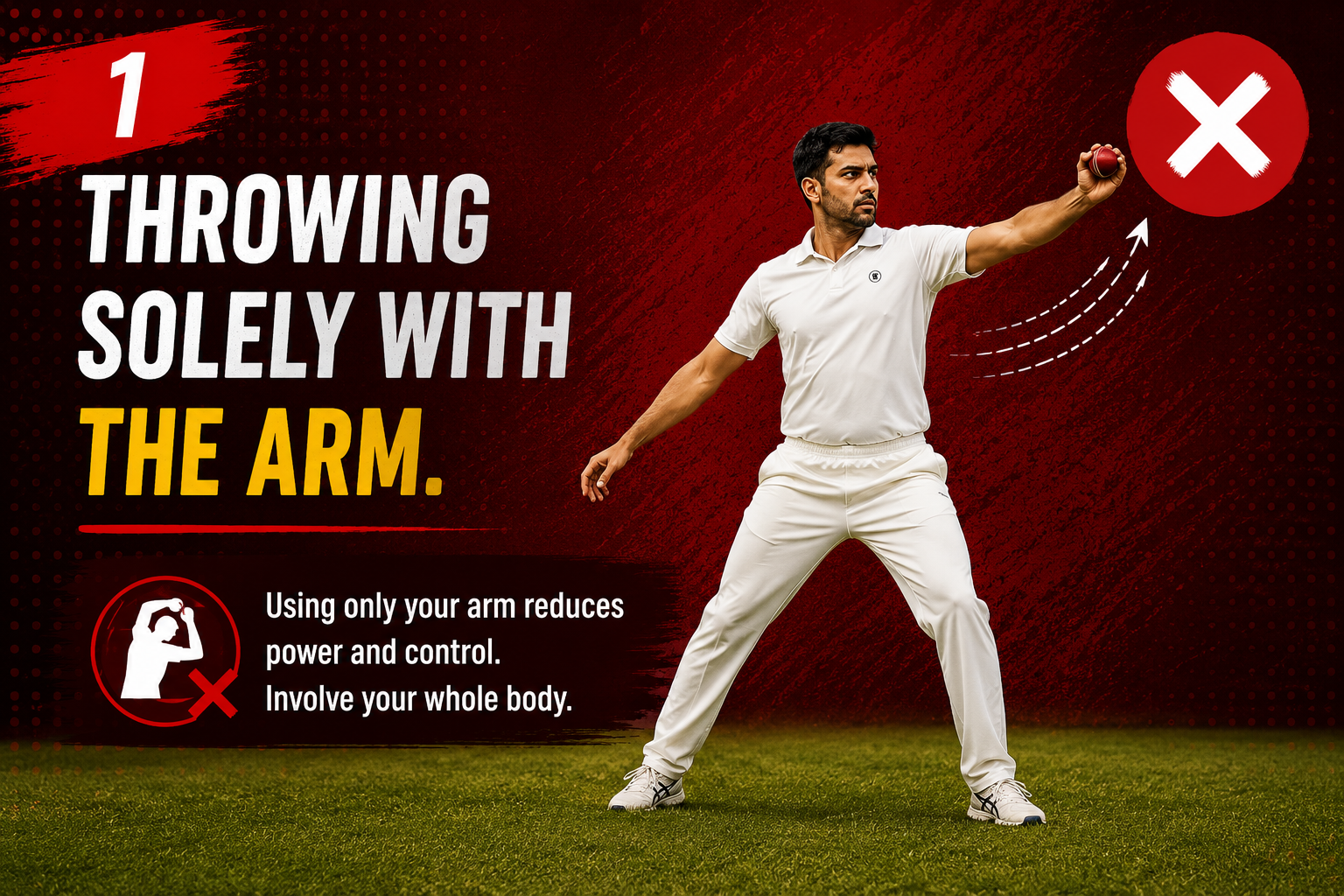
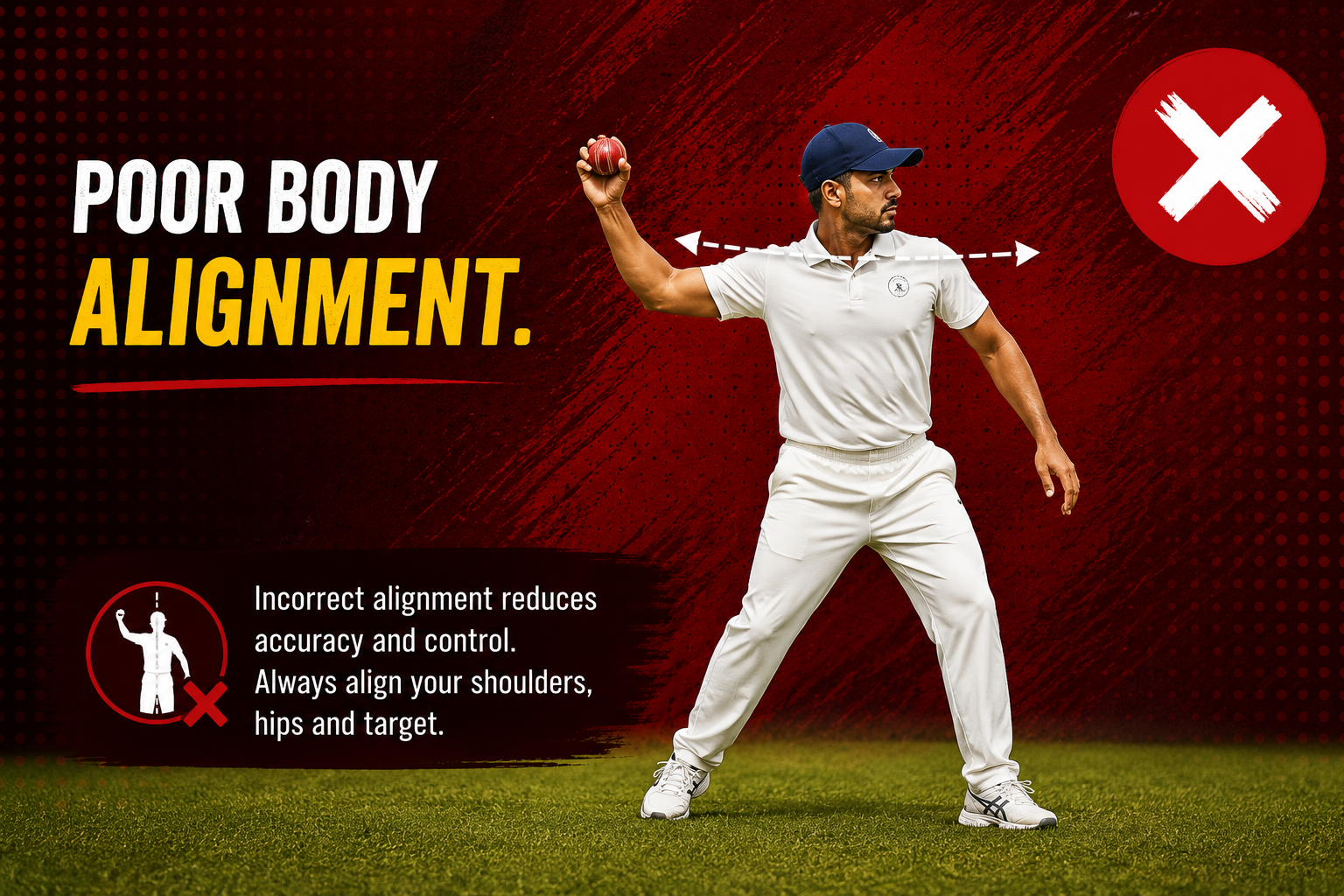
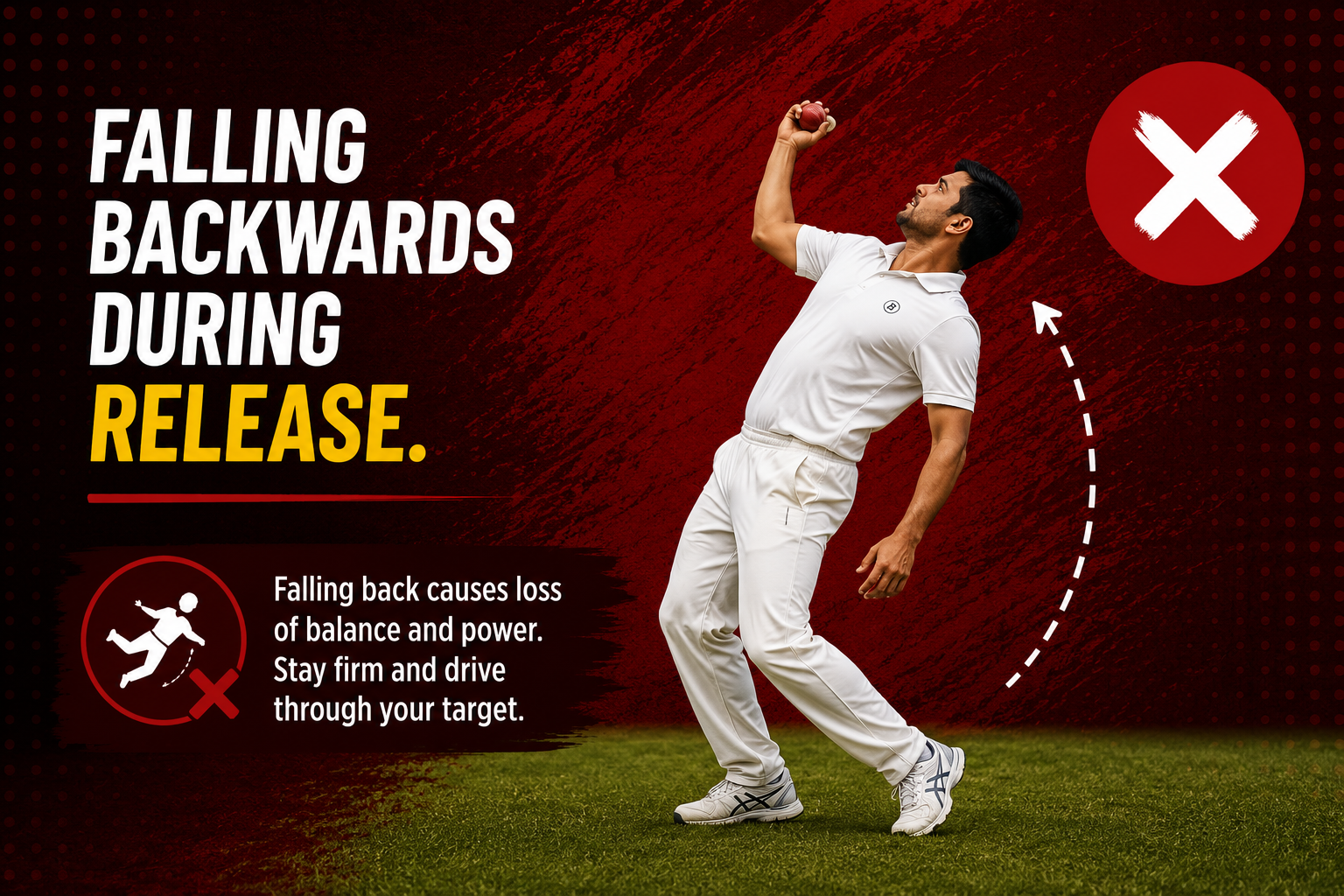

Overarm Cricket Throwing Technique
The overarm throw is one of the most important cricket throwing techniques because it allows fielders to return the ball quickly from the deep while maintaining accuracy. Boundary fielders frequently rely on this fielding technique when returning the cricket ball to the wicketkeeper or bowler.
How to Perform an Overarm Throw:
✅Position the body side-on to the target.
✅Grip the ball firmly but comfortably.
✅Point the front shoulder towards the target.
✅Rotate the hips and shoulders through the throw.
✅Follow through naturally after release.
💡Top Tip: A strong overarm throw combines timing, balance, and body rotation rather than pure arm strength.
Throwing Drills Cricket Players Should Practice
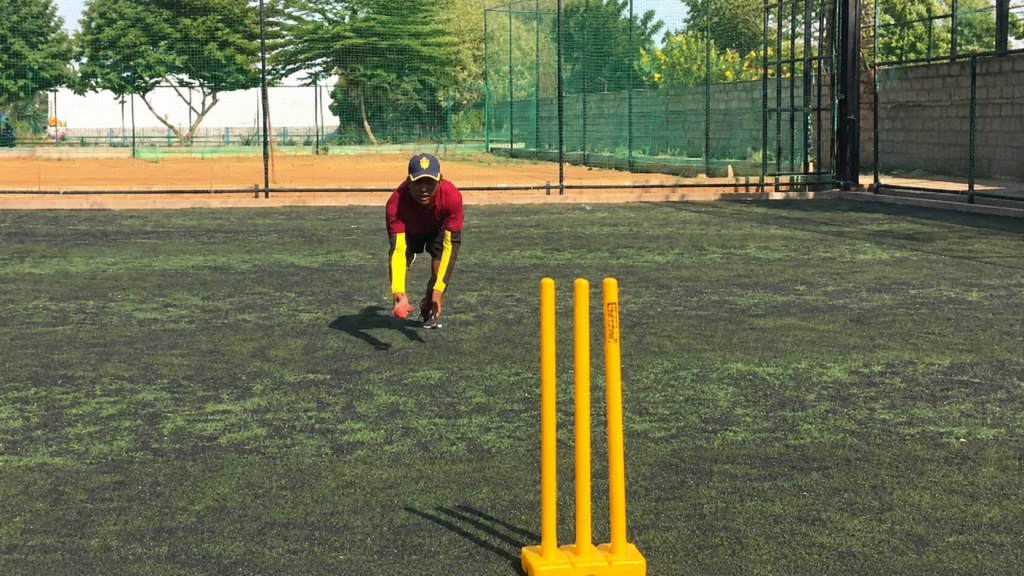
Throwing drills are an essential part of fielding practice because they help players develop accuracy, power, and consistency when returning the ball. Regular throwing drills improve arm strength, body coordination, and decision-making under pressure.
Target Throw Drill
Place a stump or cone 20 metres away.
Purpose:
✅Improve accuracy.
✅Develop consistency.
Quick Pickup and Throw Drill
Fielders collect a rolling ball and immediately throw it at a target.
Purpose:
✅Enhance fielding throw practice.
✅Improve match simulation.
Crow Hop Drill
Players learn to generate momentum before releasing the ball.
Purpose:
✅Increase throwing distance.
✅Improve body coordination.
Direct Hit Challenge
Players attempt to hit the stumps from various distances.
Purpose:
✅Improve pressure handling.
✅Enhance throwing accuracy.
💡Top Tip: These throwing drills cricket coaches use regularly can significantly improve both power and precision.
Fielding Basics in Cricket: Final Thoughts
Fielding techniques in cricket revolve around two essential skills—ground fielding and throwing. Players who consistently practise these cricket fielding tips and ground fielding drills become more reliable under pressure and save valuable runs for their team. Those who master the long barrier at the earliest, develop clean pickup techniques, and learn when to use underarm and overarm throws become valuable assets to any team.
Consistent fielding throw practice, regular ground fielding drills in cricket, and attention to proper fielding technique & fielding positions will gradually improve confidence and performance. Whether you are a beginner or an experienced cricketer, investing time to sharpen your cricket fielding techniques and cricket throwing techniques can save crucial runs and lead to match-winning outcomes.
For more cricket coaching tips on batting, bowling, wicketkeeping, and fielding, be sure to explore CricVision’s resource library. Our growing collection of guides, drills, tutorials, and expert insights is designed to help players of all skill levels develop their game and improve their on-field performance.
Related Resources On Fielding Tips
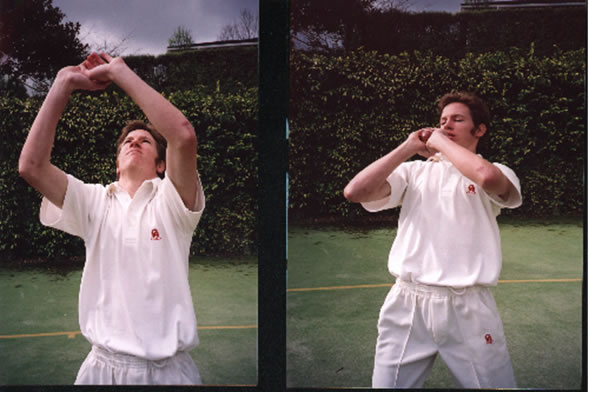
Fielding Basics in Cricket: How to Take the Perfect Cricket Catch Every Time