


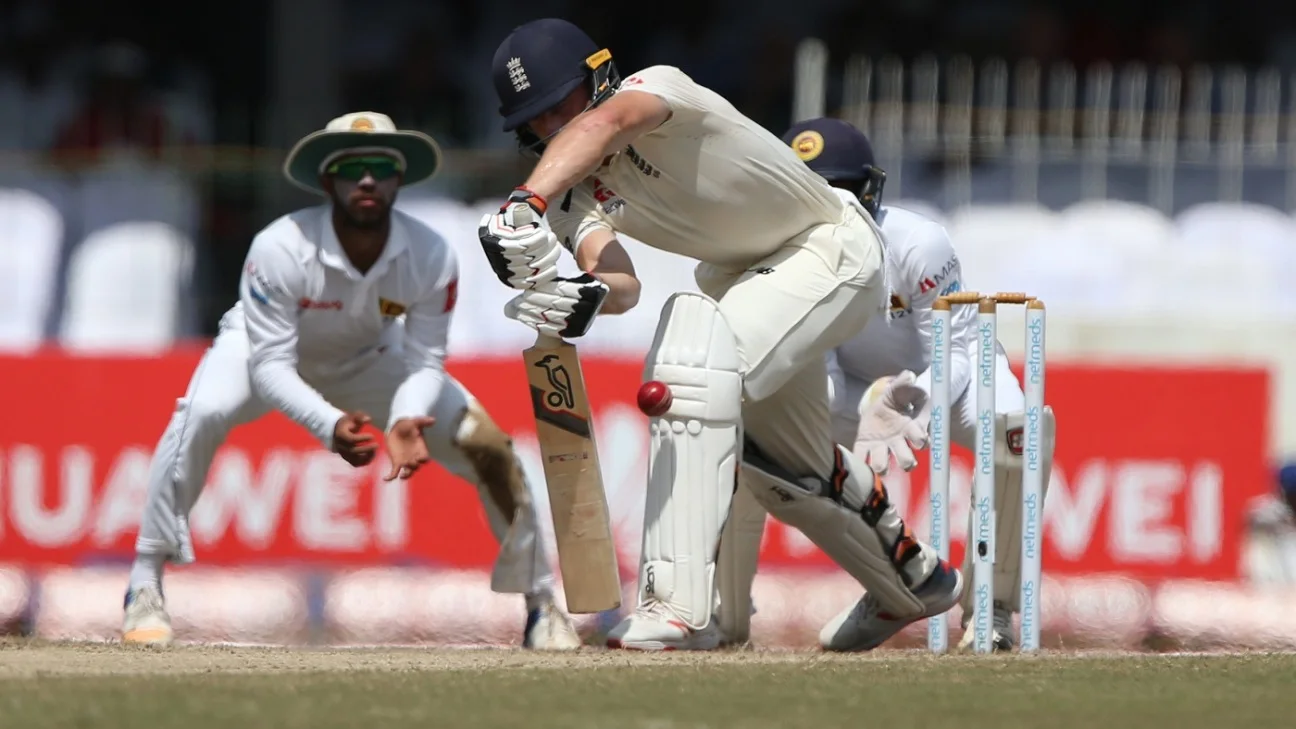
A batter can be given out LBW even when the ball pitches outside off stump, but only if they did not offer a shot. If the batter played a shot and missed, they are not out even if the ball would have hit the stumps. When no shot is offered, the umpire needs the impact to be in line with the stumps and the ball to be going on to hit them.
The LBW (Leg Before Wicket) law can lead to some very delightful complications of the game. Remaining confined to just the core specifics of the LBW law may not be sufficient. The scope of the LBW rules can further be boiled down to two sub-rules:
- Pitching Outside Off LBW Rule
- Pitching Outside Leg LBW Rule
Under the pitching outside leg LBW rule, a batter is given complete impunity and can’t be dismissed under any circumstances. However, those privileges are instantly taken away under the pitching outside off LBW rule. Not all is well for a batter in case of a cricket ball pitching outside off stump.
So why does the pitching outside off stump LBW rule exist in the first place, and what is it all about? And does LBW have to pitch in line for a LBW appeal to be valid? In this cricket rules and regulations guidebook, we will understand why pitching outside off stump is not out in some cases and look at some of the scenarios where a batter can be dismissed under the pitching outside off LBW rule. Hopefully, by the end of the article, you will be much better positioned to identify visible differences between pitching outside off stump vs pitching outside leg lbw rules.
Historic Context Behind Pitching Outside Off LBW Rule
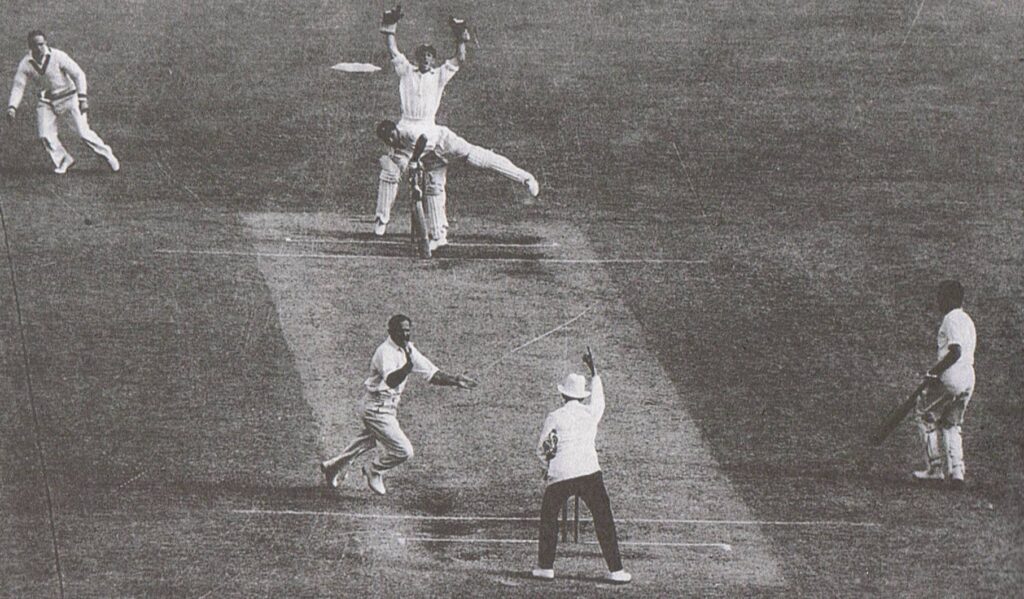
The LBW rules were first drafted in 1774 to counter the batter’s ability to deliberately drag their feet in the way to block the cricket ball. Over several generations, the LBW law underwent a series of refinements to clearly define under what circumstances a batter may be deemed out LBW. In the formative years, the cricket ball needed to be pitched exactly in line with the stumps for an LBW appeal to fall in the bowler’s favor. But at the turn of the 20th century, the LBW rules were amended slightly to incorporate the pitching outside off LBW rule, wherein a batter could risk being out under the LBW rule even if the ball was pitched outside off stump.
As a result, the luxury of intentionally padding the cricket ball away (a.k.a pad-play) was snatched from the batters once and for all. The batters now needed to either genuinely offer a shot or make a reasonable attempt to play, at any delivery pitching outside off. Under the current LBW out rule, a batter can be dismissed if the cricket ball pitches outside the off stump. Clause 36.1.2 of Law 36 of the Marylebone Cricket Club (MCC) specifies that, for an LBW appeal to be valid, the cricket ball must either pitch in line with the stumps or outside the off stump. Additionally, the point of impact is disregarded if the batter is not attempting a shot. (Refer Clause 36.1.4)
Official LBW Law Snapshot From MCC Website
36.1 Out LBW
The striker is out LBW if all the circumstances set out in 36.1.1 to 36.1.5 apply.
36.1.1 The bowler delivers a ball, not being a No ball
36.1.2 the ball, if it is not intercepted full-pitch, pitches in line between wicket and wicket or on the off side of the striker’s wicket
36.1.3 the ball not having previously touched his/her bat, the striker intercepts the ball, either full-pitch or after pitching, with any part of his/her person
36.1.4 the point of impact, even if above the level of the bails,
either is between wicket and wicket
or if the striker has made no genuine attempt to play the ball with the bat, is between wicket and wicket or outside the line of the off stump.
36.1.5 but for the interception, the ball would have hit the wicket.
What Do You Mean By Ball “Pitching Outside Off”?
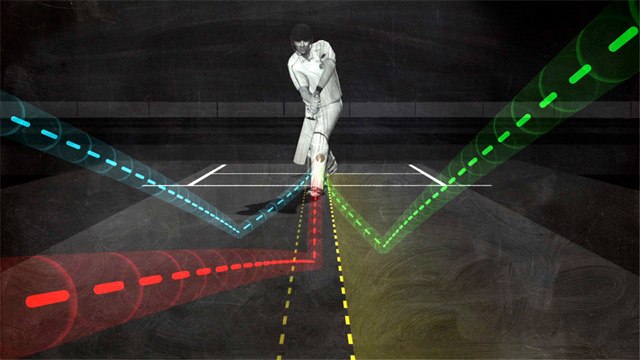
Any cricket ball that pitches outside the line of off-stump is considered to have been pitching outside off. As shown in the above graphic, the yellow dotted lines mark the off and the leg stump of a right-handed batter. The trajectory of the cricket ball marked in blue depicts ball pitching outside off. Alternatively, the trajectory of the ball marked in green depicts ball pitching outside leg. This will hopefully clear any doubts you might have about pitching outside off vs outside leg deliveries in cricket.
What Does “Impact Outside” Off Mean?
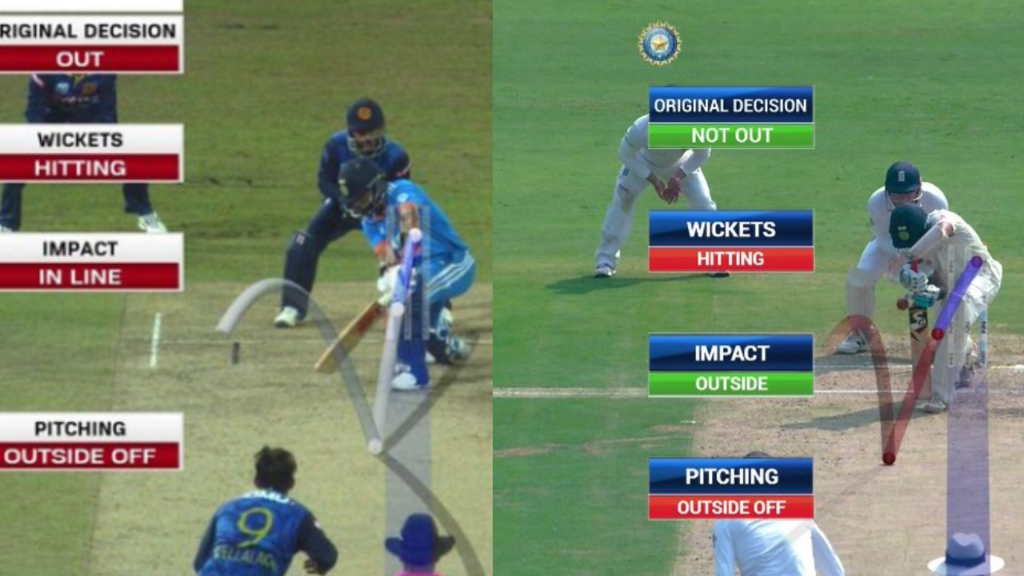
Pitching in line…..impact in line…….wickets hitting… by now, all of us have been far too familiar with this statement. But do they imply in real-time? And what is pitching and impact in LBW all about? Pitching outside off stump and pitching outside leg LBW rules are applied depending on where a cricket ball lands on a cricket pitch. So it all starts from where the ball pitches and the impact outside off lbw rule kicks in during the second phase. We now go a notch further to decipher the impact outside of meaning. It is a matter of fact that the LBW rules are decided based on the pitching and the impact of the ball. After pitching, the ball makes contact with a batter’s pad, and that is what illustrates what impact is all about. If impact in line with the stumps, then it’s a fairly straightforward LBW decision to make. However, if impact outside off, then the LBW appeal is decided based on impact outside off lbw rule. If any delivery were to strike the batter’s pads or body, which might be supposedly in line with the stumps, then the impact of the ball is deemed to be in line with the stumps. (Refer to the illustration on the left)
Similarly, if the ball hits the pads that are outside the line of the stumps, then the impact of the ball is deemed to be outside off. (Refer to the illustration on the right) If you are wondering whether the impact outside off LBW rule exists, then you’re on the right track. Under the LBW impact outside off condition, the batter will not be out provided he/she made a reasonable attempt to play a shot. So why is impact outside off not out? Under the impact outside off LBW rule, the batter is exempt from being given out, as the lawmakers feel that it protects batters from unfair dismissal when attacking or playing defensively outside the line of the stumps. Additionally, it forces bowlers to target the stumps and rewards the batter for attempting a stroke, rather than using pads to block.
Pitching Outside Off LBW Rule: When & Why Pitching Outside Off Is Out?

A batter can be adjudged out under the pitching outside off LBW rule in several different ways. If the cricket ball is pitching outside off and then goes on to make contact with the batter’s pad, then two primary aspects are looked at. Firstly, we start with the impact. If the point of impact with the pads is adjacent to the stumps, then the batter can qualify as an ideal LBW candidate. Even if the point of impact remains outside the line of the stumps, the batter can still be dismissed LBW if he/she fails to play a shot.
A typical example to consider would be a batter intentionally trying to deflect an in-dipping delivery away from a pacer or a spinner in an effort to block the cricket ball from crashing into the stumps. In such a scenario, the batter can be given out if the necessary criteria of the pitching outside off rule are ticked.
What Must Happen For a Batter To Be Out Under Pitching Outside Off LBW Rule?
- The ball must be pitching outside off stump.
- The point of impact should be in line with the stumps.
- If the point of impact is outside off stump, then the batter can be given out if he/she does not offer a shot.
Pitching Outside Off LBW Rule: When & Why Pitching Outside Off Is Not Out?
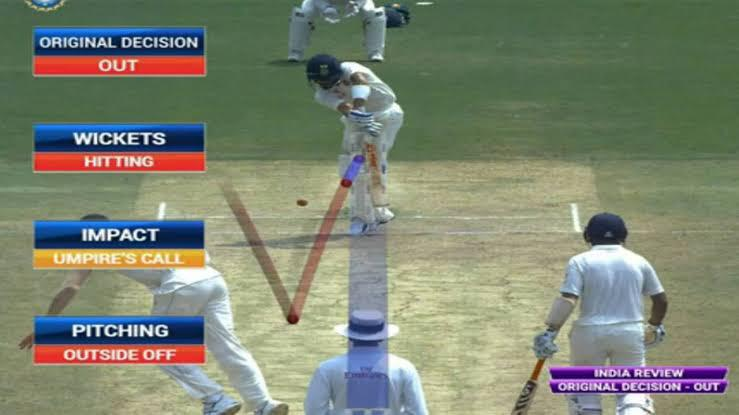
There is one major exception to the pitching outside off LBW rule. The pitching outside off LBW rule offers batters a slight degree of impunity to work with. So if the ball were to pitch outside off-stump channel, a batter will not be given out LBW if the impact happens to be outside the line of the stumps, provided the batter, while batting, was intending to play a shot. It’s left to the umpire alone to decide whether the batter was intending to offer a shot or not.
This is where the impact outside off stump clause comes into play. So, for instance, if a batter walks across his or her stumps to play on the leg side and the cricket ball goes on to hit the pads, the batter will survive if the point of impact is deemed to be outside the line of the stumps. However, this privilege under the impact outside off lbw rule is snatched the moment they decide not to offer a shot. So even if the cricket ball pitches outside off stump or, if the LBW impact remains outside off, then a batter can still be adjudged LBW if he/she DOES NOT play a shot.
What Must Happen For a Batter To Be Not Out Under Pitching Outside Off LBW Rule?
- The point of impact should be outside the line of the off stump.
- A batter must make an intention to play a shot
- A dreadful no ball can ruin a bowler’s chance of trapping the batter LBW.
Pitching Outside Off LBW Rule (Out vs Not Out Scenarios)
| Pitching outside off stump + impact in line + hitting stumps | ✅ Out |
| Pitching outside off stump + impact outside off while playing a shot | ❌ Not Out |
| Pitching outside off stump + impact outside off + no shot offered + wickets hitting | ✅ Out |
| Pitching outside off stump + wickets missing | ❌ Not Out |
FAQs on Pitching Outside Off LBW Rule
Can you be out LBW if the ball pitches outside off stump?
Yes, a batter can be out LBW if the ball pitches outside off stump, but only if no shot is offered and the ball would have hit the stumps.
Is pitching outside off automatically not out in LBW?
No, pitching outside off is not automatically not out. The decision depends on whether the batter offered a shot and if the ball would have hit the wickets.
What does “pitching outside off” mean in cricket?
Pitching outside off means the ball first bounces outside the line of the off stump before hitting the batter or pad.
What is the meaning of ball pitching outside leg?
The pitching outside leg means that the ball has landed outside the line of the leg stump, most commonly referred to as a batter’s blind spot.
What happens if impact outside off in a LBW appeal?
If the batter offers a shot and the impact is outside off stump, the batter is usually not out.
What does impact outside off stump rule imply in cricket?
The impact outside off LBW rule refers to the ball hitting the batsman outside the line of the off stump when attempting a shot.
What is the difference between pitching outside off and outside leg?
There are certain conditions in which a batter might be out under the pitching outside off rule. However, there is clearly no scope for a batter to be given out at all under the pitching outside leg lbw rule.
Found Our Cricket Coaching Guide Insightful?
With the right equipment, access to top experts, and the resources to grow, Cricvision can go the extra mile! If you’d like to be part of this journey, visit our donation page. Every contribution counts and directly fuels our growth.
Donate Now


3 responses to “Can a Batter Be Out LBW If Impact Is Outside Off? Pitching Outside Off LBW Rule Explained”
[…] with your foot in cricket, you also increase the chances of getting out LBW, especially under the pitching outside off rule in cricket. The point of impact is not a consideration if you do not offer a shot. So technically, […]
[…] But amid all this, a few brave souls still manage to stand up and make the most of the LBW rules to outfox the batters LBW. The trick is to bowl according to the fielding positions and ensure that no two deliveries are the same. The more the batter has to second-guess, the greater the chances are of getting dismissed under the LBW rule. […]
[…] Targeting the Stumps: In certain situations, bowlers can be much better off targeting the stumps with their googly ball. They might be best positioned to catch the batter under a misapprehension, who would presumably be assuming the ball to turn away from him instead of spinning back in. Furthermore, this inadvertently opens up your chances of trapping the batter bowled or LBW (Leg Before Wicket). […]