
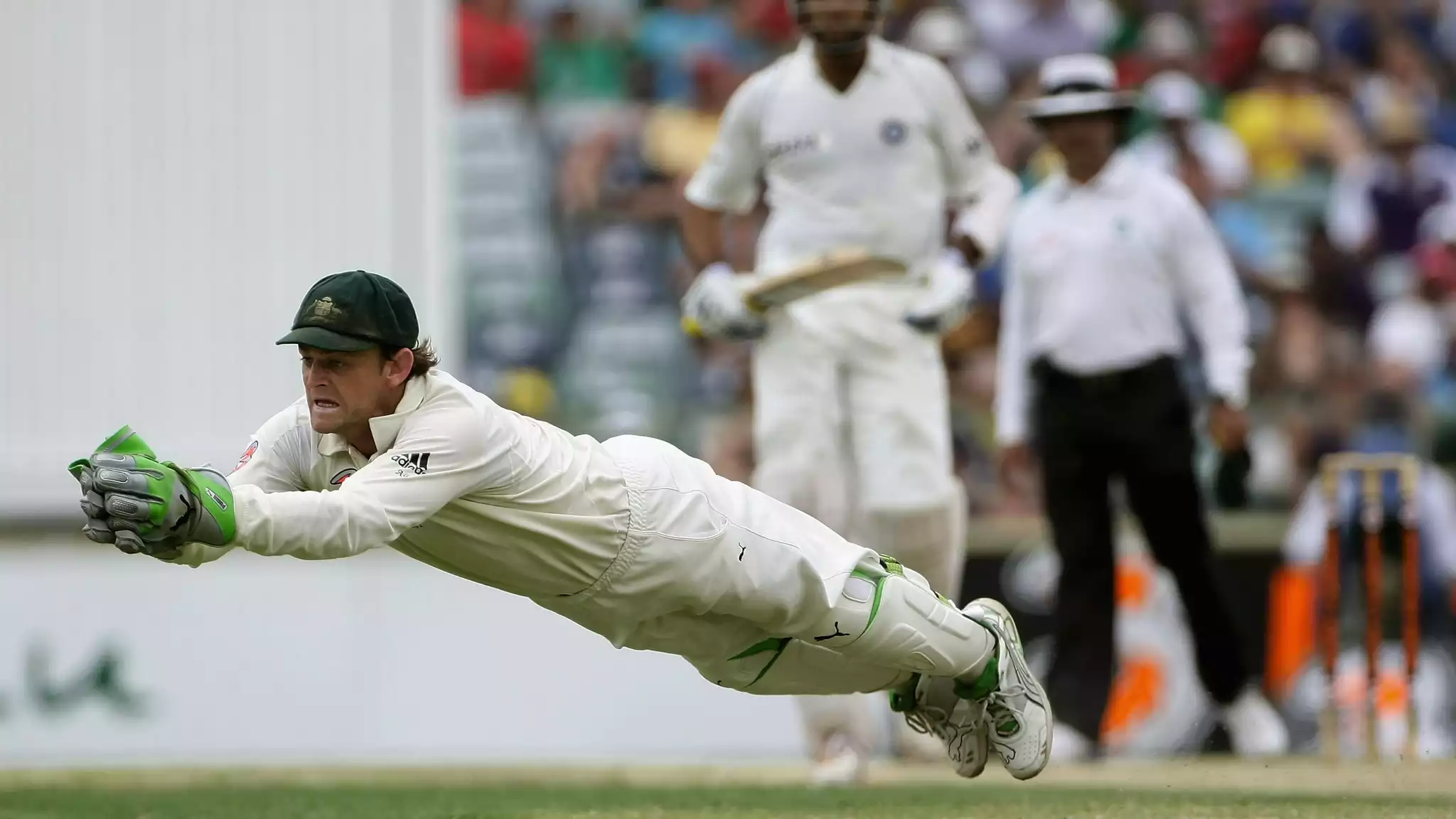
Wicket keeping is one of the most demanding roles in cricket, requiring sharp reflexes, agility, and constant focus. For young players, working on wicket keeping skills at a very early age can make a significant difference in their overall game. This makes cricket wicket keeping drills an indispensable part of their game plan.
Whether you’re training on the field or practicing in your backyard, the right mix of wicket keeping drills for juniors, proper wicket keeping drills equipment, and consistent effort can accelerate improvement. While outdoor sessions help simulate real match situations, wicket keeping drills at home ensure that keeping practice never stops, even without the availability of full facilities.
In this guide, we will suggest some easy ways to get up to speed with wicket keeping practice and list down key cricket wicket keeping drills & wicket keeping practice equipment required to become an improved cricketer.
Wicket Keeping Practice Equipment (How to Get Started)
Before diving into drills, it’s important to have the right wicket keeper training equipment. The good news is that you don’t need a full professional setup to begin with. Just a few key items from your wicket keeping practice equipment inventory are all you need.
Wicket Keeping Glove
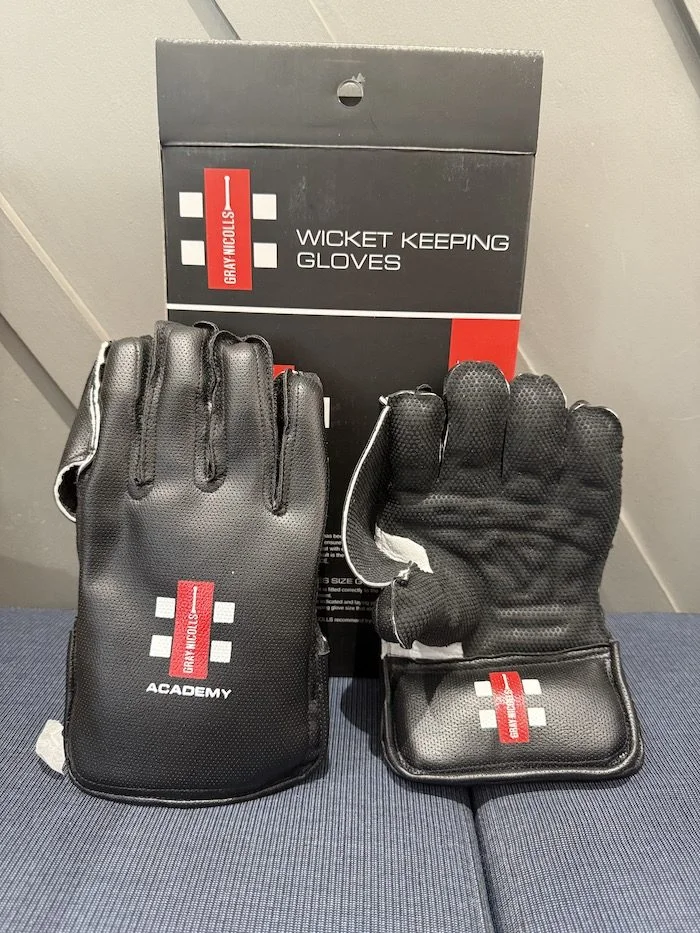
The most fundamental wicket keeping practice equipment for any keeper is to maintain a reliable pair of gloves. Having a good pair of gloves is essential for grip, protection, and overall keeping practice. Juniors should use lightweight gloves that allow flexibility while still offering cushioning.
Inner Gloves

Optional, but good to have in your inventory as a wicket keeping practice equipment. The inner gloves are worn inside the main gloves to absorb sweat and improve comfort during longer keeping practice sessions.
Cricket Balls (Hard & Tennis Balls)
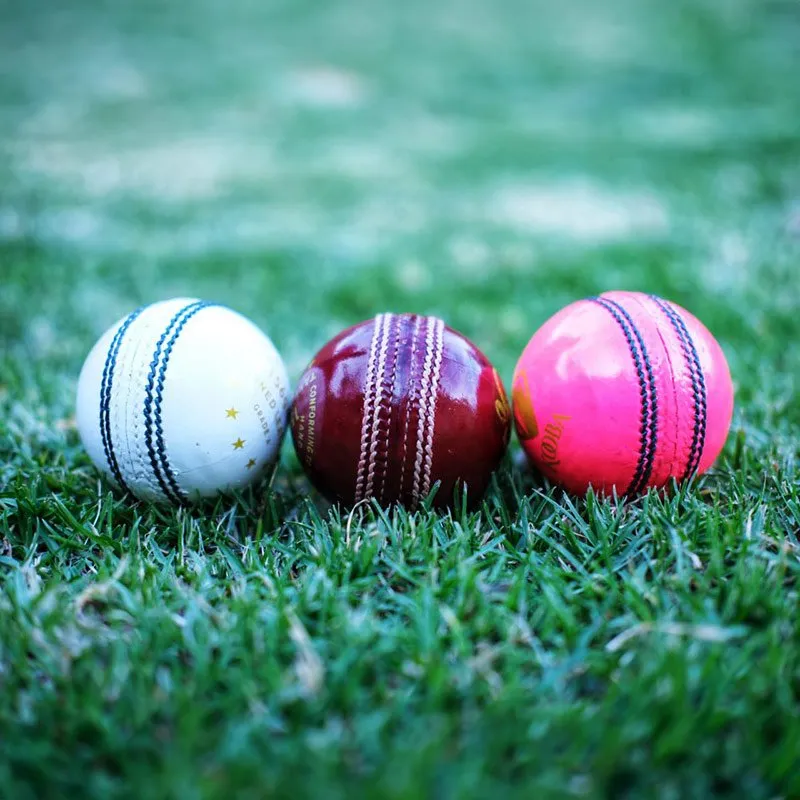
Another wicket keeping practice equipment essential for performing wicket keeping drills is a sufficient inventory of hard and soft cricket balls. Hard balls are ideal for match simulation, while tennis balls are perfect for beginners or for practicing at home with reduced risk.
Cones or Markers
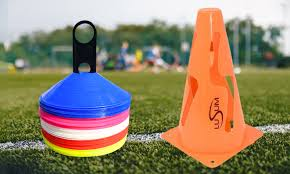
Cricket wicket keeping drills are incomplete without the use of cones and markers. These wicket keeping practice equipments are used to set up movement drills, cones help improve footwork and positioning, both of which are very critical aspects of wicket keeping drills.
Stumps
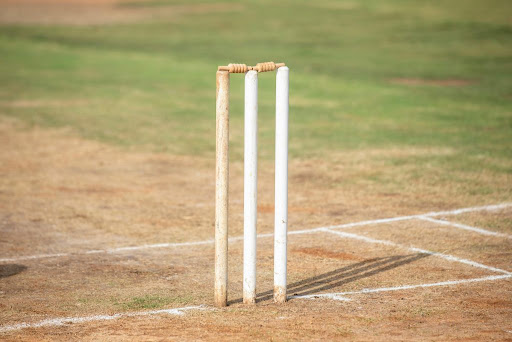
Another important element of your wicket keeping practice equipment is to have a set of stumps. Performing keeping practice with a set of stumps helps juniors work on positioning, stumpings, and building muscle memory.
Reaction Ball (Optional)
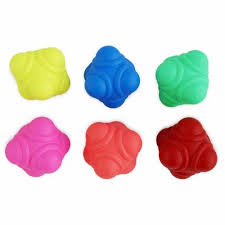
A reaction ball has an uneven surface, causing unpredictable bounces—perfect for improving reflexes. Having a reaction ball in your inventory can surely add an element of fun and make wicket keeping drills more enjoyable.
Coach or Partner
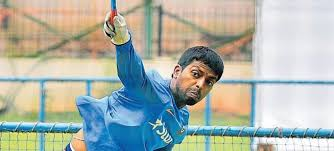
Unlike wicket keeping drills at home, outdoor keeping practice can’t be solely performed on your own. If you’re practising outdoors, then you will need to tag along with your coach or with your batting buddy, who will in turn help you recreate a real-match simulation.
Having the right set of wicket keeping practice equipment ensures that practice sessions are effective, safe, and closer to real-game scenarios. This also helps you prepare for the next phase of your wicket keeping traning which we are about to cover in our next section.
Cricket Wicket Keeping Drills for Juniors (Outdoor Focus)
Outdoor training is where juniors truly develop their wicketkeeping skills. These sessions allow players to react to real cricket ball movement, practice under pressure, and build match awareness. These outdoor cricket wicket keeping drills for juniors not only improve technical skills but also build confidence and match readiness.
Below are five highly effective cricket wicket keeping drills for juniors:
Basic Catching Drill
This is the foundation of all wicket keeping drills. A coach or partner throws or lightly hits the cricket ball toward the keeper. These wicket keeping drills for juniors build confidence and consistency.
What to focus on?
✅Focus on soft hands and clean collection
✅Maintain a low stance
✅Keep eyes level and head still
Side-to-Side Movement Drill
To perform this wicket keeping drill, set up cones on either side of the keeper. A coach throws balls alternately to the left and right. This is one of the most important wicket keeping drills for juniors, especially for handling edges.
Key benefits include:
✅Improves lateral movement
✅Enhances footwork speed
✅Teaches balance while collecting the cricket ball
Deflection Drill
A deflection board or angled bat is used to create unpredictable deviations. Alternatively, a reaction ball, which generally has a tendancy to react unpredictably, can also be used to perform this drill. Ideal for someone who is looking to sharpen their wicket keeping skills against spin bowling.
Key benefits include:
✅Simulates edges from batters
✅Improves reaction time
✅Trains keepers to adjust quickly
Standing Up to the Stumps Drill
The keeper stands close to the stumps while a bowler delivers at reduced pace. This is an essential part of advanced wicket keeping drills. This is an essential part of advanced wicket keeping drills.
Key benefits include:
✅Helps practice quick stumpings
✅Improves anticipation
✅Builds confidence standing up to spinners
High Catch and Recovery Drill
In this wicket keeping drill, the cricket ball is thrown high in the air, and the keeper must catch it and quickly return to position. This drill ensures juniors stay alert and ready for the next play.
Key benefits include:
✅Develops judgment of flight
✅Improves recovery speed
✅Builds overall agility
Distraction Drill
This form of wicket keeping drill recreates a real-match scenario for any budding keeper. The trick of this keeping drill is to keep your eyes focused on the ball and avoid distractions. Your coach or your batting buddy would attempt to block your view by waving the stumps, and your goal would be to catch the cricket ball without being fazed.
Key benefits include:
✅Better judgement & hand-eye coordination during events of distraction (wide down leg)
✅Improves reflexes
✅Sharpens focus & concentration
Cricket Wicket Keeping Drills at Home
Not every junior cricketer has access to a ground every day, which is why wicket keeping drills at home are essential for consistent improvement. The focus here should be on reflexes, coordination, and basic technique using minimal wicket keeping drills equipment.
Wall Rebound Drill
Stand a few feet away from a wall and throw a tennis ball against it.
✅React quickly to the rebound
✅Practice clean takes with soft hands
✅Vary the speed and angle for difficulty
This is one of the simplest yet most effective cricket wicket keeping drills at home.
One-Handed Pick-Up Drill
Roll or gently throw the ball along the ground and practice collecting it with one hand.
✅Improves hand-eye coordination
✅Builds confidence in low collections
✅Helps with quick recoveries
Tennis Ball Reaction Drill
Have someone throw tennis balls at short notice from close range.
What it does?
✅Sharpens reflexes
✅Improves reaction time
✅Can be done in small spaces
Shadow Footwork Drill
Practice your wicketkeeping stance and movement without a ball. Even without equipment, this is a valuable wicket keeping drill.
What you need to keep in mind?
✅Focus on staying low
✅Move side to side quickly
✅Maintain balance and posture
Soft Ball Stumping Practice
Use a soft ball and practice quick stumpings against a wall or with a partner.
What you need to keep in mind?
✅Focus on quick hands
✅Improve coordination between eyes and gloves
✅Build muscle memory
These cricket wicket keeping drills at home ensure that juniors continue to develop even without full training facilities. While they may not fully replace outdoor sessions, they play a crucial role in maintaining rhythm, improving reflexes, and building confidence.
Final Thoughts on Wicket Keeping Drills
Mastering wicketkeeping takes time, consistency, and the right approach. By combining effective wicket keeping drills, proper wicket keeping practice equipment, and a mix of outdoor and indoor training, juniors can steadily improve their skills.
Outdoor sessions remain crucial, as they replicate real match situations and help players develop reflexes, footwork, and awareness. At the same time, simple practice routines at home ensure that training continues even without access to a ground or full setup.
For young cricketers, the key is to stay consistent and focus on fundamentals. Start with basic drills, gradually introduce more advanced techniques, and always train with purpose. Over time, these wicket keeping drills for juniors will build the confidence and ability needed to perform behind the stumps.
For more information on cricket basics for beginners and cricket training tips, bookmark this page and keep an eye on our website for up-to-date content on cricket coaching topics.
Sharpen Your Basic Cricket Skills
Beginner-Friendly Guide On How To Play A Front Foot Drive
Your Complete Guide To How To Bowl A Googly in Cricket
How To Play a Sweep Shot in Cricket: Key Drills & Technique Decoded
Found Our Cricket Coaching Guide Insightful?
With the right equipment, access to top experts, and the resources to grow, Cricvision can go the extra mile! If you’d like to be part of this journey, visit our donation page. Every contribution counts and directly fuels our growth.
Donate Now