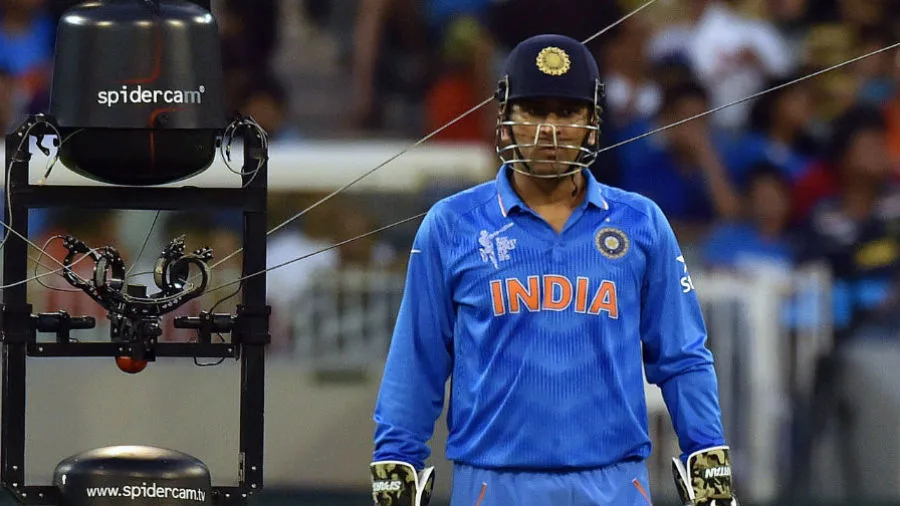
What happens if a cricket ball hits the Spidercam during a match? It is an unusual situation, but Spidercam has become a familiar part of modern cricket, particularly in fast-paced T20 games. When the ball strikes the camera, its cables or related equipment, the incident can immediately affect the status of the delivery.
While we might spare a thought for the poor spidercam or the operator running the device at the time, a burning question lingers. We ask ourselves the question: What happens when a cricket ball hits the spidercam? Is it a case of a no-ball rule, or does the ball become dead? In this article, we will try to eradicate this confusion and find out what the existing rules have to say when a cricket ball hits a spidercam.
What Happens When a Cricket Ball Hits the Spidercam?
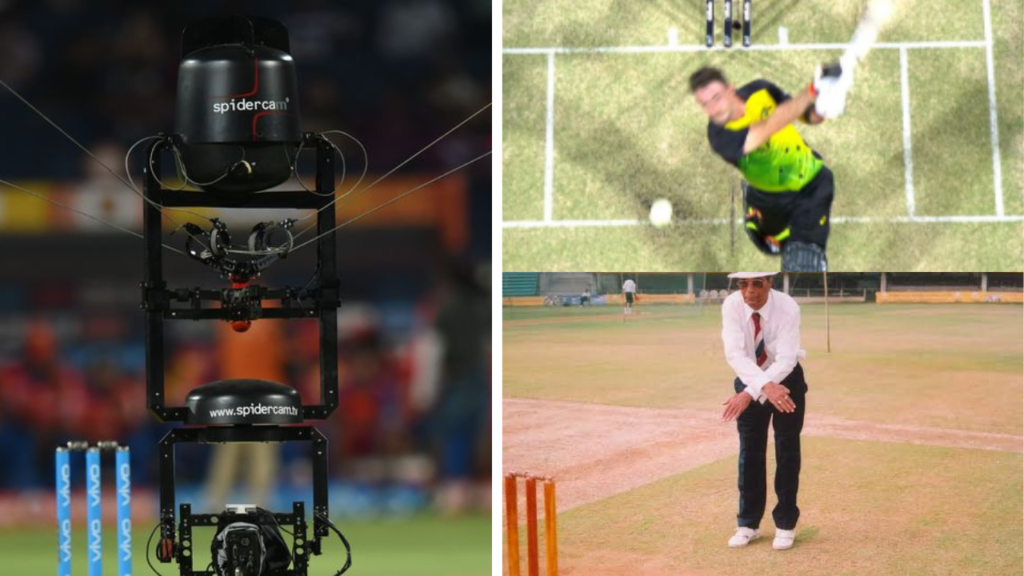
According to Clause 20 of the Dead Ball law of the ICC (International Cricket Council) playing conditions, if a cricket ball hits the spidercam or any external equipment hanging airborne, then the umpires must intervene to signal a dead ball. When a cricket ball hits the Spidercam or its supporting equipment during play, the delivery is immediately called a dead ball. The ball does not count as a delivery, no runs are awarded from the incident, and the batter cannot be dismissed from that delivery.
ICC Playing Condition – Ball striking Spidercam (Clause 20.1.1.3)
If the ball in play strikes the spidercam, its supporting cables, or equipment, the delivery is immediately declared a dead ball.
So what happens to the delivery when the ball hits the Spidercam? The ball does not count as one for the over, and no runs are recorded from the delivery. Even if the ball was heading towards the boundary, the contact with the Spidercam makes the delivery a dead ball. According to the rules, no batter is liable to be given out when a cricket ball hits the spidercam or any other recording device situated externally outside the ground.
Key Rules When a Cricket Ball Hits the Spidercam
- No runs are awarded to either of the two teams
- Unlike the no ball rule in cricket, no team is penalized for this mishap
- The delivery does not count as one for the over and needs to be rebowled
- No batter is to be dismissed as the ball becomes dead the moment a cricket ball hits the spidercam
Is There A Possibility Of A No-Ball When The Cricket Ball Hits The Spidercam?

When a cricket ball hits the spidercam, the possibility of a no ball might only arise if the bowler or the fielding side delivered a no ball before the incident took place. To put things in perspective, if a bowler had committed either a foot-fault no ball or any other form of no ball, then that extra one run would be credited to the batting side.
Similarly, if the umpire signals no ball due to possible wicket-keeper or fielding infringements before the cricket ball hits the spidercam, then the no ball call will prevail. The question of a wide call simply does not arise as the batter is deemed to have made contact with the ball.
Cricket Ball Hits The Spidercam: Final Thoughts
Spidercam in cricket is an aerial camera system used to provide moving views of the action from above and around the playing area. No runs are recorded from the incident, and the batter cannot be dismissed from that delivery. However, a no-ball can still apply if the fielding side committed a no-ball infringement before the Spidercam incident. It’s important to note that this rule is not merely confined to Spidercam alone. Contact with any external object outside the stadium will constitute a dead ball scenario. The purpose of this rule is to nullify the influence or any possible interference that might result from external forces.
Want to know what happens when a cricket ball is lost? Explore the rules governing a lost ball, how umpires replace it and what happens next on the field.
Links To Additional Cricket Ball Laws
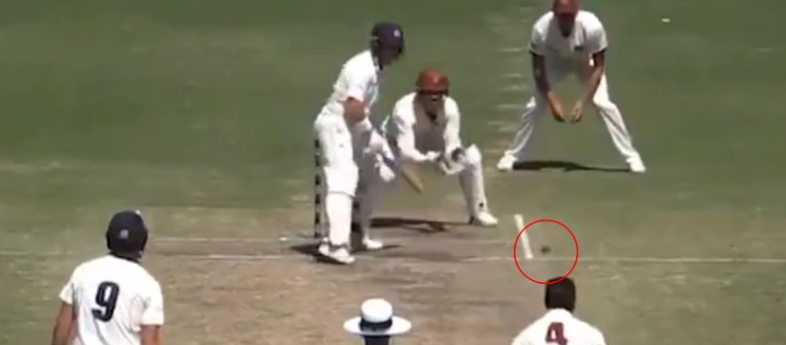
Ball landing outside the pitch:
Deal Ball & No-Ball?

Ball pitching outside off-stump:
Know exactly when a batter can be out LBW!