
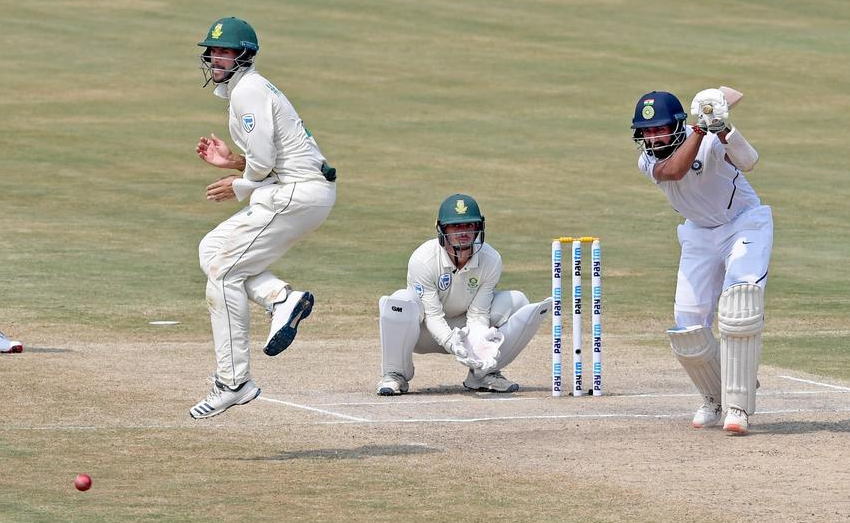
Playing spin bowling is one of the biggest challenges for batters in cricket, especially on slow or turning pitches where the cricket ball grips and deviates sharply after pitching. While good batters often possess strong defensive techniques, the real difference between surviving and dominating spin usually comes down to footwork. Using your feet effectively against spin allows batters to close down the turn, disrupt the bowler’s length, and create more scoring opportunities around the ground. Legendary batters such as Sachin Tendulkar and Virat Kohli have consistently used precise foot movement to control spinners and rotate strike with ease.
Using your feet against spin bowling helps batters take control of the bowler instead of reacting passively from the crease. Good footwork allows players to reach the pitch of the ball earlier, reducing the amount of turn generated after pitching. It also helps batters manipulate field placements, rotate strike regularly, and put pressure back on the spinner.
In this guide, we will break down step-by-step batting techniques, movement patterns, lofted shot options, and practical drills, guiding you on how to use feet against spin in a calculated manner.
Step-by-Step Guide on How to Use Feet Against Spin
1. Watch the Ball Early From the Bowler’s Hand
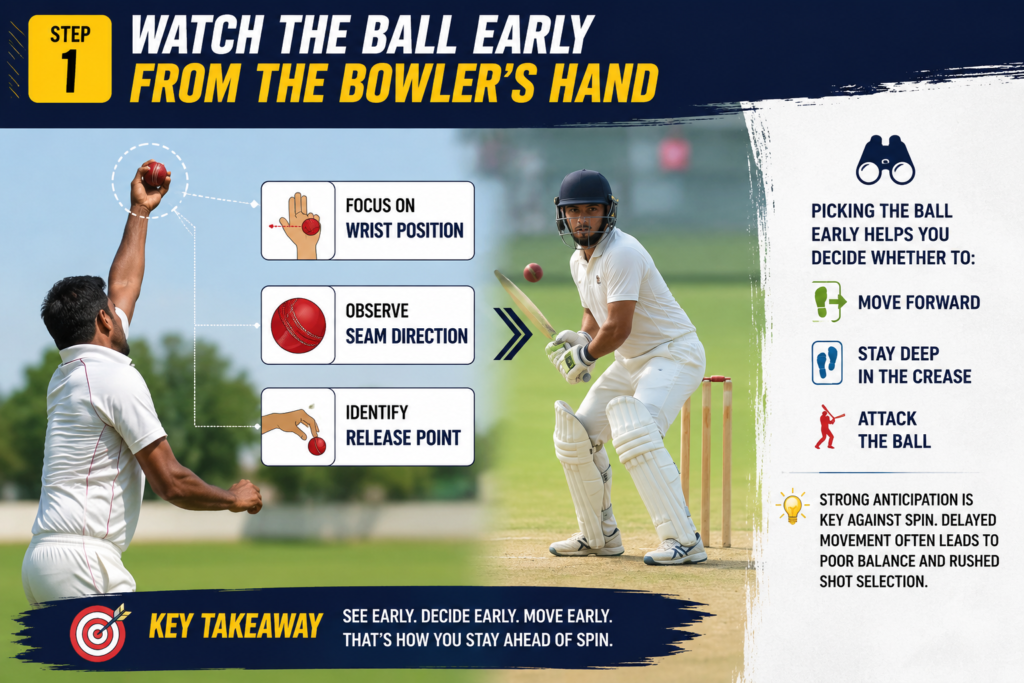
Everything begins with reading the spinner early. Try to focus on the bowler’s wrist position, seam direction, and release point immediately after delivery. Picking the cricket ball early helps batters decide whether to move forward, stay deep in the crease, or attack.
Strong anticipation is one of the most important skills while batting against spin bowling because delayed movement often leads to poor balance and rushed shot selection.
2. Commit Fully Forward or Fully Back
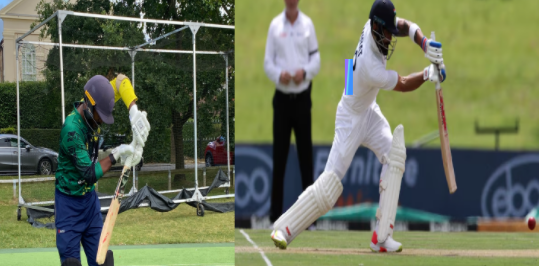
One of the biggest mistakes batters make against spin is getting caught halfway between front foot and back foot. Effective footwork requires clear and decisive movement.
Here is what you need to do:
✅Move fully forward to smother spin
✅Move deep into the crease to create time
✅Avoid getting stuck on the crease line
Bottom Line: Front-foot movement is especially effective against fuller deliveries because it reduces the amount of turn available to the spinner.
3. Use Small Trigger Movements Before Release
Small trigger movements help batters stay light on their feet and be prepared to react quickly. A slight press forward or small shuffle before the cricket ball is released can improve rhythm and reaction time.
Here is what you need to do:
✅Improve balance
✅Reduce stiffness
✅Prepare the body for quick adjustment
Bottom Line: Good batters rarely remain completely static while facing spin.
4. Get Close to the Pitch of the Ball
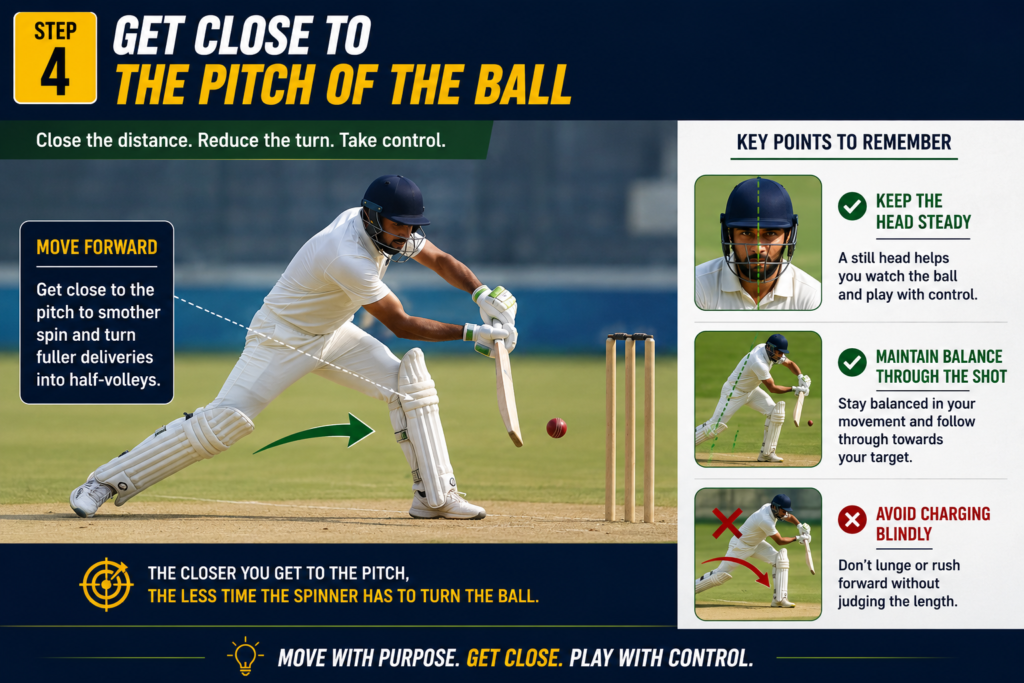
Advancing down the pitch is one of the most effective ways to attack spin bowling. By getting close to the cricket ball, batters can neutralize spin and convert fuller deliveries into half-volleys.
Here is what you need to do:
✅Keep the head steady
✅Maintain balance through the shot
✅Avoid charging blindly
Bottom Line: This technique is commonly used by aggressive players to disrupt the bowler’s length and confidence.
5. Keep Your Head Balanced During Movement
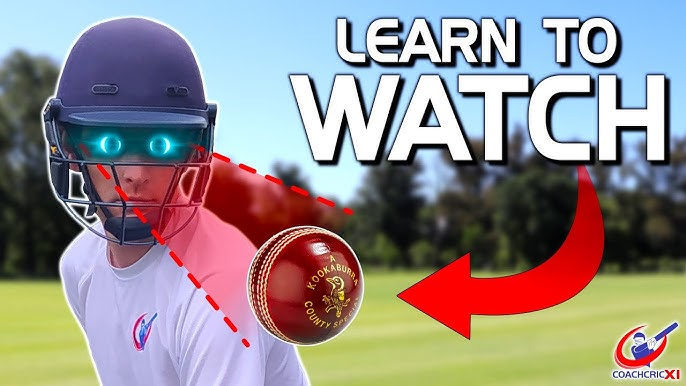
Footwork alone is not enough without proper body balance. The head should remain stable and aligned over the cricket ball during movement. Poor head position often results in mistimed drives, edges, and poor shot control.
Here is what you need to do:
✅Keep eyes level
✅Avoid falling sideways
✅Transfer weight smoothly through the shot
Bottom Line: Balanced movement is what separates controlled attacking batting from reckless charging.
How To Use Feet Against Spin While Playing Lofted Shots
Not all shots while stepping out have to be grounded. One of the most exhilarating aspects of using your feet against spin is that it gives you the ability to punish the bowler with utter disdain. A well-executed shot against spin can be highly effective when proper footwork and balance are combined. Lofted shots against spin bowling, in particular, allow batters to put the spinner under immediate pressure.
The above batting tutorial on how to use feet against spin highlights the importance of maintaining a strong base and a free swing of the bat. Instead of swinging wildly from the crease, batters should first reach the pitch of the cricket ball before attempting elevation. Advancing towards the spinner reduces spin deviation and allows cleaner contact through the line of the ball
Key Takeaways from the tutorial:
✅Move early and decisively
✅Get close, but not too close to the pitch of the ball (By not coming too close, you allow yourself the room to swing through the line of the ball)
✅Maintain a strong base and a still head
✅Extend the bat swing fully through the line
Can You Stop the Ball With Your Foot in Cricket

Now then. Can you reall top the ball with your foot in cricket? Technically, it is possible to stop the ball with your foot in cricket. However, with no bat involved, this shot against spin is hardly productive and will not fetch you any runs. According to the laws of the game, leg byes can’t be credited if the batter does not offer a shot. But this shot against spin does offer the batter some protection, especially when they are unsure about which way the cricket ball would turn.
23.2.1 If a ball delivered by the bowler first strikes the person of the striker, runs shall be scored only if the umpire is satisfied that the striker has
Leg Bye (MCC Law 23)
either attempted to play the ball with the bat
or tried to avoid being hit by the ball.
While batting against spin bowling, you always need to be one step ahead of the spinners. By stopping the ball with your foot in cricket, you also increase the chances of getting out LBW, especially under the pitching outside off rule in cricket. The point of impact is not a consideration if you do not offer a shot. So technically, this shot against spin will likely result in your downfall, and can’t be deployed as your trademark shot. So can you stop the ball with your foot in cricket? Of course you can, but not at the expense of your wicket!
How To Use Feet Against Spin: Top Drills to Improve Footwork
Cone Movement Drill
Place cones both forward and backward inside the batting crease. A coach or throwdown specialist calls either “front” or “back” before releasing the ball, forcing the batter to react quickly with decisive foot movement.
Key Benefits:
- Improves reaction speed
- Develops quick foot adjustment
- Encourages decisive movement patterns
Advance-and-Defend Drill
In this drill, the batter repeatedly advances down the pitch and practices defending the ball under control rather than attacking aggressively. The focus remains on balance, body alignment, and reaching the pitch of the ball.
Key Benefits:
- Improves confidence against spin
- Helps batters smother turn
- Builds front-foot control and balance
Drop Ball Footwork Drill
A coach drops tennis balls randomly in front of the batter, forcing them to move quickly and collect the ball after the bounce. This develops agility, balance, and movement coordination.
Key Benefits:
- Improves foot speed
- Enhances balance and coordination
- Develops quicker lower-body reactions
Common Mistakes To Avoid in How To Use Feet Against Spin
Staying Stuck in the Crease
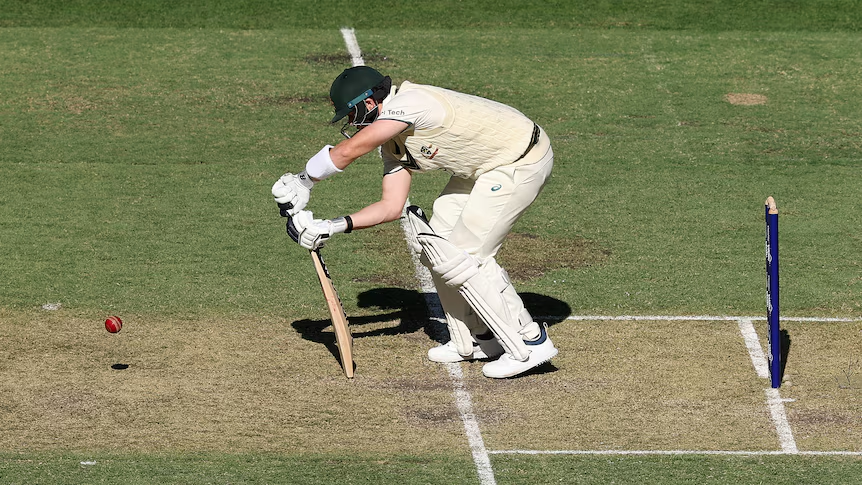
Static footwork is one of the biggest reasons batters struggle against spin. Remaining rooted to the crease allows the spinner to dictate length and extract maximum turn.
Charging Too Early & Without Balance
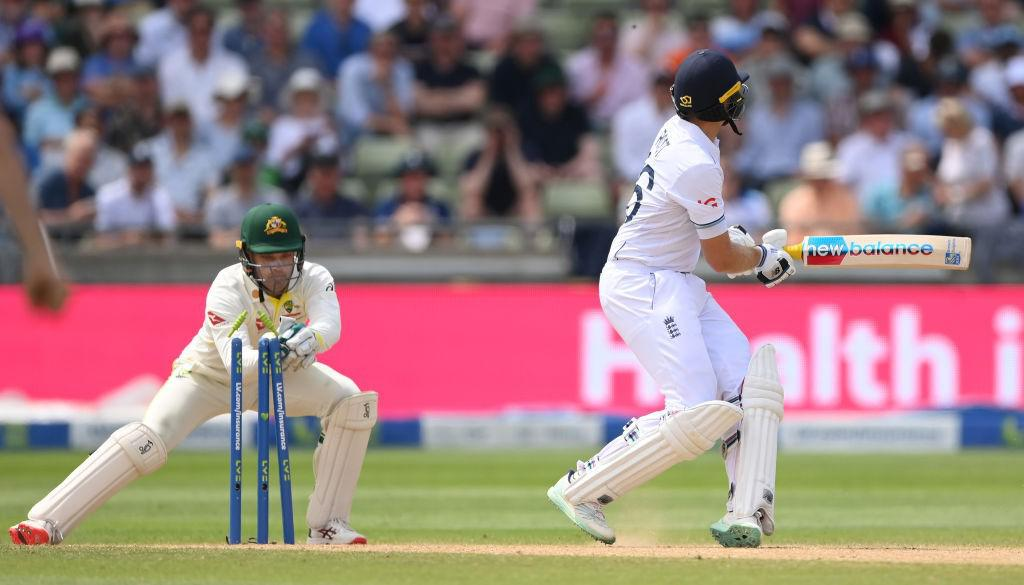
Many batters attempt to attack spin aggressively without proper body control. This often leads to stumping chances and mistimed lofted shots.
Playing Across the Line Too Early
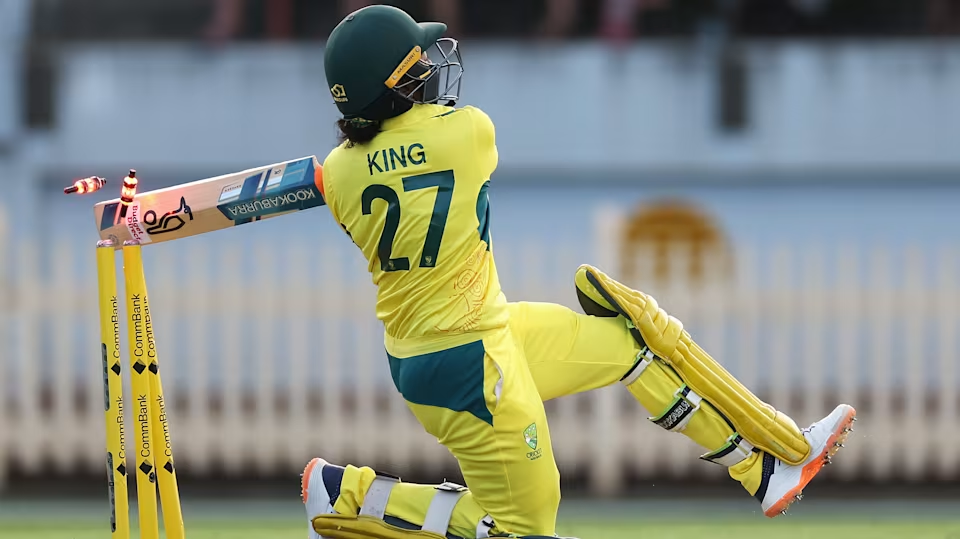
Playing across the line of the ball poses an imminent risk to a batter’s longevity at the crease. On spin-friendly conditions where the ball tends to grip, batters often get into trouble while using their feet. Playing across the line or selecting the wrong shot against spin often results in leading edges or stumping opportunities. This presents an opportunity for a leading-edge or stumping, either of which is not ideal enough if you’re looking to dominate the spinners with your feet.
Final Thoughts on How To Use Feet Against Spin
Strong footwork is one of the most important skills required while batting against spin bowling. It allows batters to select the correct shot against spin, dominate the bowler’s length, and create consistent scoring opportunities. Whether moving forward to smother spin or going deep into the crease to create time, decisive movement helps batters stay balanced, control the bowler’s length, and create scoring opportunities around the field. Batters who use their feet effectively are often able to disrupt the spinner’s confidence and prevent them from settling into consistent attacking lines.
We hope you found our batting guide useful and look forward to seeing you apply those learnings in real-time. Don’t forget to bookmark this page and keep an eye on our cricket coaching resources page for the latest cricket tips and insights.
Recommended Coaching Guides On Batting
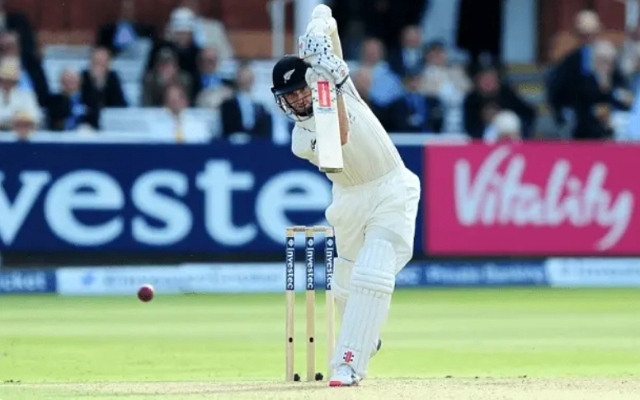
How to Play the Front Foot Drive in Cricket (Step-by-Step Guide for Beginners)
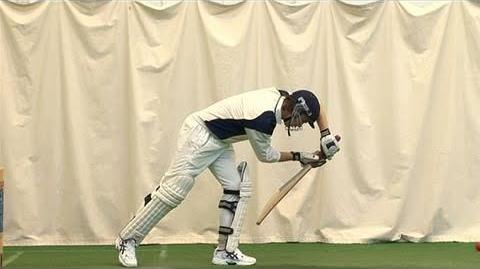
Front Foot Defence in Cricket (Forward Defence): Step-by-Step Technical Guide
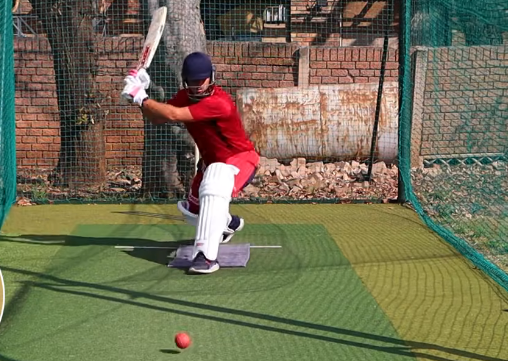
How To Play a Sweep Shot in Cricket: Key Drills & Technique Decoded
Looking to Share Your Cricket Coaching Expertise?
We’d love to work with passionate cricket experts like you. Whether you’re a coach or part of an academy, collaborate with us to create high-quality content and help make cricket coaching free and accessible to everyone.
Collaborate With Us