At some point in your life, you must have wondered what is a carrom ball in cricket. The carrom ball is one of the most deceptive deliveries in modern cricket and has become a prized weapon in the arsenal of many elite finger spinners. Unlike a conventional off break that rolls off the index finger, the carrom ball in cricket is released by flicking the ball between the middle finger and thumb, causing it to spin away unexpectedly from the batter. On dry, turning surfaces, this subtle variation can beat the outside edge, induce false shots, and even disturb the stumps if executed with precision. While mastering the release requires patience and repetition, the rewards can be immense for bowlers looking to outfox batters with deception rather than sheer turn.
In this guide, we’ll teach you how to bowl a carrom ball step by step, covering the carrom ball grip, wrist position, release, bowling length, and practical drills to help you develop this highly effective variation.
Where To Bowl A Carrom Ball
A successful carrom ball in cricket relies just as much on line and length as it does on the release. Against a right-handed batter, the ideal line is usually around the leg stump or middle-and-leg stump line. From this angle, the cricket ball spins away from the batter after pitching, tempting them into playing at a delivery that can beat the outside edge or clip the off stump.
Length is equally important. As a general guide, the cricket ball should pitch approximately 4–6 metres in front of the batter, allowing it enough time to grip the surface and generate deviation. Bowling too full often turns the delivery into a half-volley, while dropping it too short gives the batter enough time to adjust and play comfortably off the back foot.
The carrom ball becomes particularly dangerous on dry, abrasive wickets that offer assistance to spin bowlers. On helpful surfaces, subtle changes in spin and bounce make it difficult for batters to judge the direction of the cricket ball, increasing the chances of edges, bowled dismissals, and LBW opportunities.
How to Bowl Carrom Ball: Step-by-Step Breakdown
Here is a step-by-step breakdown of how to bowl carrom ball in cricket. The tutorial above touches upon key basics of carrom ball bowling, including having the correct carrom ball grip and release.
Carrom Ball Grip
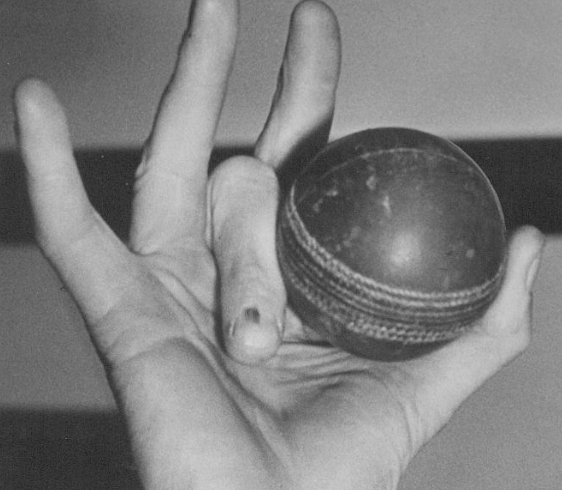
Hold the cricket ball comfortably between the thumb, middle finger, and ring finger while allowing the middle finger to play the dominant role during release. The grip should feel relaxed rather than tight, enabling the fingers to generate maximum revolutions without restricting the natural flicking motion.
Carrom Ball Wrist Position
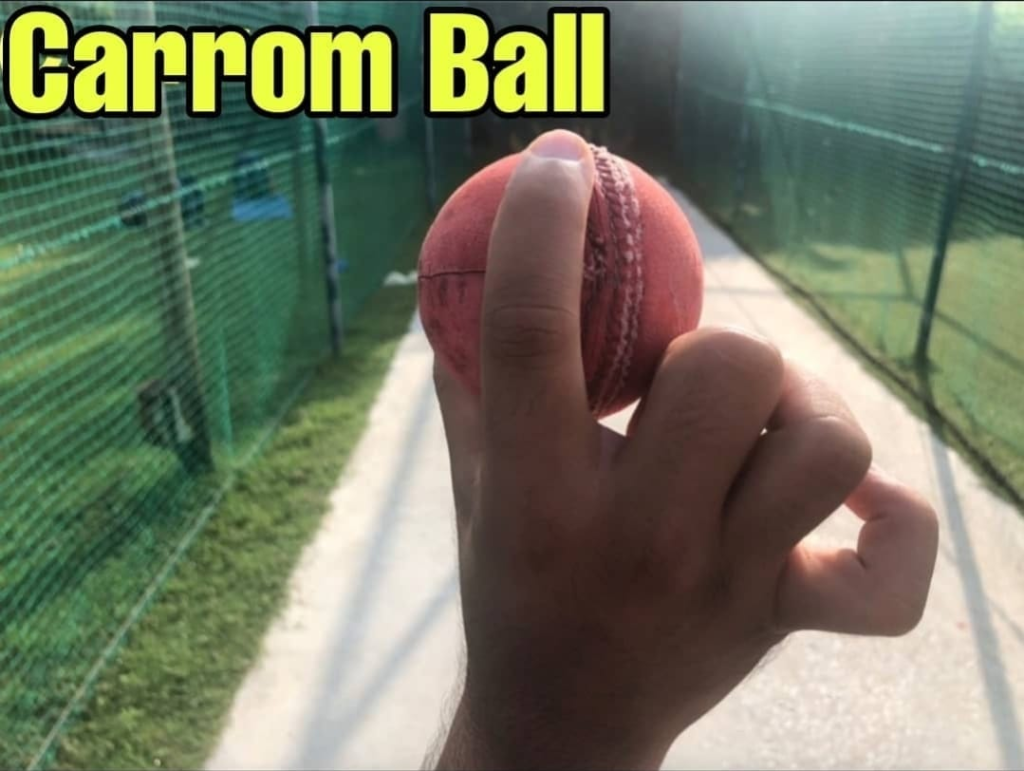
Keep the back of the wrist facing the batter throughout the delivery stride. Maintaining a stable wrist helps disguise the variation and prevents unnecessary changes in your bowling action. Avoid excessive wrist rotation, as it can alert the batter that a variation is about to be delivered.
Carrom Ball Release
The release is the defining feature of the carrom ball grip. Instead of rolling the cricket ball off the fingers like a conventional off break, the middle finger and thumb work together to flick the ball from the front of the hand. The snapping action imparts rapid side spin while keeping the seam relatively upright. The cleaner the flick, the greater the revolutions on the cricket ball and the sharper the deviation after pitching.
Bowling Action & Follow Through
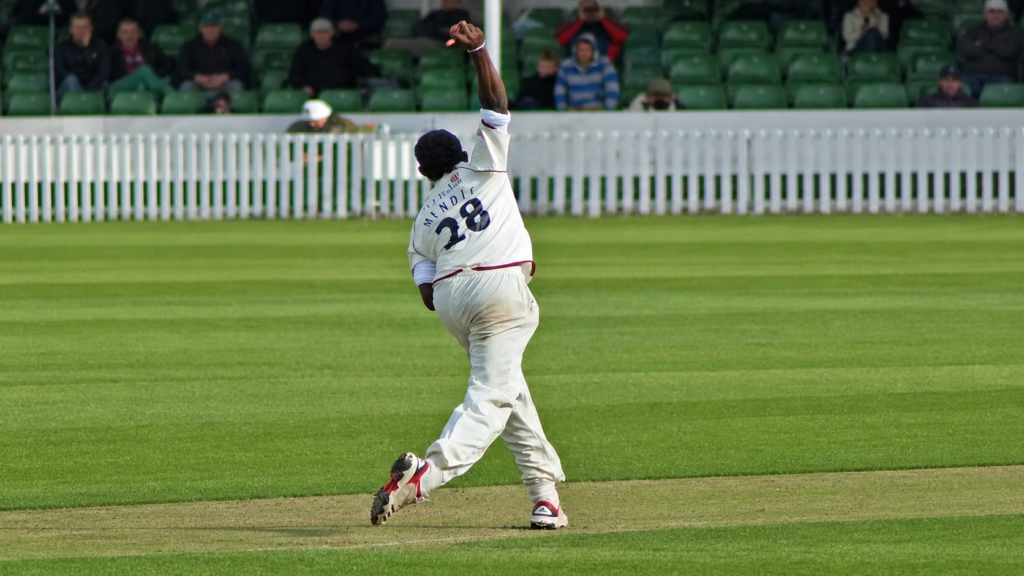
Your bowling action should remain identical to your stock delivery. Avoid slowing down the arm speed or making noticeable adjustments to your run-up, wrist position, or follow-through. Skilled batters often look for subtle cues before releasing the cricket ball, so disguising the carrom ball until the very last moment significantly improves its effectiveness.
Carrom Ball Drills
To be able to consistently deliver the carrom ball with the right technique, you’ll need to practice this variation bowl tirelessly. With the right set of spin bowling drills, you will be able to achieve and execute your dream carrom ball in cricket.
Finger Flick Drill
Without bowling, repeatedly practise flicking the cricket ball using only the middle finger and thumb. This strengthens the muscles responsible for generating spin and improves consistency.
Wall Release Drill
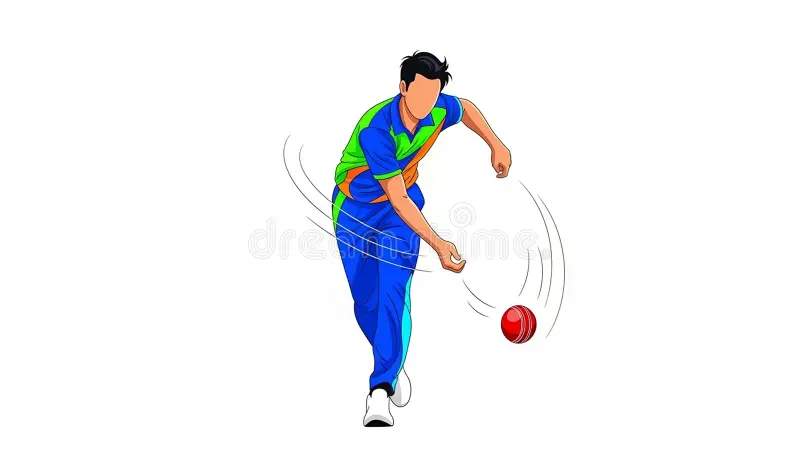
Stand a few metres away from a wall and repeatedly flick the ball using the carrom ball release. Focus on clean revolutions rather than speed.
Target Length Drill
Place markers approximately 4–6 metres in front of the batter’s crease and attempt to land consecutive deliveries within the target zone. This develops control over line and length.
Match Simulation Drill
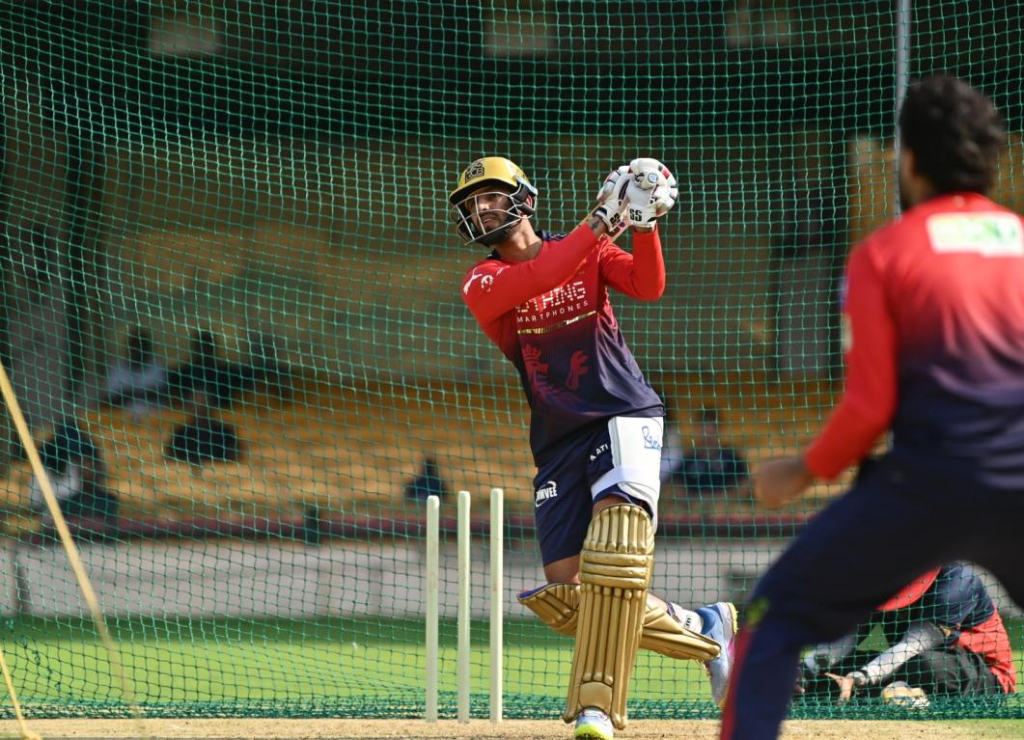
Alternate between conventional off breaks and carrom balls without changing your action. Ask a teammate (preferably a batter in the nets) to identify the variation before the cricket ball pitches. If they consistently struggle to pick it, your disguise is improving.
Pioneers of the Carrom Ball

Ravi Ashwin 🇮🇳

Ajantha Mendis 🇱🇰

Rangana Herath 🇱🇰

Maheesh Theekshana 🇱🇰
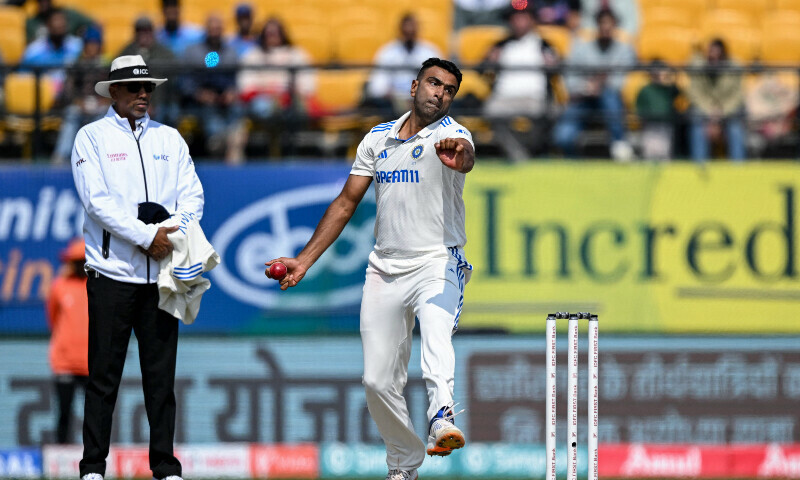
The carrom ball gained worldwide recognition through several world-class finger spinners, but Ravichandran Ashwin is widely regarded as one of its finest modern exponents. His ability to disguise the delivery while maintaining control has made it one of his most effective wicket-taking weapons. Sri Lankan spinners have also played a significant role in popularising this unique variation at the highest level.
Ravichandran Ashwin
Ashwin has mastered the carrom ball through years of refinement, using it to deceive both right- and left-handed batters. Combined with his exceptional game awareness, it has contributed to his remarkable tally of 550+ Test wickets.
Ajantha Mendis
Often credited with introducing the carrom ball to a global audience, Mendis baffled international batters during the early stages of his career with his unpredictable variations and disguised releases.
Rangana Herath
Although primarily known as a traditional left-arm spinner, Herath occasionally relied on subtle finger variations to keep batters guessing and enjoyed tremendous success in Test cricket with 400+ wickets.
Maheesh Theekshana
Theekshana has adapted the carrom ball for modern white-ball cricket, using it extensively during the powerplay and middle overs to restrict scoring and dismiss aggressive batters.
Closing Thoughts On How To Bowl Carrom Ball
Learning how to bowl a carrom ball takes time, patience, and hundreds of repetitions. While the grip and release may initially feel unnatural, consistent practice gradually improves finger strength, control, and confidence. Focus on mastering the carrom ball grip, maintaining a repeatable bowling action, and landing the ball on a challenging length before worrying about extravagant turn.
As your confidence grows, combine the carrom ball with your stock off break to create uncertainty in the batter’s mind. When both deliveries are released from an identical action, the batter has very little time to recognise the variation, making the carrom ball one of the most dangerous weapons in a spinner’s arsenal.
Continue refining your skills through purposeful drills and regular match practice. For more expert coaching advice on batting, bowling, fielding, and wicketkeeping, explore our Cricket Resources page for the latest cricket tips, drills, and step-by-step coaching guides.
Spin Bowling Resources & Tips
Decoding The Art Of Leg Spin Bowling Step-by-Step
What is a Googly Ball in Cricket & How To Bowl It: Grip & Release Fundamentals Explained
Off Spin Bowling Grip and Release Fundamentals (Beginner-Friendly Guide)
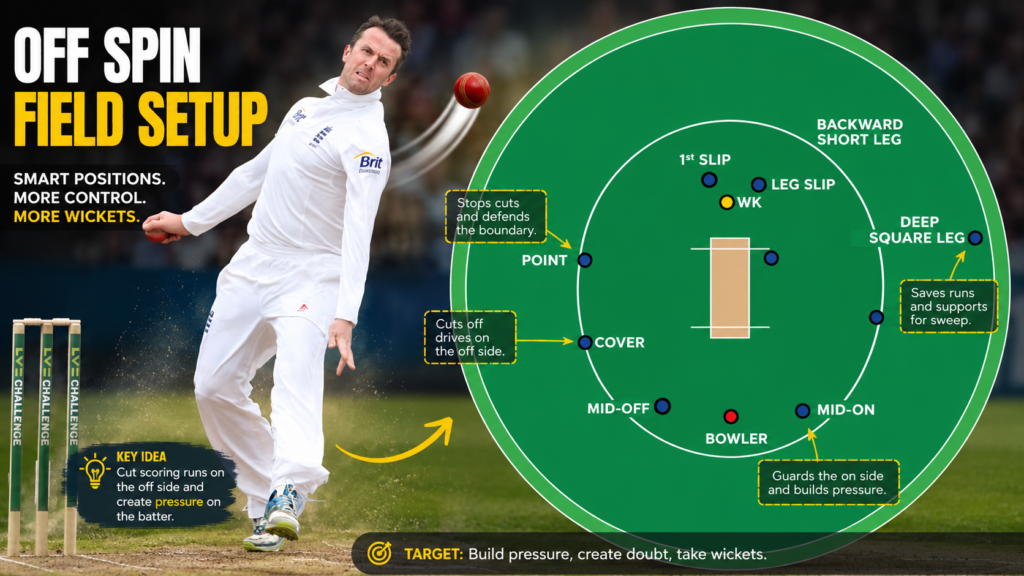
Off Spin Bowling Hacks: Spin a Web Around Batters With These Key Fielding Positions
Found Our Cricket Coaching Guide Insightful?
With the right equipment, access to top experts, and the resources to grow, Cricvision can go the extra mile! If you’d like to be part of this journey, visit our donation page. Every contribution counts and directly fuels our growth.
Donate Now