
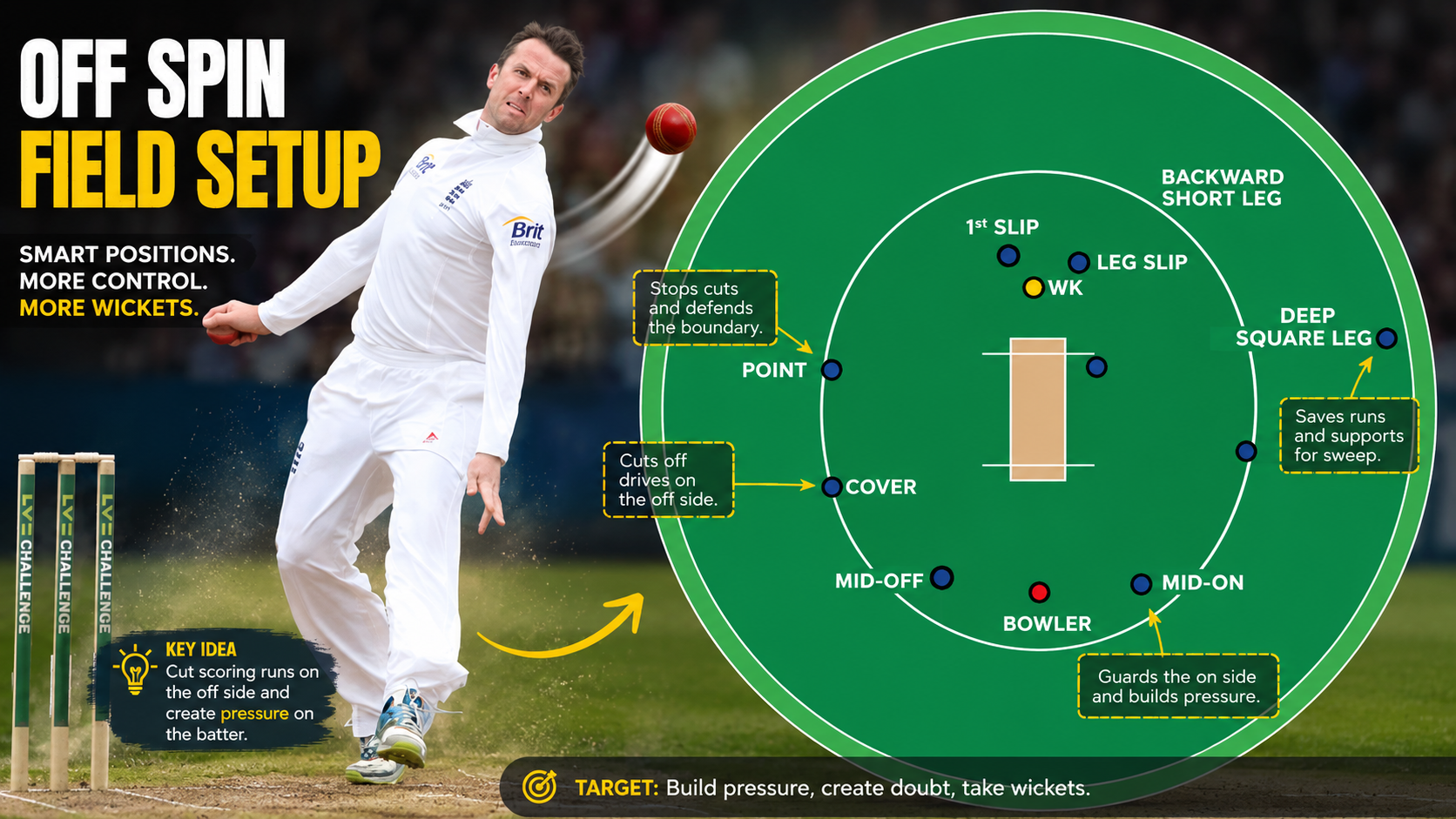
Off spin is much more than simply turning the cricket ball from off to leg. A successful off spinner combines an effective off spin technique, subtle variations, and the correct off spin field settings to keep batters under constant pressure. Choosing the best field for an off spinner depends on the batter, match situation and bowling plan. Choosing the right off spinner fielding position can often be the difference between building pressure and taking wickets. Whether you’re trying to attack a new batter with close catchers or defend against an aggressive hitter with boundary riders, selecting the correct cricket fielding positions can make all the difference.
For anyone learning how to bowl off spin for beginners, understanding field placement is just as important as mastering off spin and release fundamentals. The right field not only restricts scoring opportunities but also creates wicket-taking chances, while the right off spinner field positions can encourage batters to play specific shots. Throughout this guide, we’ll reveal all fielding positions in cricket that every aspiring off spinner should know and explain how each position contributes to building pressure and taking wickets.
Understanding Off Spin Bowling & Field Settings
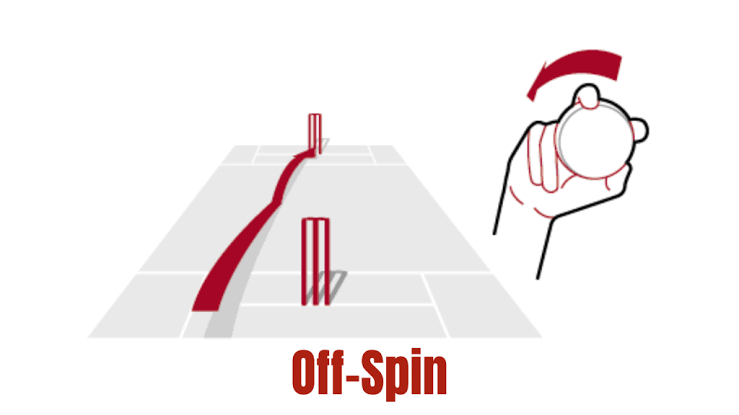
Before learning the ideal cricket fielding positions, it’s important to understand how off spin works. An off spinner primarily bowls the off break delivery, causing the cricket ball to spin from the off side towards the leg side after pitching to a right-handed batter. By combining drift through the air, a subtle dip before pitching, and a sharp turn off the surface, off spinners induce false strokes from the batters.
Mastering off spin is not just about spinning the cricket ball as much as possible. A good spinner constantly changes pace, flight, and trajectory to deceive batters while using intelligent fielding positions in cricket to support every delivery. These off spin and release fundamentals allow bowlers to build pressure over multiple overs instead of relying on a single magic ball. Whether you’re exploring how to bowl off spin for beginners or refining your existing off spin technique, understanding how the field complements your bowling plan is one of the biggest steps towards becoming a successful spin bowler.
Off Spin and Release Fundamentals: Setting the Right Fielding Positions in Cricket
Every successful off spin spell is supported by the correct off spin bowling field settings, a well-planned off spin field setup, and carefully selected cricket fielding positions. Depending on the match situation, the batter’s intent, and the amount of assistance available from the pitch, captains generally choose between three types of fielding positions in cricket—an attacking field, a conventional field, or a defensive field. Let’s explore all fielding positions in cricket that can help an off spinner attack, contain runs, and create wicket-taking opportunities.
Attacking Off Spin Field Settings
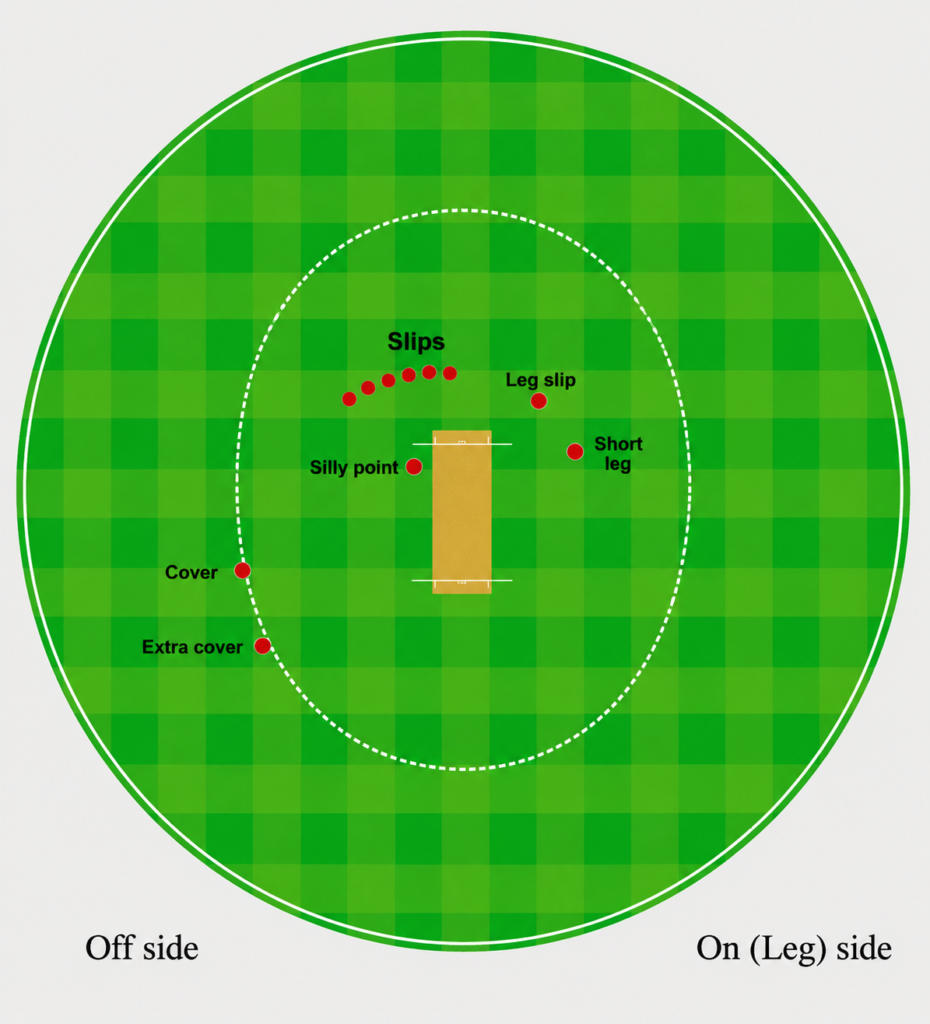
An attacking off spin field setting is primarily seen in Test cricket, particularly when a new batter arrives at the crease or when the pitch offers considerable turn and bounce. The objective is simple: surround the batter with close catchers, build pressure, and capitalize on even the slightest mistake. These aggressive cricket fielding positions give an off spin bowler the best opportunity to convert sharp turn and bounce into wickets.
First Slip: The first slip waits for outside edges created by drift and sharp turn. When bowling off spin to left-handed batters, captains may even introduce a second slip if the cricket ball is turning square, increasing the chances of catching thick outside edges.
Short Leg: Positioned close to the batter on the leg side, short leg is a classic back-pad catcher in Test cricket. This position becomes particularly dangerous when the off break delivery turns sharply back into the batter, producing bat-pad opportunities.
Silly Point: Standing just a few metres from the batter, silly point prevents comfortable forward defence. Simply having a fielder in this position often plants seeds of doubt in the batter’s mind, making them second-guess their footwork against off spin.
Leg Slip: A leg slip is generally reserved for defensive-minded batters who prefer working the cricket ball into the leg side. This specialist cricket fielding position catches fine glances and faint leg-side edges created by subtle turn.
Extra Cover: An attacking extra cover anticipates mistimed drives as batters attempt to hit against the spin. The position is particularly effective when the spinner encourages expansive strokes through flight.
Short Extra Cover: Placed a few yards closer than conventional extra cover, short extra cover targets catches from batters driving on the rise before fully reaching the pitch of the cricket ball.
💡 With an attacking field, both mid-on and mid-off usually remain inside the circle to maintain pressure, although captains may occasionally send one fielder to the boundary if the match situation demands additional protection.
Cricket Fielding Position Names (Conventional Field Placement)
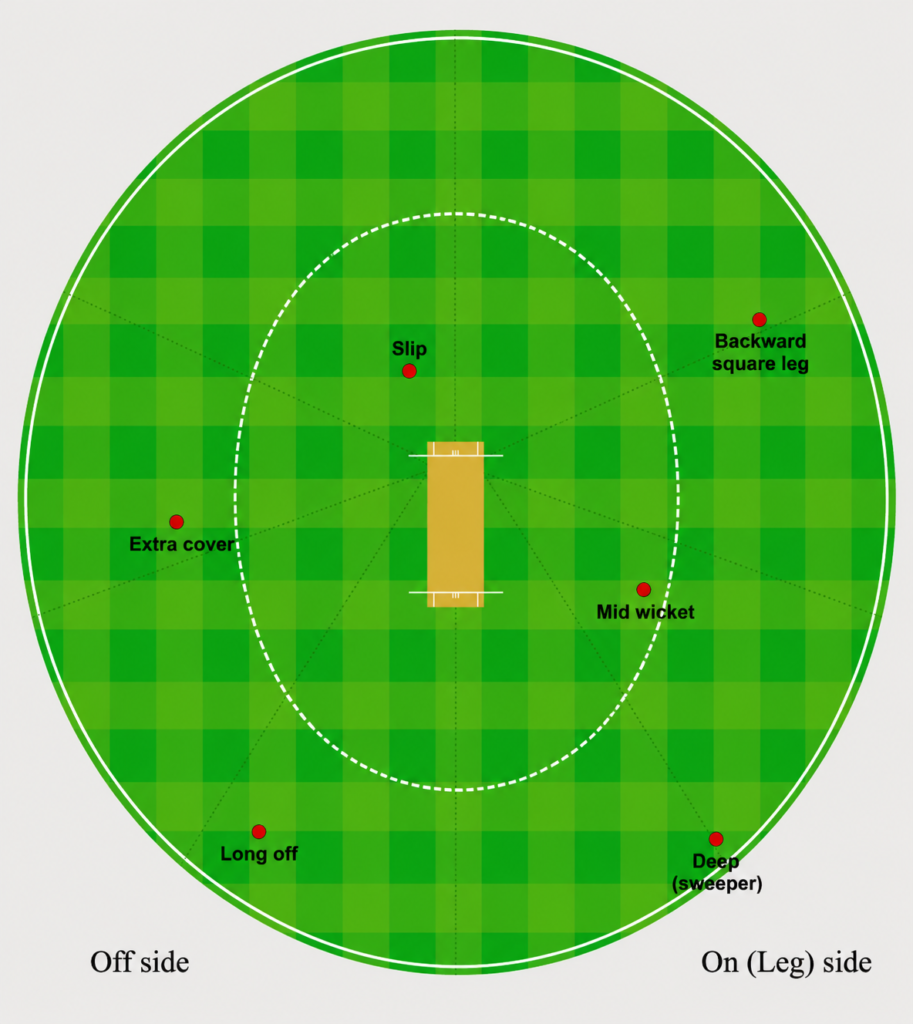
A conventional field provides the perfect balance between attack and defence, making it the preferred option during the middle overs of limited-overs cricket. This setup allows an off spin bowler to continue searching for wickets while simultaneously limiting easy boundaries. By combining close catchers with strategic boundary protection, these fielding positions in cricket offer flexibility regardless of how the batter approaches the innings.
Slip: Keeping a slip in place ensures the off spinner remains an attacking threat, especially against new batters who are still adjusting to the turn.
Extra Cover: Extra cover cuts off driven singles and creates catching opportunities when batters attempt to force the ball through the off side.
Long Off: Long off protects lofted straight drives whenever a batter decides to attack the spinner down the ground.
Mid-Wicket: Positioning a fielder at mid-wicket helps intercept flicks and clips as the off break delivery spins naturally into the batter.
Fine Leg (Up): Keeping fine leg inside the circle supports a slightly defensive bowling plan while still restricting easy singles behind square.
Deep Mid-Wicket: A deep mid-wicket provides valuable insurance whenever an off spin bowler accidentally drops the ball short, allowing protection against pulls and slog sweeps.
Cricket Fielding Position Names (Defensive Field Placement)
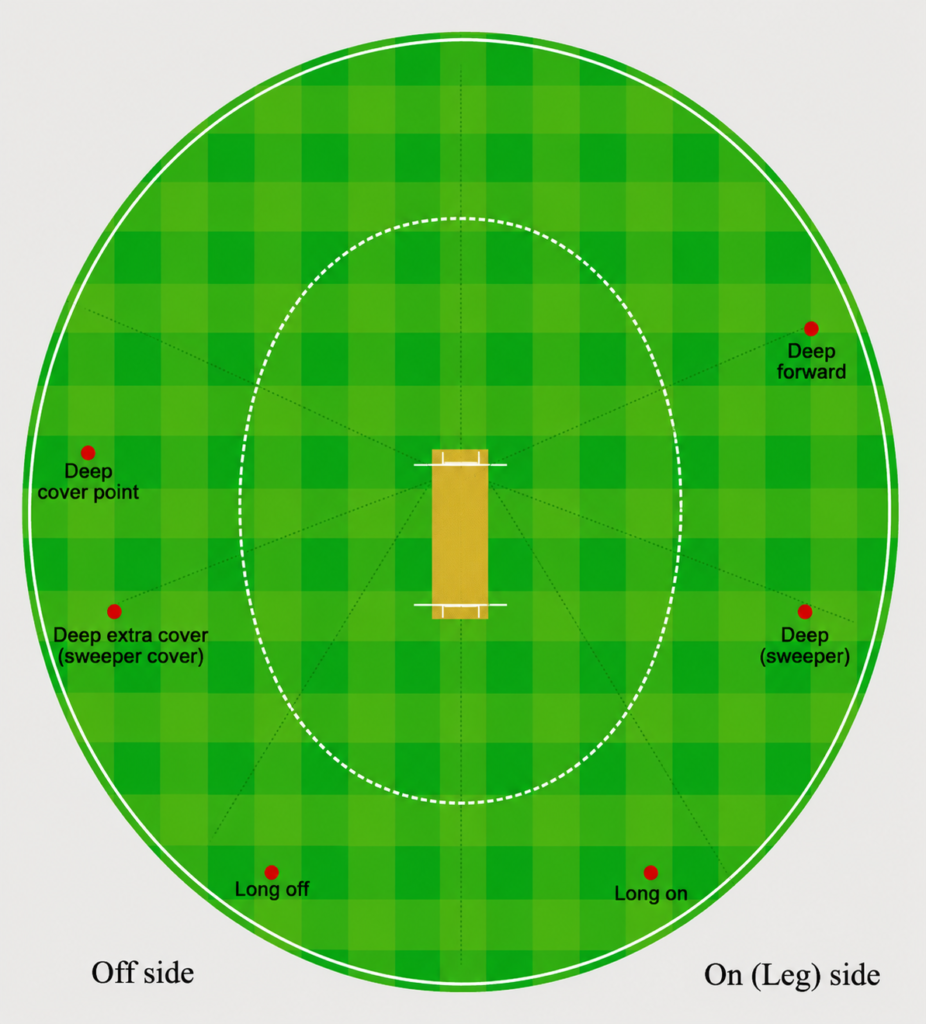
When the going gets tough, an off spin bowler must rely on defensive fielding positions in cricket to minimise boundaries and build pressure through dot balls. In T20 cricket, an off spin field setting often needs to be more flexible because batters are constantly looking to attack. The best setup may change from one over to the next depending on the batter, match situation and boundary options available. In this setup, as many as five fielders can patrol the boundary—typically two straight fielders at long-on and long-off, one at deep mid-wicket for the slog sweep, and another at deep extra cover or deep point to counter inside-out drives and cut shots. The remaining infielders focus on cutting off singles, forcing batters to take greater risks to score.
Long On: Long on protects powerful lofted strokes hit straight down the ground while allowing the off spinner to continue attacking the stumps.
Long Off: Long off safeguards against aerial drives and encourages batters to take the longer route over the infield.
Deep Extra Cover: A deep extra cover intercepts inside-out lofted drives and powerful shots through the off side, particularly against attacking batters.
Deep Point: Deep point protects square boundaries whenever the batter attempts late cuts or forces the ball off the back foot.
Deep Mid-Wicket / Cow Corner: Stationing a fielder at deep mid-wicket or cow corner helps neutralise slog sweeps and powerful leg-side hits whenever the off break delivery is slightly overpitched or dragged short.
Special Field Positions in Cricket for Unique Match Situations
Every batter has strengths and weaknesses. A good off spinner constantly adapts their cricket fielding positions to counter a batter’s preferred scoring areas rather than relying on a fixed field throughout the spell. Here are some common scenarios and the field adjustments that can help an off spinner stay one step ahead.
Special Fielding Positions Against Sweep Specialists
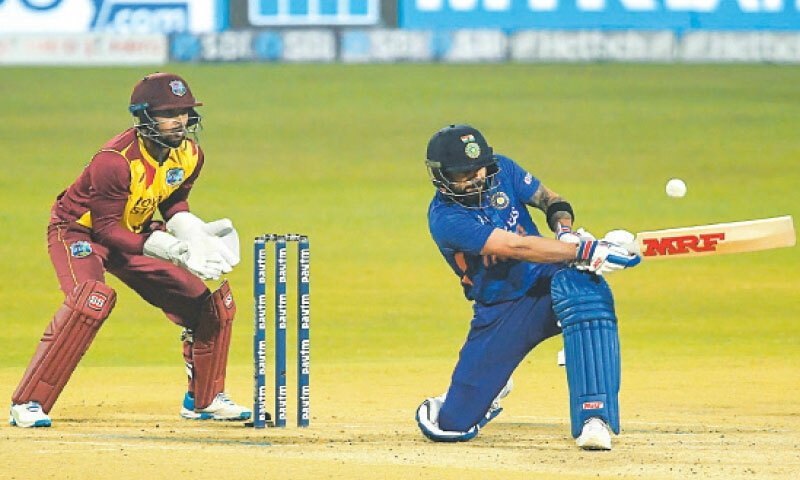
This is probably the most common challenge. If a batter repeatedly sweeps or slog sweeps your off spin, don’t continue with your conventional field. Here are some recommended cricket fielding positions.
- Deep Backward Square Leg: Protects the conventional sweep.
- Deep Mid-Wicket: Stops slog sweeps.
- Short Fine Leg: Catches top edges.
- Slip comes out: Once batters start sweeping consistently, slips become less valuable.
- Mid-On slightly straighter: Protects lofted hits.
💡Instead of fighting the sweep, tempt the batter into playing it while protecting the boundary and waiting for a mistake.
Against Reverse Sweep Players
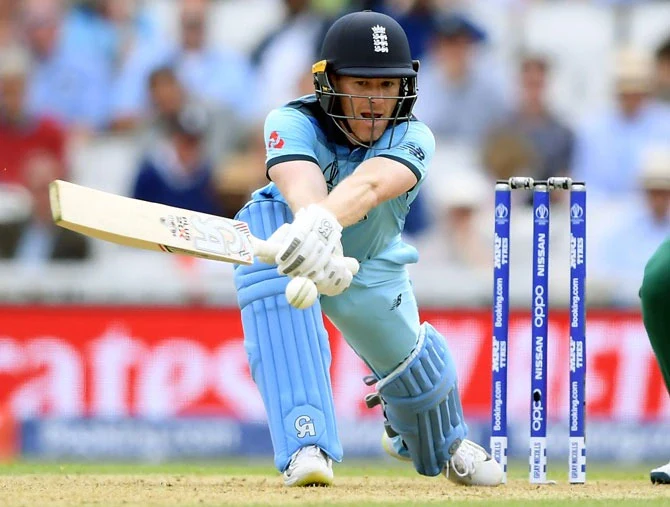
In moden day cricket, every batter likes to be inventive with reverse sweeps. Here are some fielding positions which can help you curtail their scoring rate.
- Deep Point: Protects reverse cuts.
- Backward Point: Cuts off singles.
- Third Man: Excellent against late reverse sweeps.
- Extra Cover remains: Stops conventional drives.
- Silly Point removed: Too risky.
💡Reverse sweepers often expose their stumps. Mix in straighter deliveries and arm balls while adjusting your field accordingly.
Against Big Hitters
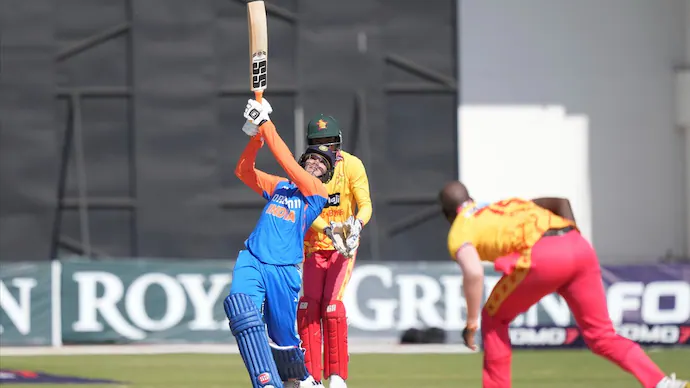
This is where the stakes are raised a lot higher. The IPL style batting will blow you away unless you don’t panic.
- Long Off: Protects long shots down the ground.
- Long On: Gives you protection when the batters try to go downtown.
- Deep Mid-Wicket: Limits a batter’s ability to dispatch long hops.
- Cow Corner: Offers protection against slog sweep.
- Deep Cover: Inside out lofted hits are taken care of.
- Mid-Wicket inside circle: Stops easy singles.
When the Pitch Starts Turning Square
This is where an off spin bowler really starts getting into his/her zone. With the pitch starting to offer some assistance, the off spin bowlers can surely come to the fore. Here is how you can set up a tight fielding position in cricket to suffocate the tentative batters in their own game.
- Slip: Always waiting for the edges to come through.
- Leg Slip: Gentle flicks down the leg side can be grabbed with open arms.
- Short Leg: Useful for back-pad scenarios.
- Cow Corner: Effective in case the batter launches themselves or deploys an expansive slog-sweep shot.
- Deep Cover: Decent protection against those batters who love using their feet.
- Mid-Wicket inside circle: Prevents the tight runs, which makes strike rotation an arduous hassle.
💡 If the wicket is helping your off spin, don’t waste the opportunity by defending. Trust your off spin technique and attack with close catchers.
Closing Thoughts on Setting A Fielding Trap For Off Spinners
There is no single perfect field setting for an off spinner or universal off spin field setting. The best off spinner fielding position depends on the batter, pitch conditions and match situation. The best captains constantly adjust their cricket fielding positions based on the batter’s strengths, match situation, pitch conditions, and format. The most successful off-spinners don’t simply bowl to a pre-set field—they set fields that encourage batters to play the exact shot they want, turning every delivery into a carefully planned trap.
Useful Spin Bowling Resources
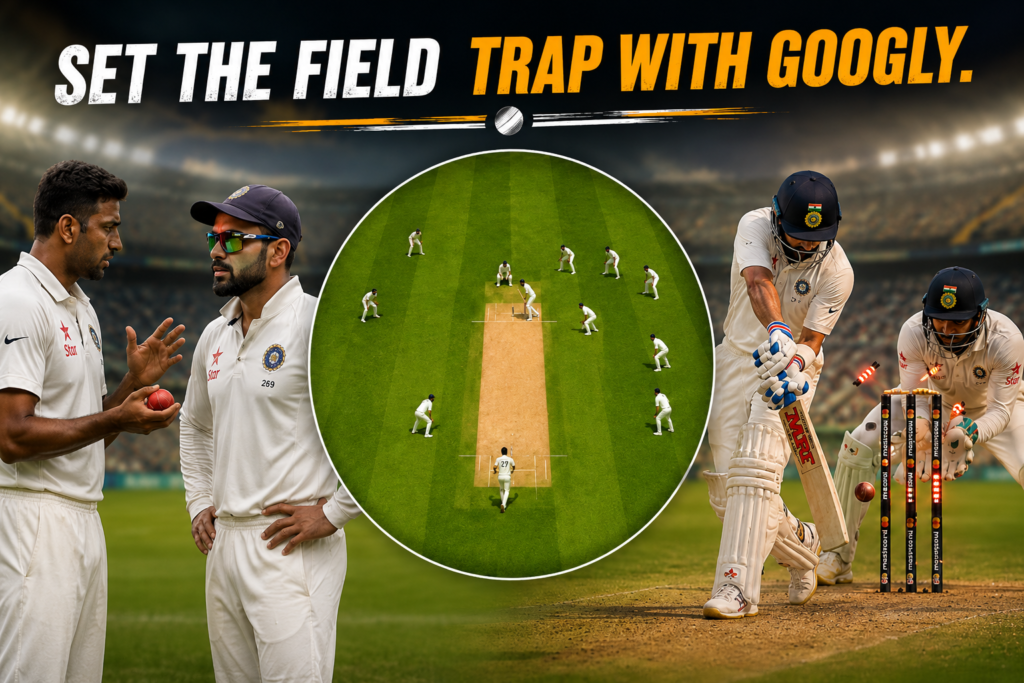
Key Cricket Fielding Positions To Consider For a Googly in Cricket
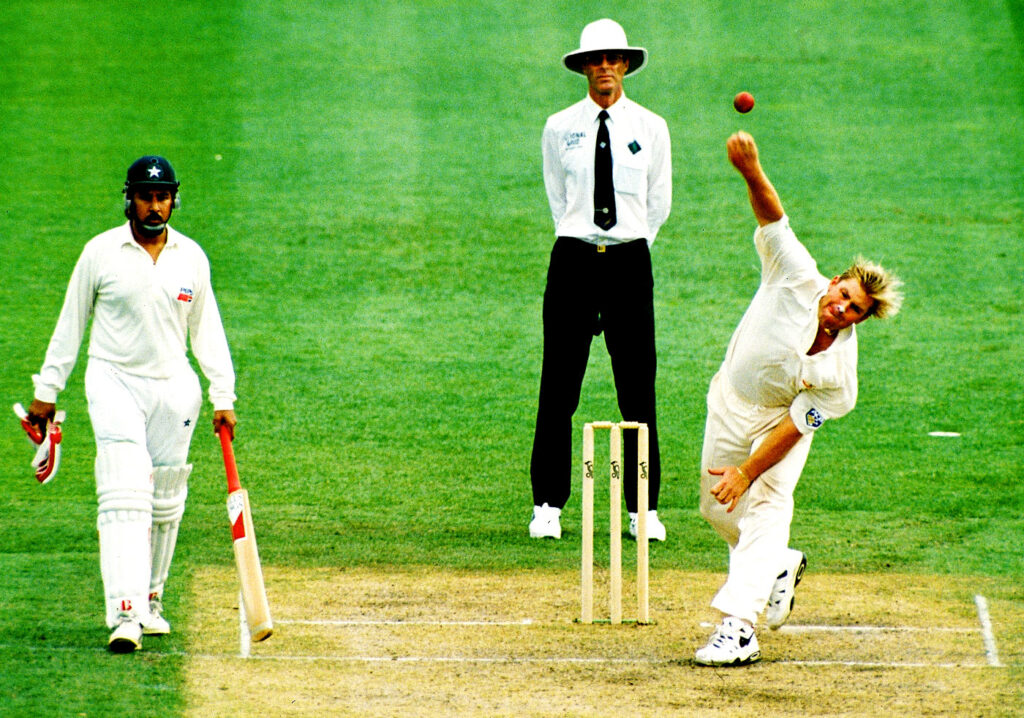
Decoding The Art Of Leg Spin Bowling Step-by-Step
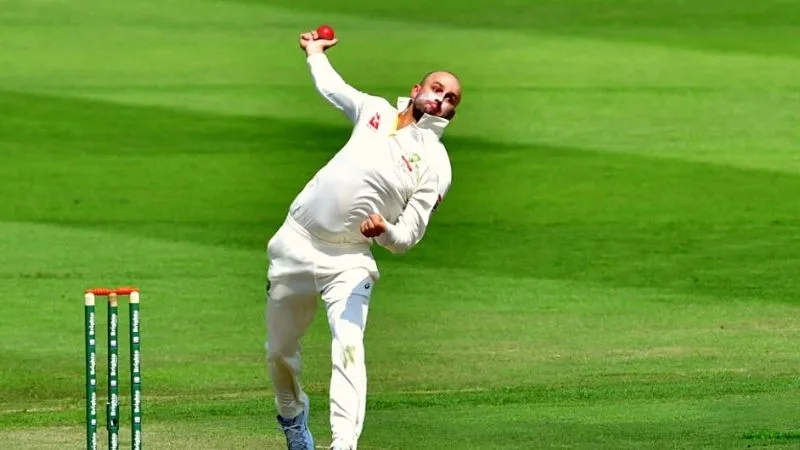
Off Spin Bowling Grip and Release Fundamentals (Beginner-Friendly Guide)
Found Our Cricket Coaching Guide Insightful?
With the right equipment, access to top experts, and the resources to grow, Cricvision can go the extra mile! If you’d like to be part of this journey, visit our donation page. Every contribution counts and directly fuels our growth.