The LBW (leg Before Wicket) law in cricket can be one of the weirdest laws to understand in the game. While a batter might be given a reprieve under the LBW rule if the ball pitches outside leg stump, he/she will not be so fortunate if the ball pitches outside off stump. So why does the pitching outside off LBW rule exist in the first place, and what is it all about? And why do the outcomes under the pitching outside off LBW rule vary, unlike in the case of ball pitching outside leg LBW rule? In this cricket rules and regulations guidebook, we will go deep to decipher what is pitching outside off LBW rule and look at the case-by-case scenario of when a batter can be adjudged out/not out under this very intriguing LBW rule in cricket. Hopefully, by the end of the article, you will be much better placed to make informed comparisons between pitching outside off vs outside leg LBW rules.
The LBW rules were first drafted in 1774 to counter the batter’s ability to deliberately drag their feet in the way to block the cricket ball. Over several generations, the LBW law underwent a series of refinements to clearly define under what circumstances a batter may be deemed out LBW. In the formative years, the ball needed to be pitched exactly in line with the stumps for an LBW appeal to fall in the bowler’s favor. But at the turn of the 20th century, the clause was amended slightly to incorporate the pitching outside off LBW rule, wherein a batter could risk being out under the LBW rule even if the ball pitched outside off-stump.
At last, the luxury of intentionally padding the cricket ball away (a.k.a pad-play) was snatched from the batters once and for all. The batters now needed to either genuinely offer a shot or make a reasonable attempt to play, at any delivery that is pitching outside off. Under the current LBW law, a batter can be dismissed if the cricket ball pitches outside the off stump. Clause 36.1.4 of Law 36 of the Marylebone Cricket Club (MCC) specifies that, for an LBW appeal to be valid, the ball must either pitch in line with the stumps or outside the off stump. Additionally, the location of impact is disregarded if the batter is not attempting a shot.
Official LBW Law Snapshot From MCC Website
36.1 Out LBW
The striker is out LBW if all the circumstances set out in 36.1.1 to 36.1.5 apply.
36.1.1 The bowler delivers a ball, not being a No ball
36.1.2 the ball, if it is not intercepted full-pitch, pitches in line between wicket and wicket or on the off side of the striker’s wicket
36.1.3 the ball not having previously touched his/her bat, the striker intercepts the ball, either full-pitch or after pitching, with any part of his/her person
36.1.4 the point of impact, even if above the level of the bails,
either is between wicket and wicket
or if the striker has made no genuine attempt to play the ball with the bat, is between wicket and wicket or outside the line of the off stump.
36.1.5 but for the interception, the ball would have hit the wicket.
In this cricket rules and regulations tutorial on pitching outside off LBW rule, we will take a look at two different situations in which a batter may or may not be given out LBW. Moreover, we will briefly discuss the implications of this pitching outside off ruling on modern-day DRS protocols.
Pitching Outside Off LBW Rule: When & Why Pitching Outside Off Is Out?

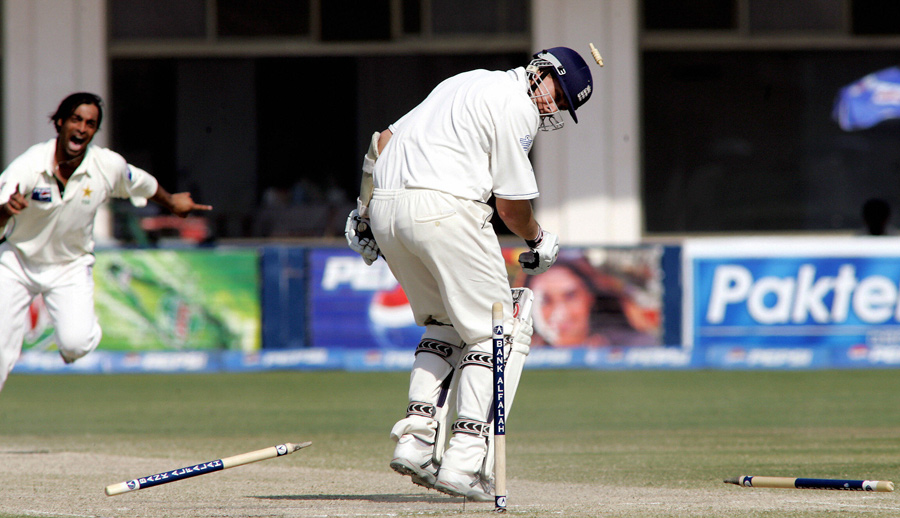
A batter can be adjudged out through the pitching outside off LBW rule in several different ways. If the ball is pitching outside off and then goes on to make contact with the batter’s pad, then two primary aspects are looked at. Firstly, we start with the impact. If the point of impact with the pads is adjacent to the stumps, then the batter can qualify as an ideal LBW candidate. Even if the point of impact remains outside the line of the stumps, the batter can still be dismissed LBW if he/she fails to play a shot.
A typical example to consider would be a batter intentionally trying to deflect an in-dipping delivery away from a pacer or a spinner in an effort to block the cricket ball from crashing into the stumps. In such a scenario, the batter can be given out if the necessary criteria of the pitching outside off rule are ticked.
Pitching Outside Off LBW Rule: When & Why Pitching Outside Off Is Not Out?
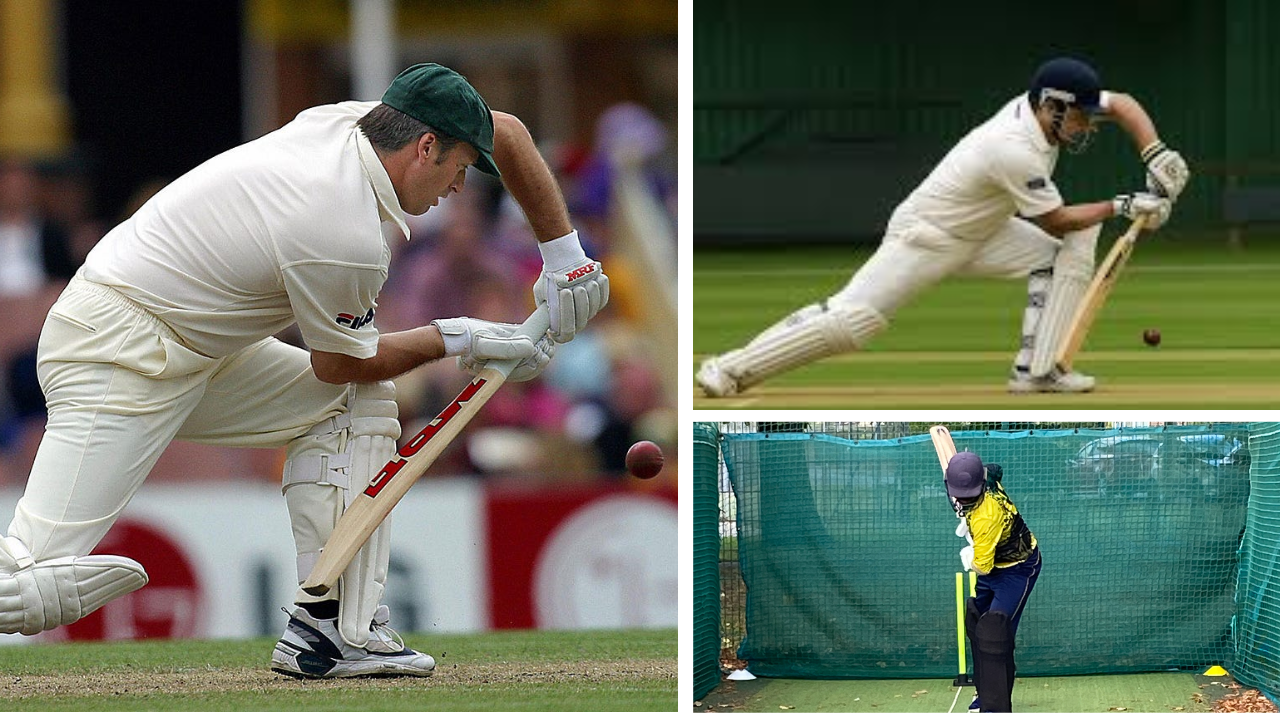
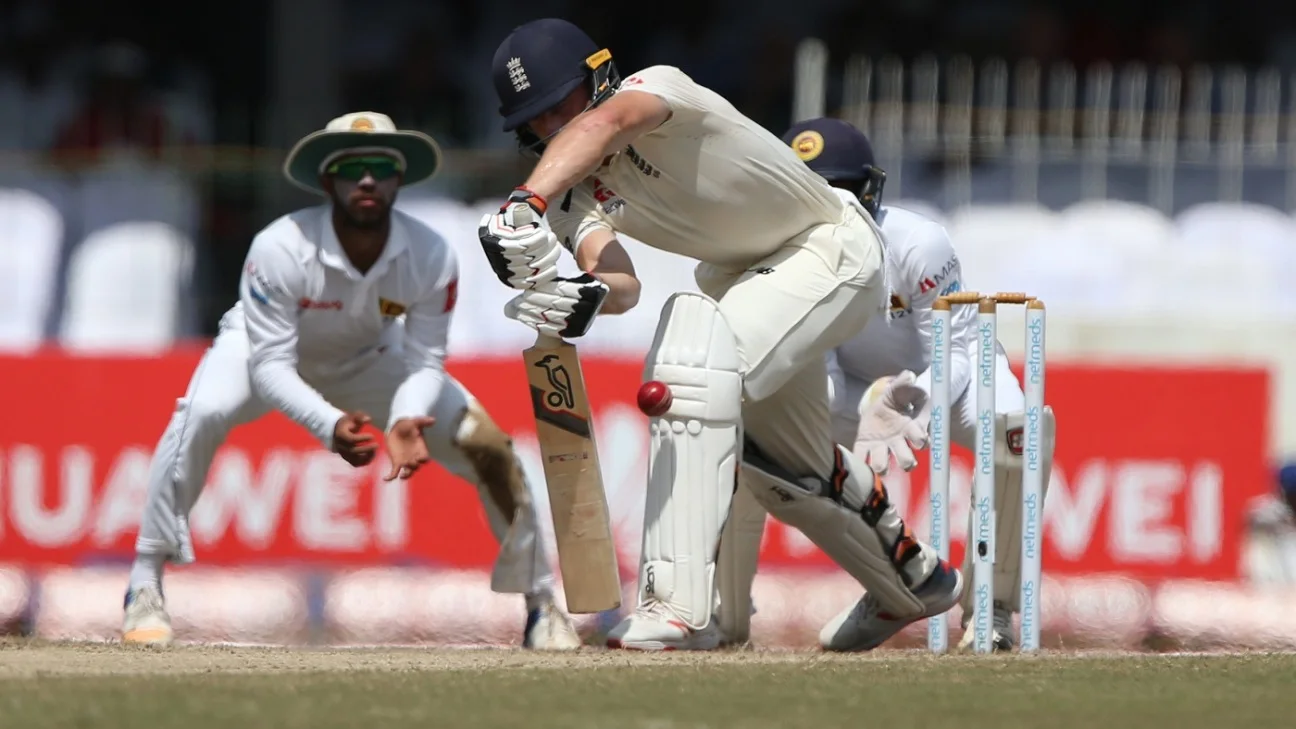
There is one major exception to the pitching outside off LBW rule. The pitching outside off LBW rule offers batters a slight degree of impunity to work with. So if the ball were to pitch outside off-stump channel, a batter will not be given out LBW if the impact happens to be outside the line of the stumps, provided the batter, while batting, was intending to play a shot. It’s left to the umpire alone to decide whether the batter was intending to offer a shot or not.
This is where the impact outside off clause comes into play. So, for instance, if a batter walks across his or her stumps to play on the leg side and the cricket ball goes on to hit the pads, the batter will survive if the point of impact is deemed to be outside the line of the stumps. However, this privilege under the impact outside off lbw rule is snatched the moment they decide not to offer a shot. So even if the cricket ball pitches outside off or, if the LBW impact remains outside off, then a batter can still be adjudged LBW if he/she DOES NOT play a shot.
Pitching Outside Off LBW Rule: Implications On Modern-Day DRS

Back in the day, the benefit of the doubt under the impact outside off LBW rule used to go to the batters as the umpires failed to accurately project the path of the delivery upon impact. Batters would often plant a long stride to deliberately pad the ball away. In those days, technology didn’t exist. Naturally, the umpires had a hard time judging the actual path of the ball and whether or not it would have gone on to hit the stumps. In most instances, the impact outside off and pitching outside off planted enough seeds of doubt in the umpire’s mind to eventually lead him to rule not out.
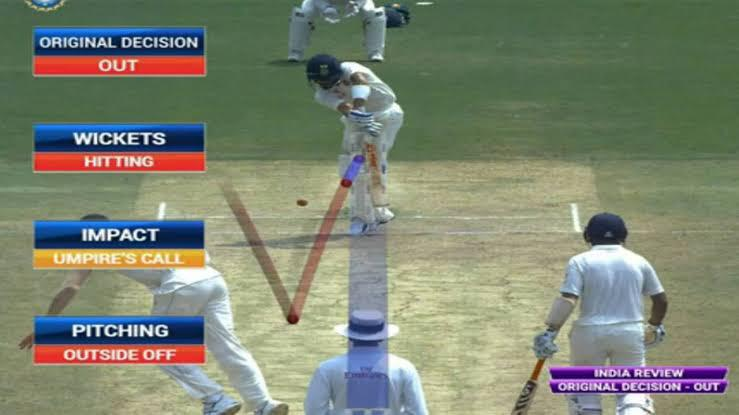
But thanks to the latest technological advancements made possible by the DRS, television replays and ball-tracking technology have made life incredibly easier for the on-field umpires. The foul play of deliberately padding the ball away has now become a thing of the past. As a result, the percentage of incorrect LBW decisions has gone down. The probable trajectory of the ball can now be accurately assessed. These latest advancements in DRS technology have forced cricketers to reinvent their batting. They can no longer plant their front foot across and hope to get away with it, without being caught red-handed by technology. They will need to come to terms with the fact that any incorrect on-field decision can now be reversed with the help of technology.
FAQs on Pitching Outside Off Rule
What is pitching outside off LBW rule all about?
The pitching outside off lbw rule states that the batter will be not out if the impact of the ball is outside the line of stumps while offering a shot.
What is lbw no shot offered rule all about?
In a situation when the batter is not playing a shot, he/she is liable to be given out even if the impact is outside the line of stumps.
What do we imply by the ball pitching outside off?
Any ball that has landed anywhere outside the imaginary line of a batter’s off stump is known as ball pitching outside off.
What is the meaning of ball pitching outside leg?
The pitching outside leg means that the ball has landed outside the line of the leg stump, most commonly referred to as a batter’s blind spot.
Why is a batter not out under the pitching outside leg LBW rule?
Batter is not given out under the pitching outside leg LBW rule primarily to discourage the bowlers from targeting a batter’s pads from round the wicket. Click on the link to read more about this LBW rule.
What do we mean by the impact outside off rule in cricket?
The impact outside off LBW rule refers to the ball hitting the batsman outside the line of the off stump when attempting a shot.
Key difference between pitching outside off vs outside leg rules?
There are certain conditions in which a batter might be out under the pitching outside off rule. However, there is clearly no scope for a batter to be given out at all under the pitching outside leg lbw rule.
Why pitching outside leg is not out?
Under the pitching outside leg LBW rule, a batter is adjudged not out as he/she often has to play around the blind spot, widely deemed unfair.
Did you find this guide helpful? For more tips and insights on cricket rules, bookmark our website, and don’t forget to check out our illustrative guide on the pitching outside leg LBW rule.