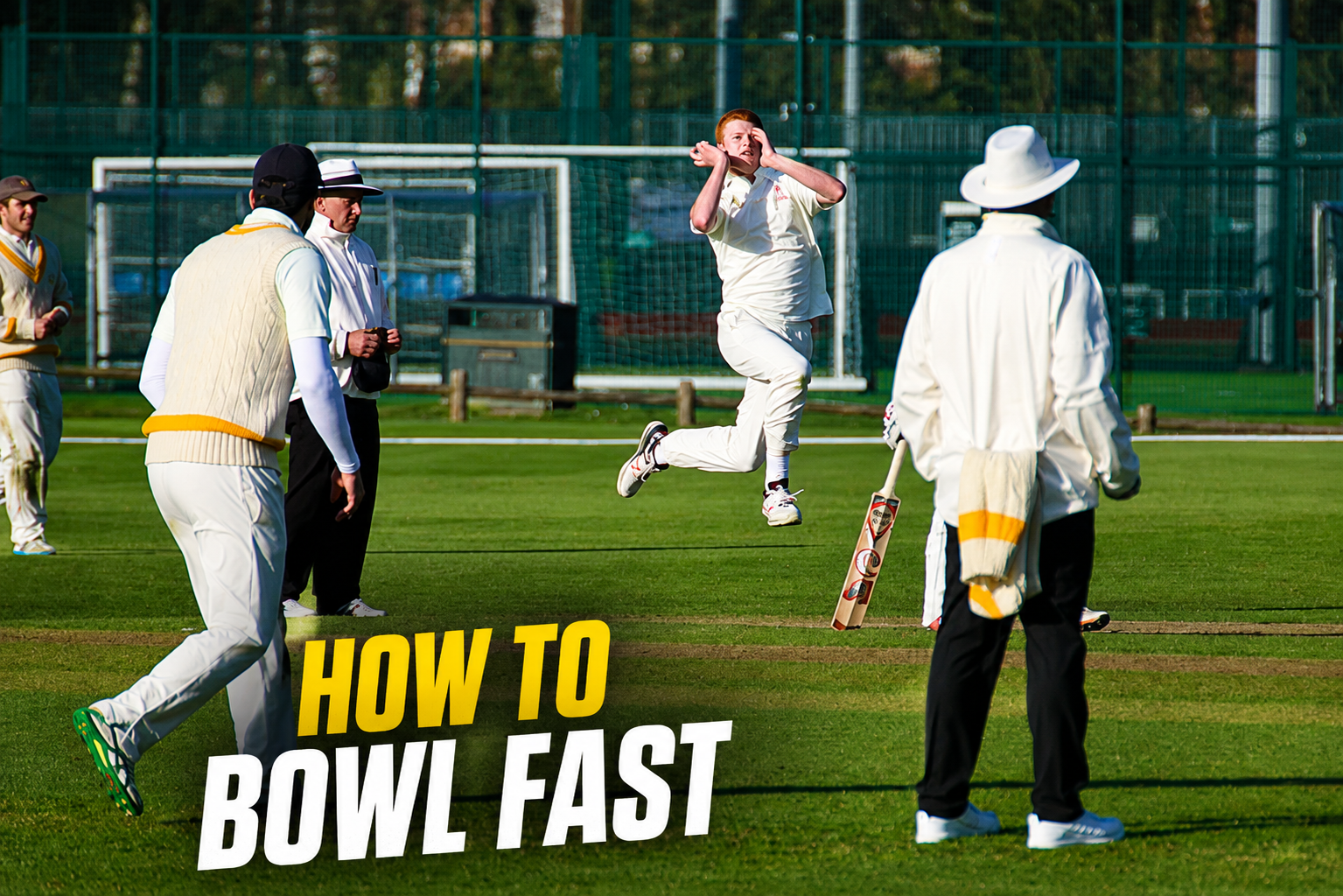
Fast bowling is about more than simply running in harder and trying to throw the ball faster. Learning how to bowl fast in cricket requires efficient technique, rhythm, body coordination and the ability to transfer momentum into the delivery. However, learning how to bowl fast in cricket is not simply about running in harder or trying to throw the ball quicker. True pace comes from proper technique, rhythm, strength, and body coordination.
Some of the fastest bowlers in cricket history, including Brett Lee and Shoaib Akhtar, relied on explosive movement, efficient bowling actions, and consistent training routines to generate speed. Their success highlights an important lesson for young cricketers: Fast bowling is built through technique and repetition, not just natural strength.
If you’re looking to increase bowling speed, this guide covers the key areas that influence pace, including your run-up, front arm, front-leg brace, wrist position, follow-through, strength training, and recovery. For beginners, focusing on balance, run-up rhythm, and body alignment can make a huge difference in pace generation over time. Learning how to bowl faster requires excellent techniques that are designed to help bowlers transfer momentum efficiently while reducing unnecessary strain on the body.
In this guide, you’ll learn how to bowl faster in cricket using practical techniques adopted by professional fast bowlers. Whether you’re a beginner learning how to bowl faster or an experienced player trying to generate more pace, these practical fast bowling tips and techniques can help you develop a more efficient and repeatable bowling action.
Table of Contents
Why Some Fast Bowlers Never Increase Their Bowling Speed

One of the biggest misconceptions in cricket is believing that simply trying harder will make you bowl faster. In reality, increasing bowling speed depends on improving several technical and physical factors rather than putting more effort into every delivery.
Many young bowlers wonder how to bowl faster in cricket, yet continue repeating the same mistakes during practice. Sprinting through the run-up, forcing the bowling arm, or trying to throw the ball harder often reduces momentum instead of increasing it.
If your goal is to increase bowling speed, focus on building efficient movement patterns first. A smooth run-up, explosive front-leg brace, powerful hip rotation and proper wrist position all help transfer energy into the ball more effectively.
One mistake many developing bowlers make is believing there is a shortcut to how to bowl faster. In reality, learning how to bowl faster in cricket is a gradual process built around efficient movement rather than raw effort. Small improvements to your run-up, front-leg brace, hip rotation, and wrist position combine over time to increase bowling speed far more effectively than trying to force every delivery. If your objective is to improve bowling speed, focus on repeating technically correct actions before chasing extra pace.
How to Bowl Fast in Cricket: Tips to Increase Bowling Speed
If you’re searching for how to bowl faster, remember that pace is generated by the entire bowling action rather than just the bowling arm. Learning how to bowl fast in cricket involves developing rhythm, transferring momentum efficiently, and improving overall athletic movement. The following techniques explain how to increase bowling speed safely while helping you build a repeatable pace bowling action.
Learning how to generate pace begins with understanding the mechanics behind pace bowling. While strength plays a role, bowling speed mainly comes from momentum transfer, balance, timing, and efficient movement patterns.
Build a Smooth and Controlled Run-Up

The run-up is responsible for generating momentum before the delivery stride. A smooth and rhythmic approach allows bowlers to transfer energy efficiently into the crease.
Key pointers to note:
✅Maintain a consistent run-up length.
✅Gradually build speed instead of sprinting early
✅Stay balanced while approaching the crease
One of the most effective ways to bowl faster is to improve your run-up rhythm rather than simply sprinting harder. Many young bowlers searching for how to bowl faster in cricket actually lose momentum by rushing the approach. A smooth run-up allows energy to transfer naturally through the crease, making it much easier to increase bowling speed without placing unnecessary stress on the body.
For further guidance on mastering your run-up, check out our detailed step-by-step coaching guide on fast bowling basics.
Use the Front Arm Properly
If you are wondering how to bowl faster in cricket, then as an essential pace bowling tip, it’s important to note that the importance of your front arm can never be ignored. The non-bowling arm plays a major role in generating pace and body rotation. Pulling the front arm down sharply helps create momentum through the upper body.
Key pointers to note:
✅Keep the front arm high during delivery
✅Pull downward strongly during release
✅Avoid collapsing sideways
Using the front arm correctly is one of the easiest technical adjustments for bowlers wondering how to increase bowling speed. A strong front-arm pull improves body rotation, helping you bowl faster while maintaining balance throughout the delivery stride. Even small improvements in front-arm mechanics can noticeably improve bowling speed over time.
To know more about strengthening your non-bowling arm, refer to the Front Foot Contact (FFC) section listed on our step-by-step fast bowling tutorial page for beginners.
Braced Front Leg At Release
A strong front-leg brace helps transfer momentum from the run-up into the ball. Fast bowlers who collapse their front knee often lose pace and control.
Key pointers to note:
✅Land firmly on the front foot
✅Keep the body upright during release
✅Allow momentum to flow forward naturally
A strong front-leg brace also answers one of the biggest questions young bowlers ask: how to bowl quicker. By preventing the front knee from collapsing, you allow momentum to travel upward through the hips, trunk, shoulder, and bowling arm. This chain of movement is one of the key reasons professional fast bowlers consistently generate higher speeds.
Feel free to check out the braced front leg bowling drill by visiting our step-by-step fast bowling tips & drills page.
Improve Wrist Position and Seam Release
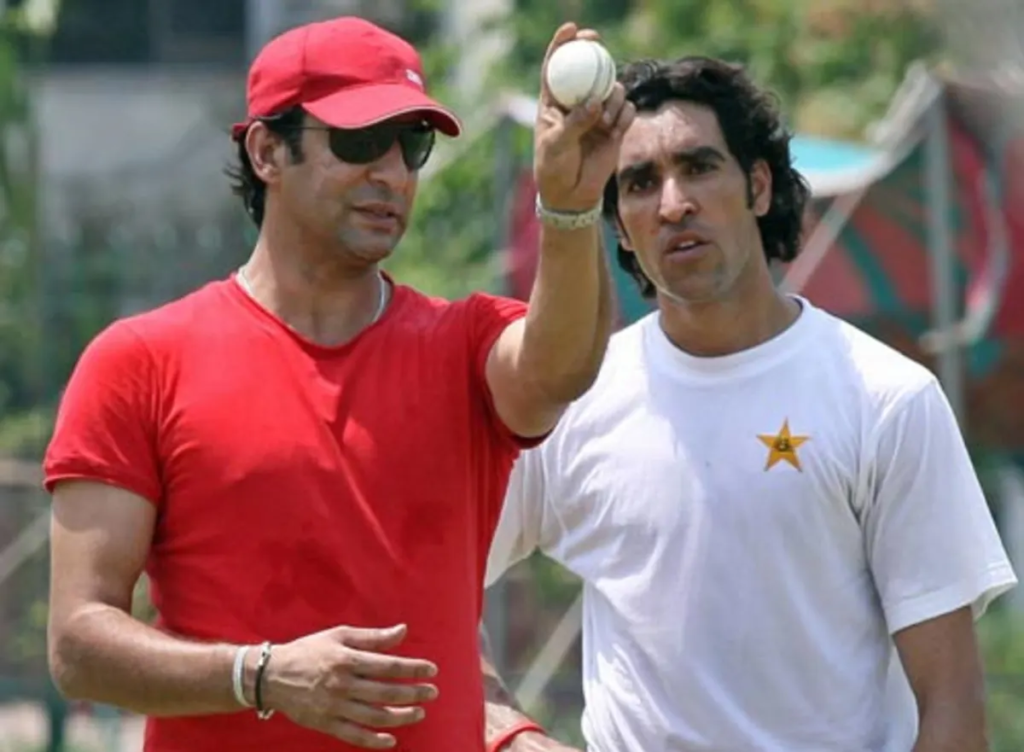
Wrist position is essential for both speed and control. Keeping the wrist strong behind the ball improves energy transfer and seam stability.
✅Keep fingers behind the ball
✅Maintain a straight wrist position
✅Release the ball at full extension
Many professional bowling tips for fast bowlers focus heavily on seam position because even small adjustments can improve both speed and consistency.
Follow Through Correctly
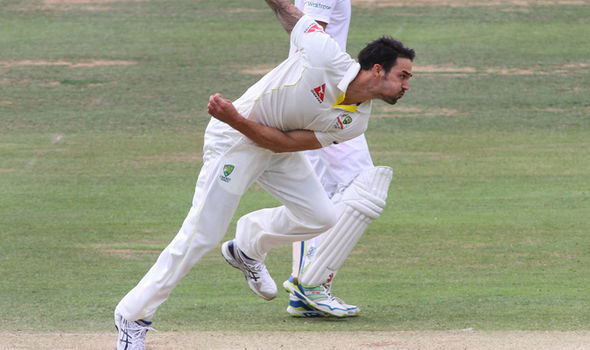
A controlled follow-through is one of the most overlooked pace bowling tips for beginners, yet it plays a major role in injury prevention and rhythm. The follow-through helps bowlers maintain balance and reduce stress on the body after release.
✅Continue moving forward after delivery.
✅Avoid stopping abruptly at the crease
✅Stay balanced throughout the action
✅Focus on transferring your body weight from the back to the front
For detailed tips on maintaining a reliable follow-through, feel free to visit our step-by-step fast bowling tips & drills page.
Weekly Training Plan to Increase Bowling Speed
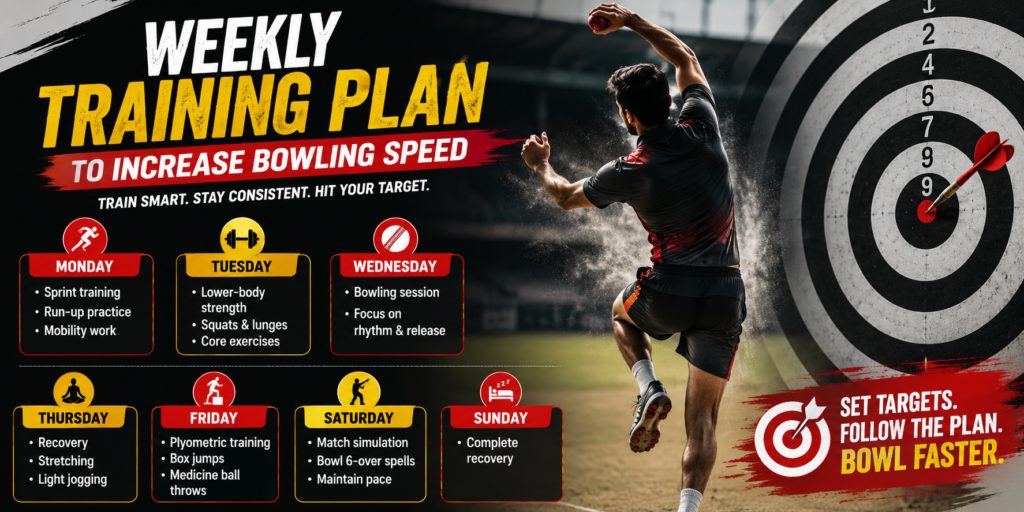
Following a structured programme like this is one of the safest ways to improve bowling speed over the long term. Rather than bowling at maximum effort every day, combining sprint work, strength training, bowling practice, and recovery allows your body to adapt gradually and increase bowling speed without significantly increasing injury risk.
Many bowlers train hard but without any structure. Following a weekly routine allows your body to develop strength, power, and recovery while gradually improving pace.
Phase 1: Monday to Wednesday
| Monday | Tuesday | Wednesday |
| Sprint training | Lower-body strength | Bowling session |
| Run-up practice | Squats & lunges | Focus on rhythm and release |
| Mobility work | Core exercises |
Phase 2: Thursday to Saturday
| Monday | Tuesday | Wednesday |
| Recovery | Plyometric training | Match simulation |
| Stretching | Box jumps | Bowl six-over spells while maintaining pace |
| Light jogging | Medicine ball throws |
Following a balanced routine like this allows bowlers to steadily improve bowling speed without placing excessive stress on the body. Training every component together is far more effective than bowling long spells every day.
P.S – Sunday is considered a rest day.
I Want To Bowl Faster. What Exercises Should I Do?
If you’re wondering how to increase bowling speed, strength training should become an important part of your weekly routine. While good technique remains the biggest contributor to pace, developing explosive leg power, core stability, and athletic movement will help you bowl faster over time. These exercises are specifically designed to improve bowling speed while reducing the risk of injury for developing fast bowlers.
Together, these exercises to increase bowling speed explain how to increase pace in bowling far better than simply trying to bowl harder every delivery.
Squats
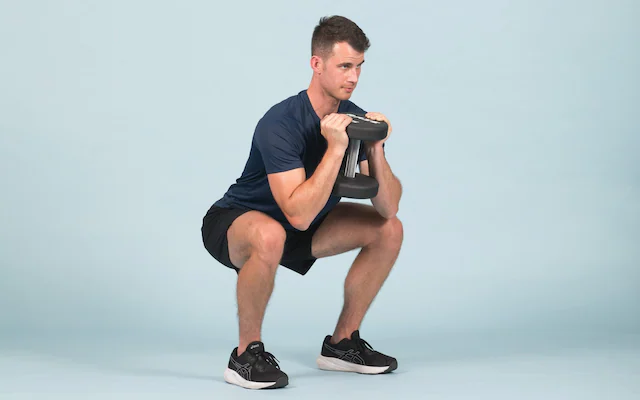
Squats are one of the best exercises for developing lower-body strength and stability in fast bowlers. Stronger legs allow bowlers to generate greater force during the run-up and delivery stride, making squats one of the most effective exercises for anyone wondering how to bowl faster. Performed consistently, they help increase bowling speed, improve balance, and build the explosive power required to bowl fast in cricket.
Sprint Training

Sprint training develops acceleration, coordination, and explosive movement, all of which contribute directly to bowling pace. Since momentum generated during the run-up transfers into the delivery stride, sprint work is an excellent method for bowlers looking to increase bowling speed. If your goal is learning how to bowl faster in cricket, adding short sprint intervals to your weekly routine can help you bowl faster without changing your bowling action dramatically.
Box Jumps

Box jumps improve explosive leg power, one of the key physical qualities required to bowl fast. This plyometric exercise trains your muscles to generate force quickly, helping bowlers transfer more energy into each delivery. When combined with good bowling mechanics, box jumps can gradually improve bowling speed and help young fast bowlers generate extra pace naturally.
Core Rotation Exercises

Core rotation exercises strengthen the muscles responsible for transferring energy from the lower body into the bowling arm. A stronger core allows fast bowlers to rotate more efficiently during release, making it easier to increase bowling speed while maintaining balance and control. If you’re trying to learn how to bowl faster, improving rotational strength is just as important as developing leg power.
Pace Bowling Tips & Technique: Nutrition Intake to Bowl Fast and Build Muscle
Learning how to bowl fast in cricket isn’t just about refining your bowling action. Nutrition plays an equally important role in helping fast bowlers recover, build muscle, and maintain the explosive power needed to generate pace. If you’re trying to increase bowling speed or simply bowl faster, combining proper training with the right nutrition will help you perform consistently while reducing fatigue and injury risk.
No fast bowling basics are ever complete without paying sufficient attention to nutrition intake. Fast bowlers place high levels of stress on their muscles, joints, and energy systems. Proper nutrition helps improve recovery, build muscle, and maintain performance during training.
Focus on Protein Intake
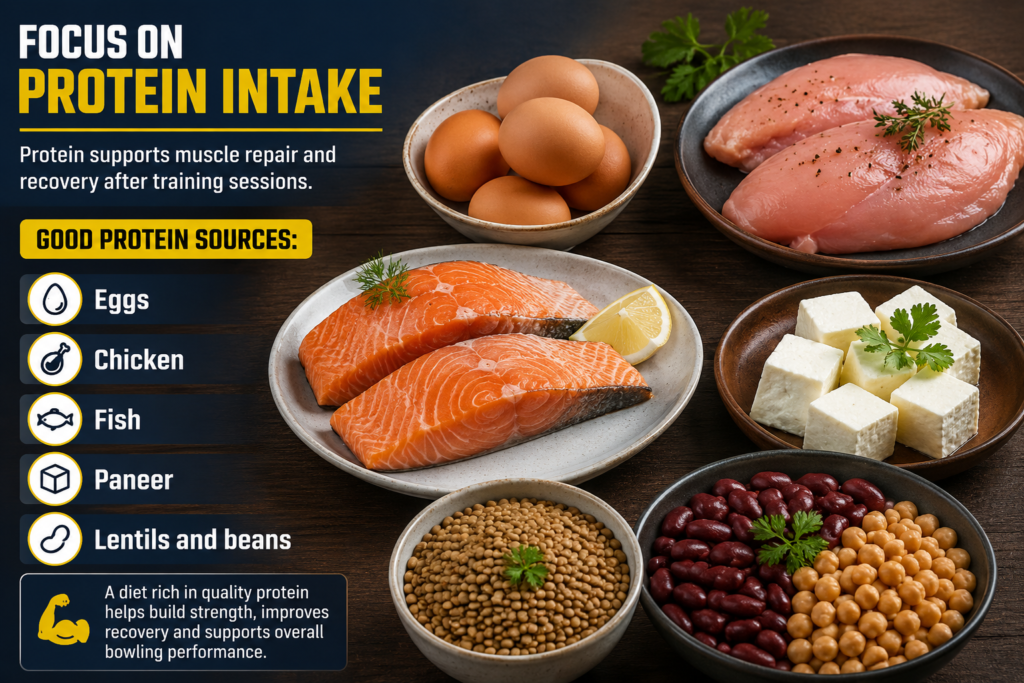
Protein is essential for repairing muscle tissue after intense bowling sessions and strength workouts. Since muscle recovery directly influences your ability to bowl faster, consuming enough protein allows your body to rebuild stronger and perform consistently during training. If you’re serious about learning how to bowl fast in cricket, maintaining adequate daily protein intake should become a key part of your routine.
Good Protein Sources:
✅Eggs (70–80 calories per egg)
✅Chicken (165 calories per 100g)
✅Fish (120–200 calories per 100g)
✅Tofu or Paneer (75–100 calories per 100g)
✅Lentils and beans (110–140 calories per 100g)
Eat Quality Carbohydrates

Carbohydrates provide the fuel required for sprint training, bowling sessions, gym workouts, and recovery. Fast bowlers rely heavily on explosive movement, so inadequate energy levels can reduce both pace and consistency. If you’re wondering how to bowl faster, maintaining sufficient carbohydrate intake will help you sustain high-intensity training sessions and continue developing bowling speed.
Bowlers looking to increase bowling speed should combine quality carbohydrates with adequate protein intake to support both energy production and muscle recovery. A daily intake of approximately 5–8 grams of carbohydrates per kilogram of body weight helps fuel training while allowing developing fast bowlers to bowl faster throughout longer practice sessions.
✅Rice (130 calories per 100g cooked)
✅Oats (150 calories per 40g serving)
✅Potato (80–90 calories per 100g boiled)
✅Whole wheat foods (70–120 calories per slice/serving)
✅Fruits (50–100 calories per serving depending on fruit type)
Stay Hydrated

Hydration is often overlooked by young cricketers trying to bowl fast, yet even mild dehydration can reduce athletic performance, concentration, and bowling intensity. Maintaining proper fluid intake allows fast bowlers to sustain pace during long spells while supporting recovery between training sessions. Staying hydrated is therefore another simple but effective way to improve bowling speed over the long term.
If your goal is to bowl faster in cricket, aim to consume approximately 3–4 litres of water daily, increasing this to around 5 litres during hot match days or intense training sessions. Proper hydration helps maintain performance and reduces fatigue, allowing you to train consistently and continue building bowling pace.
✅Drink water consistently throughout the day
✅Increase hydration during summer training
✅Include electrolytes during longer sessions
Best Ways to Stay Injury-Free as a Fast Bowler
Bowling fast in cricket places repeated stress on the lower back, knees, shoulders, and ankles. Staying injury-free is essential for long-term development and performance.
Warm Up Properly
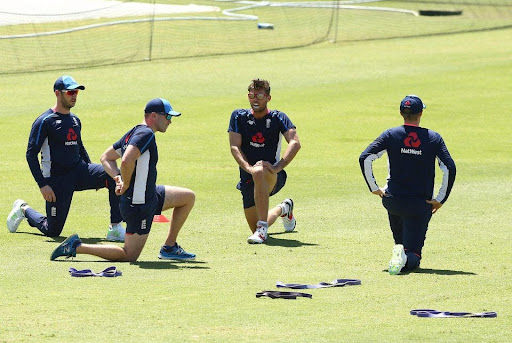
A proper warm-up prepares the body for the physical demands of pace bowling and helps reduce the risk of muscle strains and joint injuries. Jumping straight into high-intensity bowling without preparation can place unnecessary stress on the body. Gradually increasing intensity before training also improves rhythm, flexibility, and bowling performance.
A proper warm-up should include:
✅Dynamic stretching
✅Light jogging
✅Mobility exercises
✅Gradual build-up bowling
Avoid Overbowling
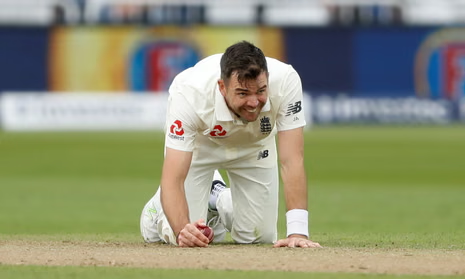
Bowling excessive overs without proper recovery can lead to fatigue and long-term injuries, especially for young fast bowlers. Overtraining often affects bowling speed, accuracy, and consistency over time. Managing workload carefully allows the body to recover properly while maintaining steady improvement.
Young bowlers should:
✅Monitor workload carefully
✅Avoid excessive training volume
✅Include recovery days each week
Focus on Recovery and Sleep

Recovery is a critical part of how to bowl faster because the body needs time to repair and rebuild after intense sessions. Poor sleep and inadequate recovery can reduce performance, increase fatigue, and raise injury risk over time. Consistent rest habits help fast bowlers stay fresh, energetic, and physically prepared for training.
✅Aim for 7–9 hours of sleep
✅Use light stretching after sessions
✅Avoid training intensely every day
FAQs: How To Bowl Fast in Cricket
How can I bowl faster in cricket?
Focus on a smooth run-up, efficient momentum transfer, a strong front-leg brace, effective front-arm movement and a stable wrist position. Strength and conditioning can also help you develop the physical qualities needed for greater pace.
What exercises increase bowling speed?
Sprint training, lower-body strength exercises, plyometrics and core-rotation exercises can support the physical qualities required for fast bowling.
How do I increase my bowling speed?
Improve your bowling mechanics first, particularly your run-up, front-leg brace, front-arm action and release. Combine technical work with appropriate strength training and recovery.
Final Thoughts On How To Bowl Fast in Cricket
If you’re wondering how to increase bowling speed, strength training should become an important part of your weekly routine. While good technique remains the biggest contributor to pace, developing explosive leg power, core stability, and athletic movement will help you bowl faster over time. These exercises are specifically designed to improve bowling speed while reducing the risk of injury for developing fast bowlers.
Found Our Cricket Coaching Guide Insightful?
With the right equipment, access to top experts, and the resources to grow, Cricvision can go the extra mile! If you’d like to be part of this journey, visit our donation page. Every contribution counts and directly fuels our growth.
Donate Now