The ball hitting the helmet in play is perhaps one of the most puzzling topics in the world of cricket. While many pretend to know the law from in and out, only a select few get it absolutely spot on. So, does the ball hitting the helmet in play automatically lead to the call of a dead ball? Or is there a possibility of a no ball rule in cricket?
Well, there are no immediate answers when such an event occurs on the field of play. We will need to go deeper into the laws of the game to uncover the repercussions of the ball hitting the ball in play on a case-by-case basis. Back in the day, any cricket ball hitting the helmet in play meant an imminent dead ball regardless of the scenario. But over the years, the lawmakers slightly amended the ball hitting the helmet rule, keeping certain game situations in mind.
So the short answer is, any cricket ball hitting the helmet in play does not automatically lead to a dead ball, nor is there any genuine case of a no ball. The current rules and regulations of the game make no mention of a no ball call in the event of a ball hitting the helmet in play.
So rest assured, the possibility of a no ball is ruled out. But we are still unsure of how and when a dead ball call is issued in the event of a ball hitting the helmet in play. So without further ado, we will delve deeper into the consequences of the cricket ball hitting the helmet in play by considering two main scenarios.
Table of Contents
Scenario 1: Ball Hitting The Helmet Resting On The Turf

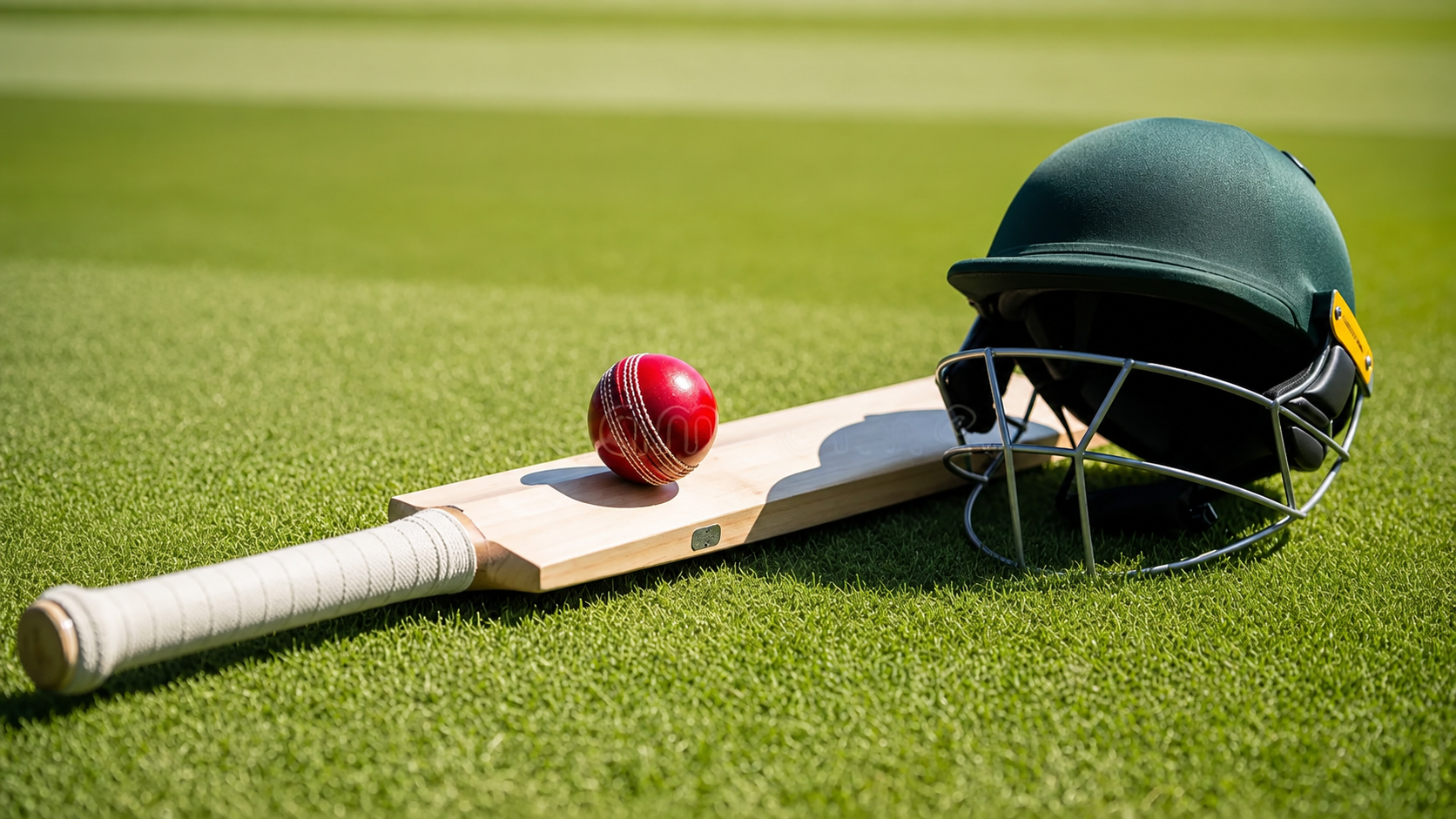
The most common occurrence of the ball hitting the helmet in play is when any moving cricket ball comes into contact with the helmet placed by the fielding team. According to the existing rules of the game, any helmet that is not in use by the fielding side needs to be placed on the ground and ideally behind the keeper and in line with the stumps.
So, what happens if the ball hits the helmet in cricket, which is not worn by any player on the field? Well, turns out, the ball indeed becomes dead, or ceases to exist. In other words, any further action that was meant to happen after the dead-ball call becomes null and void.
In addition, according to MCC Law 28.3, a series of measures as listed below will need to be taken by the on field umpire following the call of a dead ball:
- Instant Penalty: 5 runs are added to the batting score immediately.
- Runs Awarded To Batting Side: Any runs completed by the batters, along with the run in progress if they had crossed before the contact, are counted.
- Extras To Be Recorded: No ball or wide shall stand if the delivery was not a legal ball.
- No Batter Is Dimissed: Under this scenario, when the ball hits the helmet, no batter is dismissed in any form, as the call of a dead ball rules out the possibility of any imminent action.
Scenario 2: Ball Hitting The Helmet In Play Worn By A Player
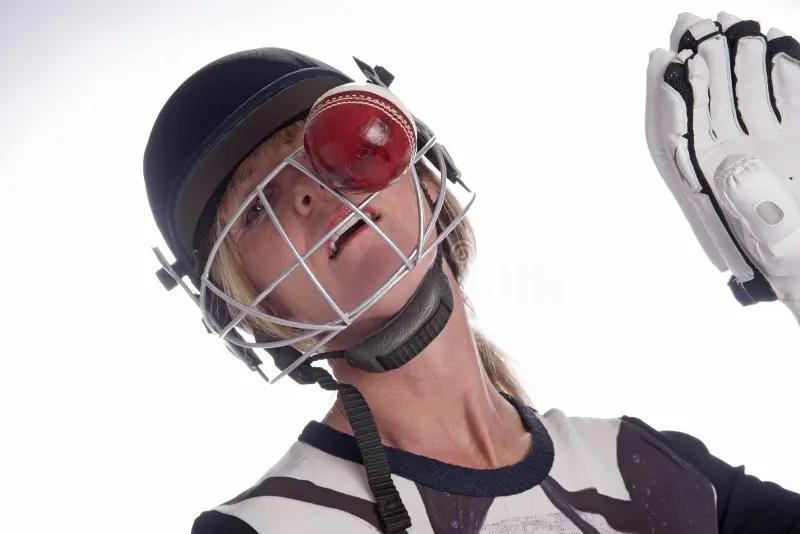
This is when the ball hitting the helmet in play takes an unprecedented twist. In this scenario, the ball does not instantly become dead when it hits a player’s helmet. Although the ball might have hit the helmet of either a batter or a close-in fielder, the game carries on until the ball naturally becomes dead. Runs scored off that delivery are naturally recorded, and unlike the earlier scenario, the fielding team DOES NOT get slapped with a 5-run penalty.
However, bearing player safety in mind, what follows is a mandatory concussion check after a player on either side copes a blow to his/her head. Furthermore, it is equally important to note that certain playing conditions around the world have made minor alterations to this rule. For instance, under ECB playing conditions, any ball hitting the helmet in play (whether worn or rested on the ground) is deemed to be a dead ball.
What Happens When The Ball Lodges Into The Player’s Helmet?
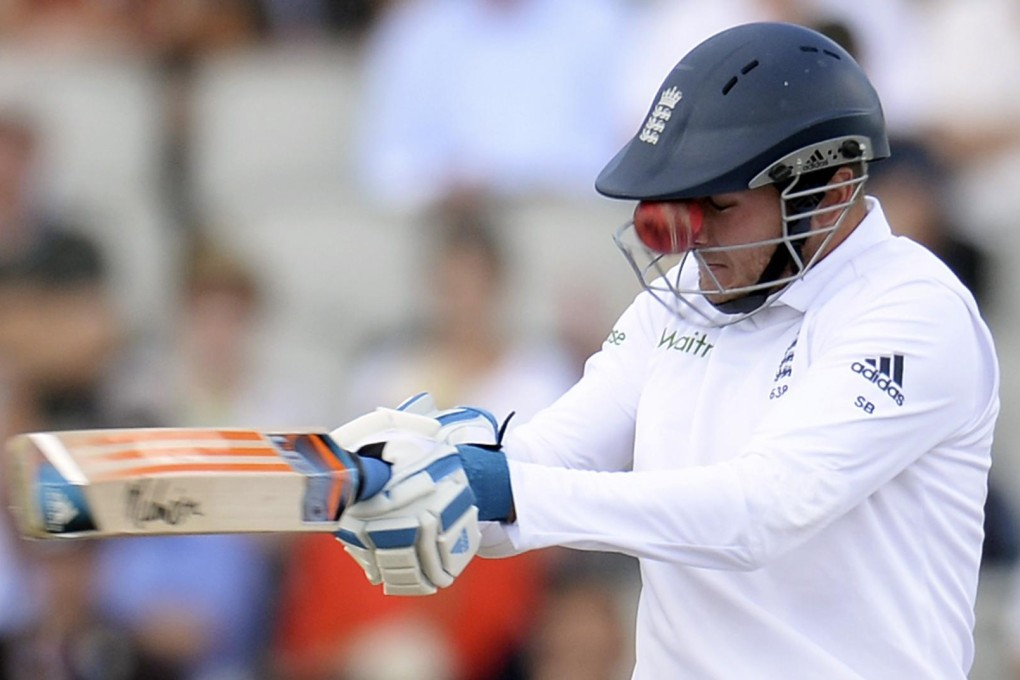
In a peculiar and rare case of the ball hitting the helmet and then lodging inside, the typical dead ball rules in cricket apply. Law 20.1.1 of MCC (or dead ball law) states that if any cricket ball gets trapped in a player’s or an umpire’s clothing or protective equipment, which also involves the helmet, then the ball immediately becomes dead. Refer to the exact ruling below.
20.1.1 The ball becomes dead when
DEAD BALL LAW (MCC)
20.1.1.4 whether played or not it becomes trapped between the bat and person of a batter or between items of his/her clothing or equipment.
20.1.1.5 whether played or not it lodges in the clothing or equipment of a batter or the clothing of an umpire.
There have been funny incidents recorded in the past wherein a fielder would try to claim a fair catch by plucking the ball either from the helmet grill or pads. As the current ruling suggests, there is no chance of a batter being dismissed under any circumstances when the ball becomes dead.
What Happens When The Ball Hitting The Helmet In Play Is Dislodged & Later Caught?

There have been a few isolated incidents of this kind in the past, but such rare occurrences have mostly been confined to amateur-level cricket. The MCC laws do not make provisions for such a scenario under the ball hitting the helmet in play. However, the ICC playing conditions make it very clear that even if the helmet falls off the fielder’s head after being struck, the catch remains valid, as the helmet is considered part of the fielder’s equipment when worn.
What Happens When the Helmet Drops To The Floor With The Ball Inside It?
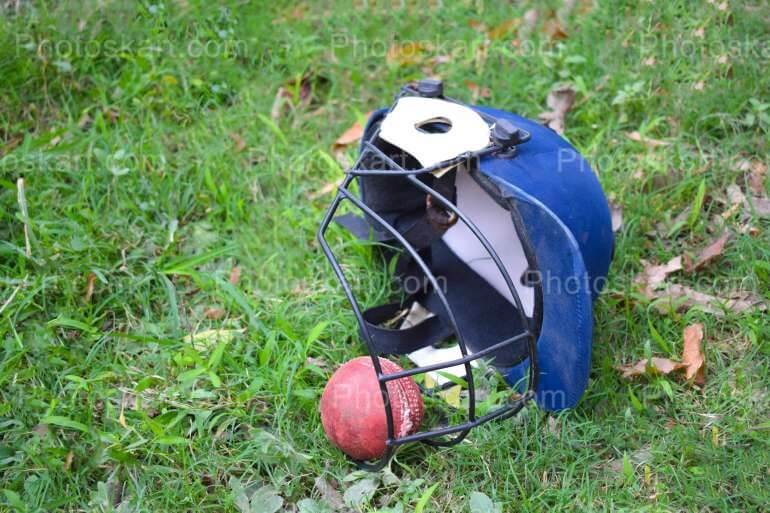
That will certainly qualify as not out, and the ball will be deemed to be in play. Once the helmet is detached from a fielder’s body and then makes subsequent contact with the turf, it is seen as the ball making contact with the ground. Besides, any discarded equipment that falls off the fielder’s person is not considered a part of his/her body. Hence, the catch won’t be considered fair even if the ball stays stuck inside the helmet after falling to the ground.
What If The Ball Hitting The Helmet In Play Goes Over The Boundary?
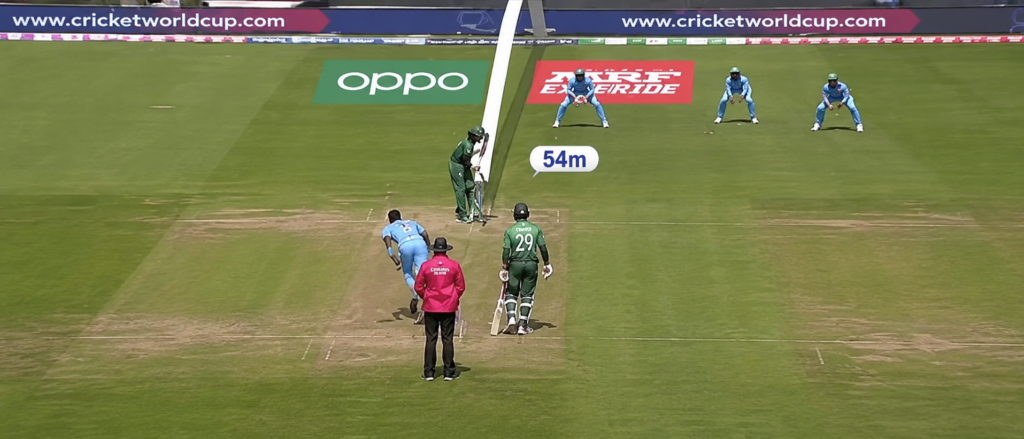
In a rare event like this, two possible scenarios need to be looked at. If the ball goes beyond the boundary after ricocheting off the helmet resting on the surface, then no boundary is awarded, and the ball immediately ceases to exist. However, if the ball comes off the batter’s helmet, then runs will only be awarded if the batter made a genuine attempt to play a shot. Only a boundary and not a six is to be awarded if the ball skips away towards the boundary fence without being in previous contact with the bat.
What If A Catch Is Taken After Ball Hitting The Helmet In Play?
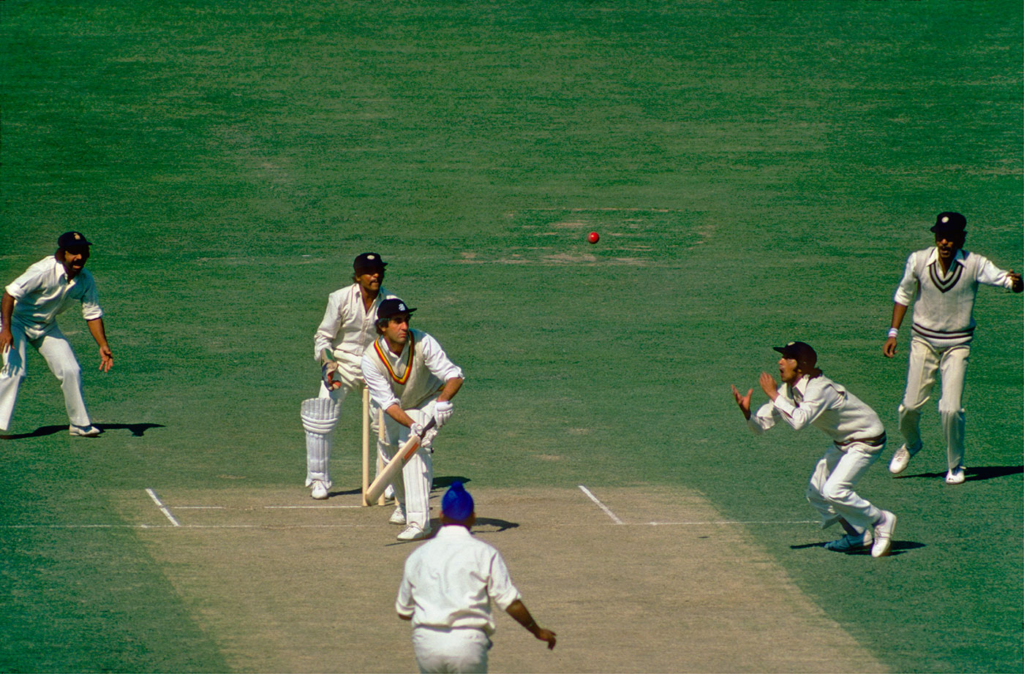
According to Law 31 of the MCC, also known as the Caught law, a catch will be deemed fair if the ball, without being in contact with the ground previously, is caught after a deflection from either a fielder or any object within the field of play. Refer to the exact MCC ruling below.
33.2.1 A catch will be fair only if, in every case
CAUGHT LAW (MCC)
33.2.2.1 the ball is held in the hand or hands of a fielder, even if the hand holding the ball is touching the ground, or is hugged to the body, or lodges in the external protective equipment worn by a fielder, or lodges accidentally in a fielder’s clothing.
33.2.2.2 a fielder catches the ball after it has been lawfully struck more than once by the striker, but only if it has not been grounded since it was first struck. See Law 34 (Hit the ball twice).
33.2.2.3 a fielder catches the ball after it has touched the wicket, an umpire, another fielder, a runner or the other batter.
33.2.2.4 a fielder catches the ball after it has crossed the boundary in the air, provided that the conditions in 33.2.1 are met.
33.2.2.5 the ball is caught off an obstruction within the boundary that is not designated a boundary by the umpires.
This would mean that the fielder can complete the catch off the deflection of a fielder, umpire, batter, or even the stumps, for that matter. The main criterion that can’t be overlooked is the fact that the cricket ball MUST NOT touch the ground at any given point.
Can A Helmet Be Used To Field The Ball?
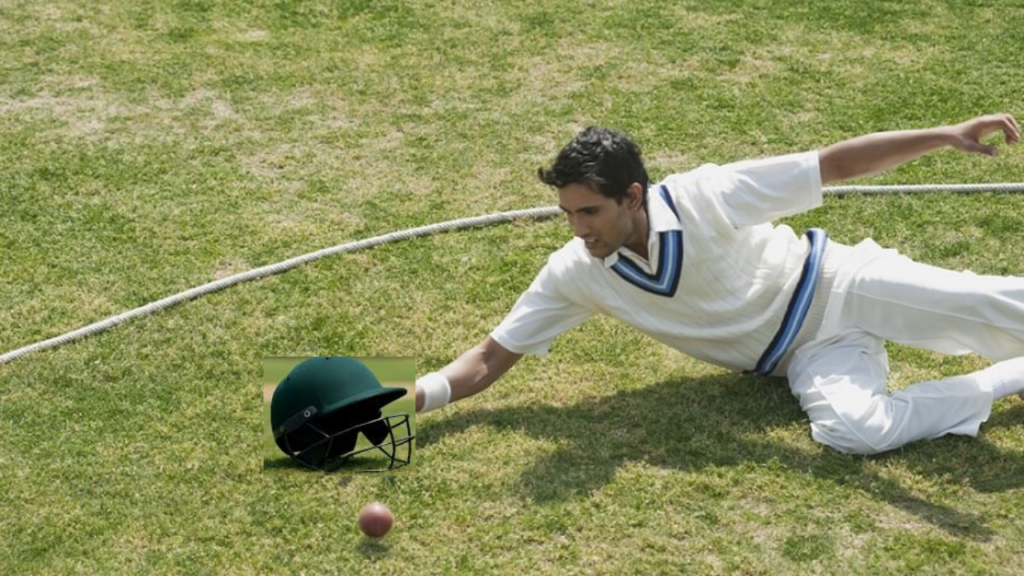
Hell no! That’s the most dreadful thing you can possibly do on a cricket field. Committing such a glaring fielding blunder will attract a hefty punishment from the on-field umpires. According to the prevailing regulations of the game, if any member of the fielding side is found to have fielded or caught the ball with his/her helmet, then that would qualify as an act of illegal fielding.
Under the Fielder Law of the MCC, no fielder is allowed to field or catch the ball with any part of his/her clothing or equipment. In other words, the use of objects such as a helmet, hat, sunglasses, or even a wristwatch is strictly forbidden and can lead to harsh penalties.
28.2 Fielding the ball (Illegal fielding)
Fielder LAw (MCC)
28.2.1.1 uses anything other than part of his/her person to field the ball.
28.2.1.2 extends his/her clothing with his/her hands and uses this to field the ball.
28.2.1.3 discards a piece of clothing, equipment or any other object which subsequently makes contact with the ball.
28.2.2 It is not illegal fielding if the ball in play makes contact with a piece of clothing, equipment or any other object which has accidentally fallen from the fielder’s person, or been dropped by an umpire.
In an unfortunate instance of illegal fielding, the fielding team is penalized by 5 penalty runs, and the ball in that over has to be rebowled.
Final Thoughts On Ball Hitting The Helmet In Play Rule
The ball hitting the helmet in play involves two main scenarios. The rules apply differently when a moving ball makes contact with a player’s helmet, as opposed to the ball hitting the helmet on the ground. Unlike the formative years of the game, any cricket ball hitting the helmet in play does not automatically qualify as a dead ball, nor is it deemed a no ball under the current rules of the game. The only genuine cases of a dead ball scenario arise when the ball hits the helmet resting on the surface or if it accidentally gets trapped inside the player’s helmet.
Looking to Share Your Cricket Coaching Expertise?
We’d love to work with passionate cricket experts like you. Whether you’re a coach or part of an academy, collaborate with us to create high-quality content and help make cricket coaching free and accessible to everyone.
Collaborate With Us