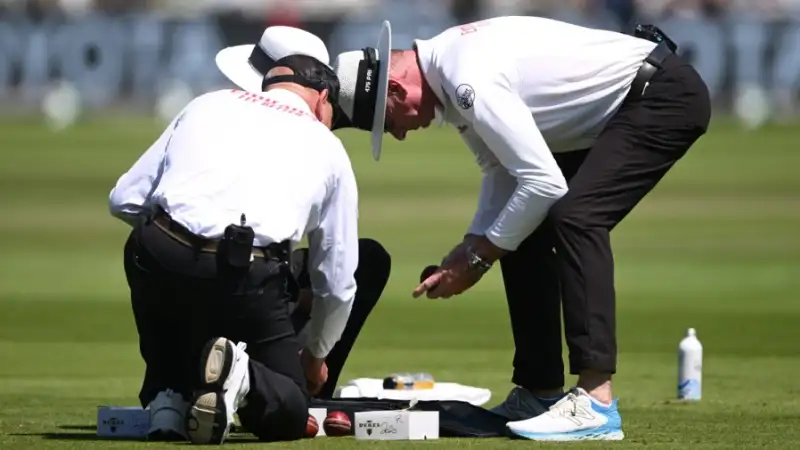
So what happens in a situation when a cricket ball is lost in a live cricket match? Did this situation ever occur to you? What possible options can the match officials consider when a cricket ball is lost? As an ardent cricket fan, these thoughts must have surely crossed your mind at least once in your lifetime.
In this article, we will attempt to put all these burning questions to rest. Unlike the no ball rule in cricket, where a fielding side gets penalized with a run being awarded to the opposite team, no punishment is awarded to them when a cricket ball is lost. This not-so-ideal situation arises thanks to the sheer domination that modern-day batters enjoy these days. Due to the unfair relaxation of rules, which we are often accustomed to seeing these days, batters can effortlessly clear the boundary at will. But that does not necessarily mean that the barters are penalized either.
So if none of the sides are penalized, then what are the real consequences when a cricket ball is lost? Does the match come to a halt? Momentarily, yes, as the authorities scramble to retrieve the lost ball. They will then move on with the game as soon as the ball is found. But a failure to do so would prompt the match officials to opt for a replacement ball.
So, how does that apply in real time? Can any ball be used as a replacement ball? We will look at what the existing rules and the current playing conditions have to say in a situation when a cricket ball indeed gets lost in a cricket match.
According to MCC Law 4.5, if a cricket ball is lost, becomes unplayable, or is deemed unfit by umpires due to normal use, it is replaced by one with comparable wear.
4.5 Ball lost or becoming unfit for play
If, during play, the ball cannot be found or recovered or the umpires agree that it has become unfit for play through normal use, the umpires shall replace it with a ball which has had wear comparable with that which the previous ball had received before the need for its replacement. When the ball is replaced, the umpire shall inform the batters and the fielding captain.
The umpires must inform the players once the ball is replaced. However, your attention might get drawn to one new word here, which says “comparable wear and tear”.
Wondering what that means? Let’s break it down…
In an ideal world, before opting to replace the ball, an umpire needs to determine how new or old the ball was at the time of getting lost. If the ball was relatively new, then a semi-new ball with sufficient lacquer and shine must be used as a replacement. Similarly, if the ball gets too old or scuffed up before being irrecoverable, then the umpires will replace the lost ball with an older ball with similar deterioration. While choosing a replacement ball with a similar wear & tear, the concerned umpire must compare the existing physical properties (shine & seam) of the replacement ball with the lost ball in a bid to be as consistent as possible.
But replacing a lost ball without taking the comparable wear & tear into account is strictly against the rules of the game.
Examples Of Comparable Wear & Tear
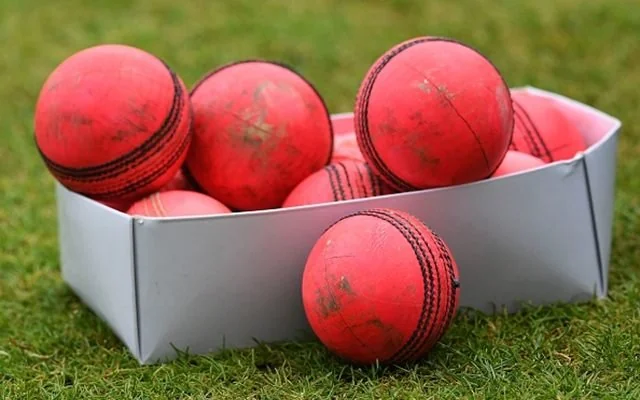
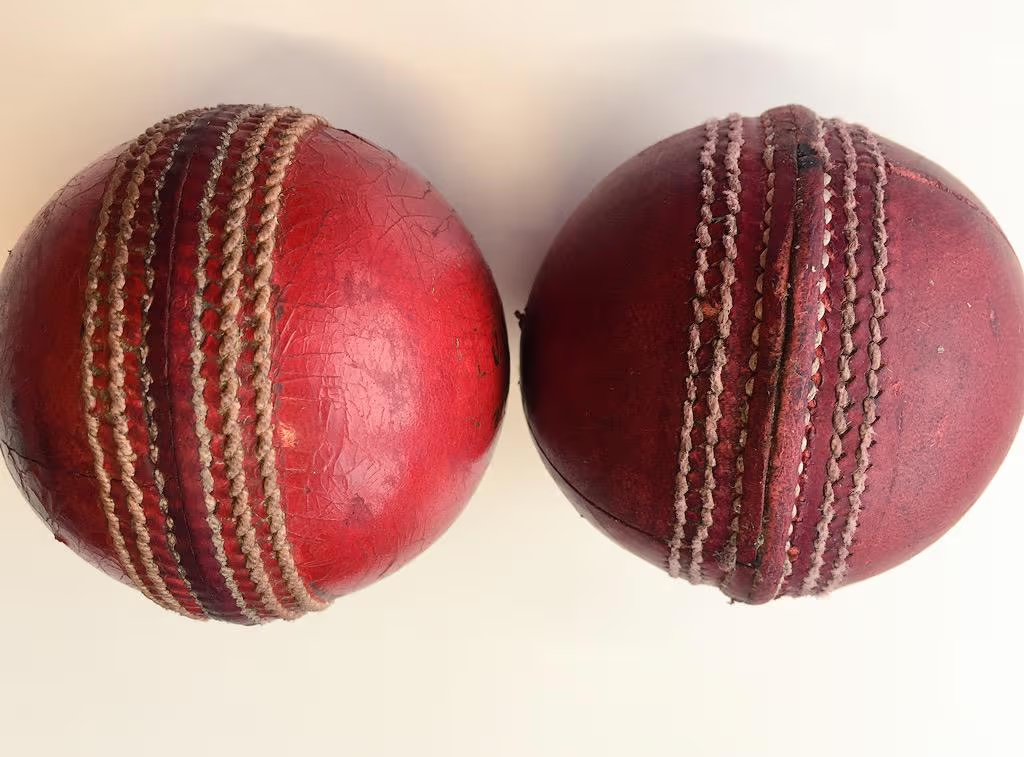
How Is a Match Ball Replaced In a Running Game?
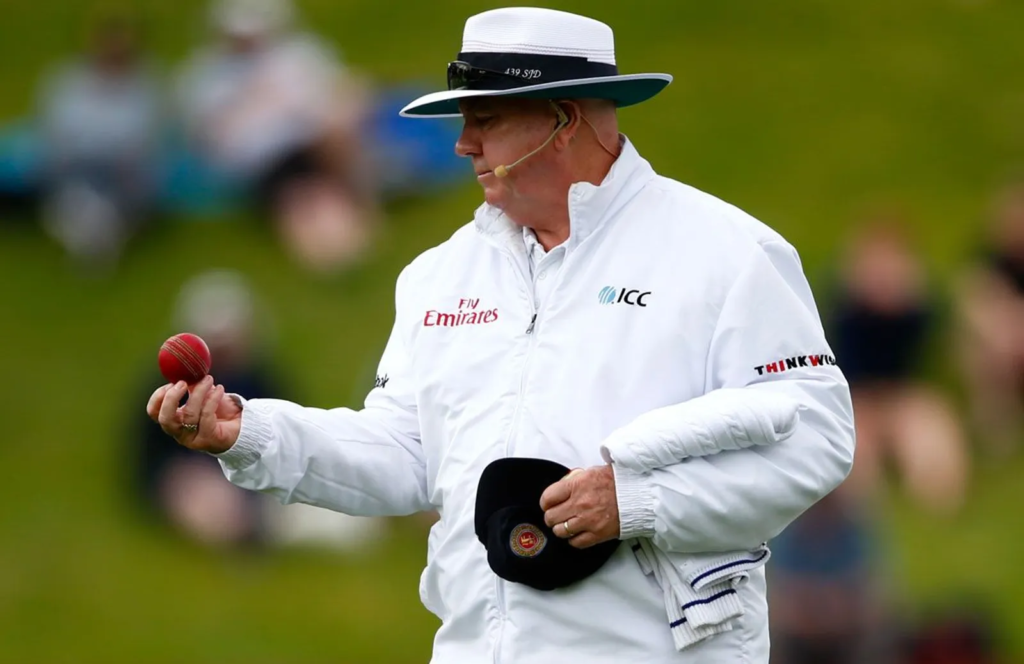
In a regular ICC-sanctioned game, the first thing that happens when a cricket ball is lost is a genuine attempt to retrieve the lost ball. This could mean either recovering the ball from the crowd or heading outside the ground altogether. In any case, it is the responsibility of the security personnel to obtain the lost ball and return it back to the field of play.
However, should the security or anyone from the ground authorities fail in their quest to recover the lost cricket ball, then a replacement ball is permitted according to the rules of the game. The fourth official, also known as the reserve umpire, is tasked with bringing a bag full of replacement balls with varying wear and tear. Depending on the state of the game and the overall wear and tear that the lost ball might have received, the on-field umpires select the most feasible replacement ball of comparable condition from the available stock. The decision to replace the lost ball rests solely with the on-field umpires. The game resumes the moment the ball is replaced with the same bowler bowling to the same batter, unless it’s the end of the over.
What Happens When a Cricket Ball Is Lost & Can’t Be Replaced?
In rare circumstances when a lost cricket ball can’t be replaced with a similar ball, the match still goes on regardless. However, such occurrences have seldom happened at the highest level of the game. The ICC stores a massive stockpile of cricket balls catering to different wear stages. Balls are prepared in advance for different overs/stages. So even in a highly unlikely event when a ball is repeatedly lost to the crowd, the officials still have adequate backup at their disposal.
The core idea is to prioritize continuity and fairness, not perfection. A replacement ball with an identical wear and tear may not always be available. The primary task for the umpires is to select a ball that has a close resemblance to a lost cricket ball. The umpires can make several inspections before choosing a replacement ball and can also show it to the captains informally. However, when the replacement is done, the players do not have the right to challenge the decision.
Interesting Circumstances That Arise When a Cricket Ball IS NOT Lost
A cricket ball can typically give rise to some very delightful complications. You might be keen to know what the rules have to say when any of the following happen below:
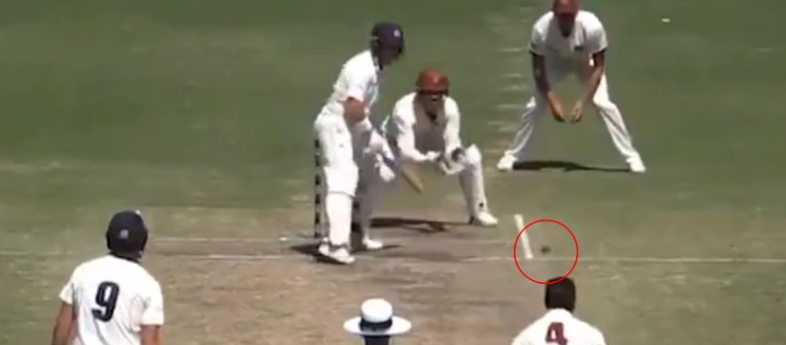
Ball landing outside the pitch:
Deal Ball & No-Ball?

Ball pitching outside off-stump:
Know exactly when a batter can be out LBW!