
-
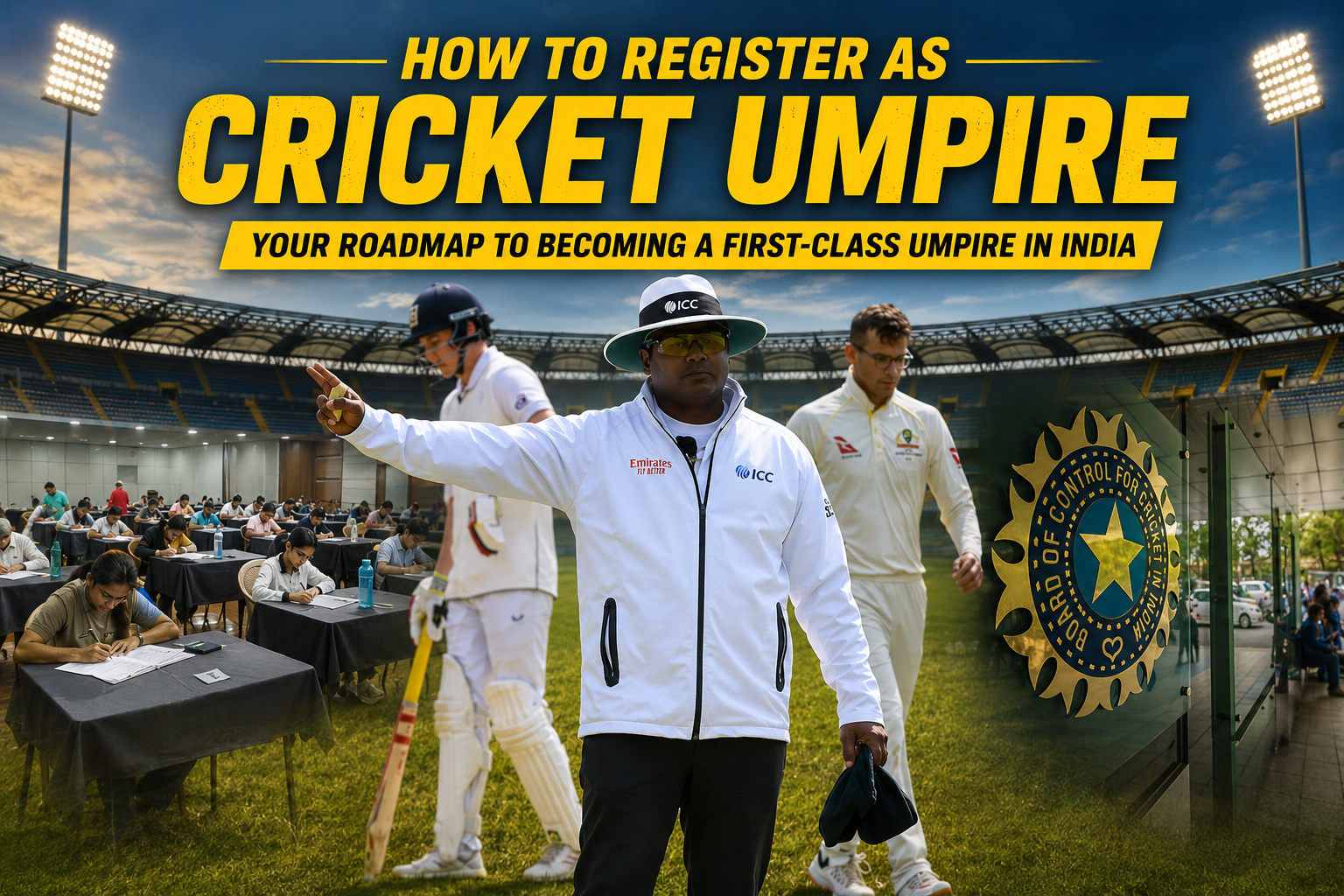
How to Become a Cricket Umpire in India
To become a BCCI-registered cricket umpire in India, you first pass your state association’s Level 1 umpire course (the Karnataka…
-
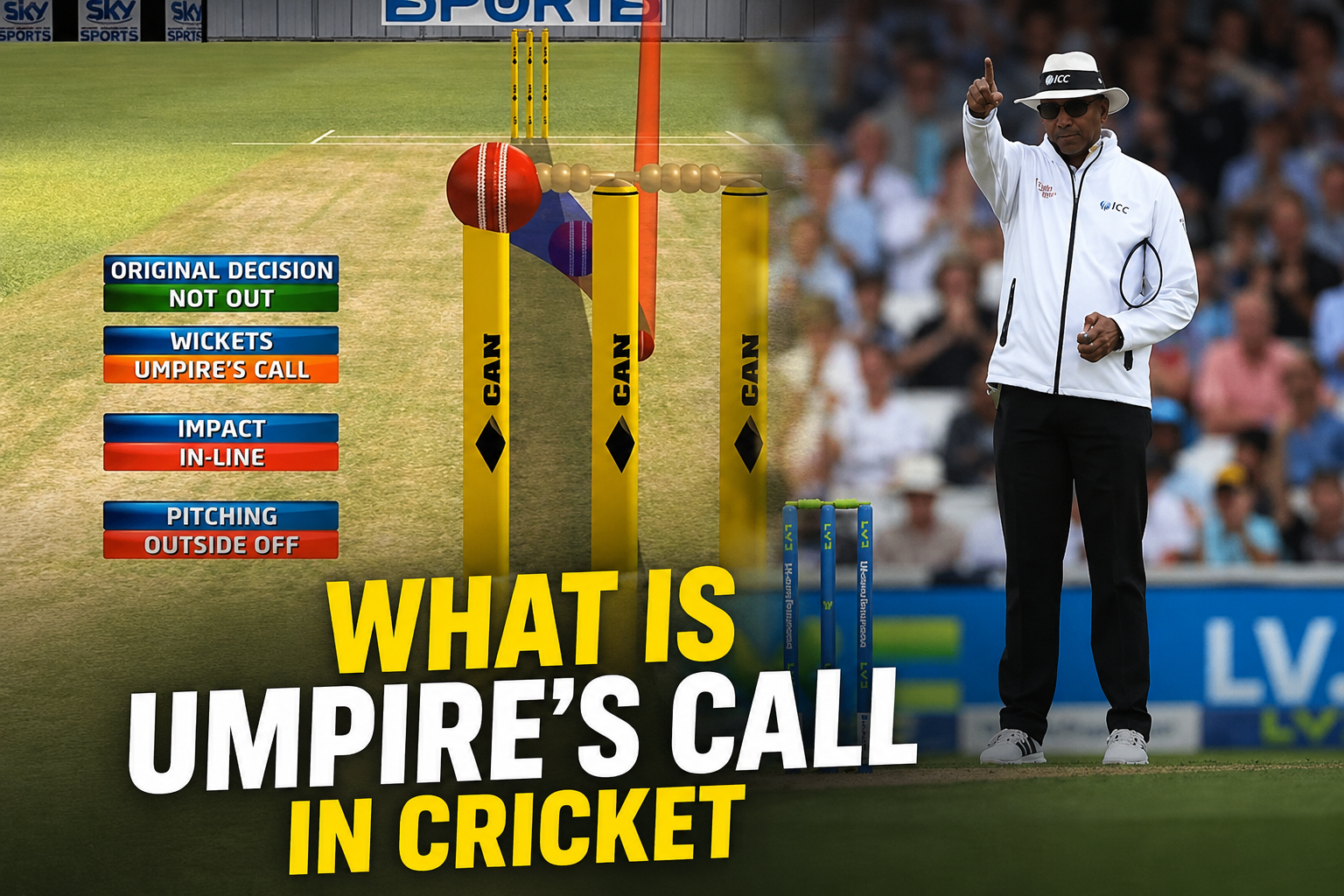
Umpire’s Call in Cricket: DRS Rule Explained
Umpire’s call is one of the most misunderstood aspects of DRS in cricket, particularly when it comes to close LBW…
-

Brian Devine’s ‘Clicky Ponting’ Cheating Scandal Exposes Grave Flaws in Local English Club Cricket Culture
A shocking cheating scandal has emerged from English club cricket, with a local league fixture now making headlines around the…
-
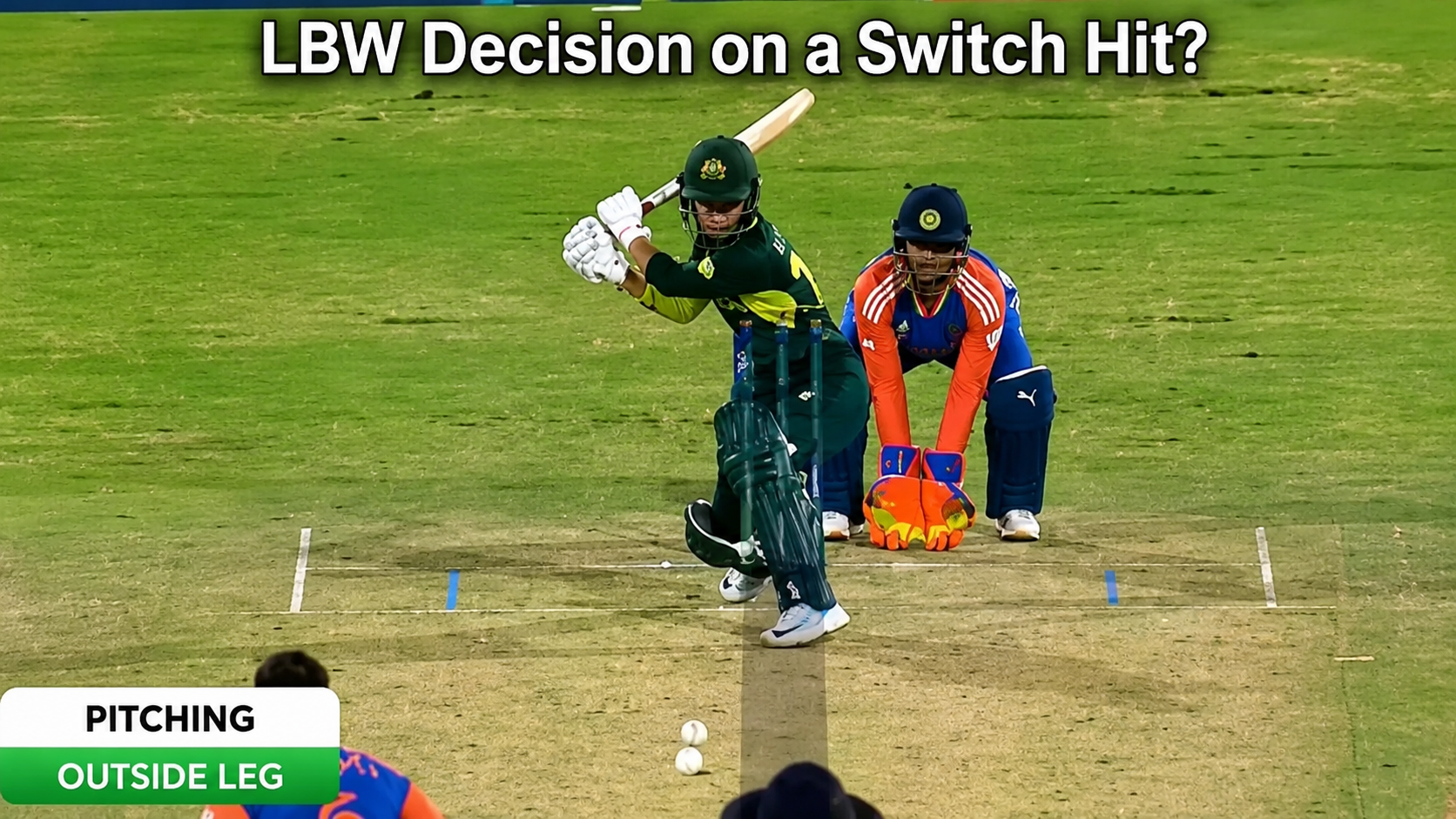
Can You Be Given LBW While Attempting a Reverse Switch Hit? Cricket Rules Explained
Can a batter be given LBW in cricket while attempting a reverse or a switch hit? It’s a question which…
-
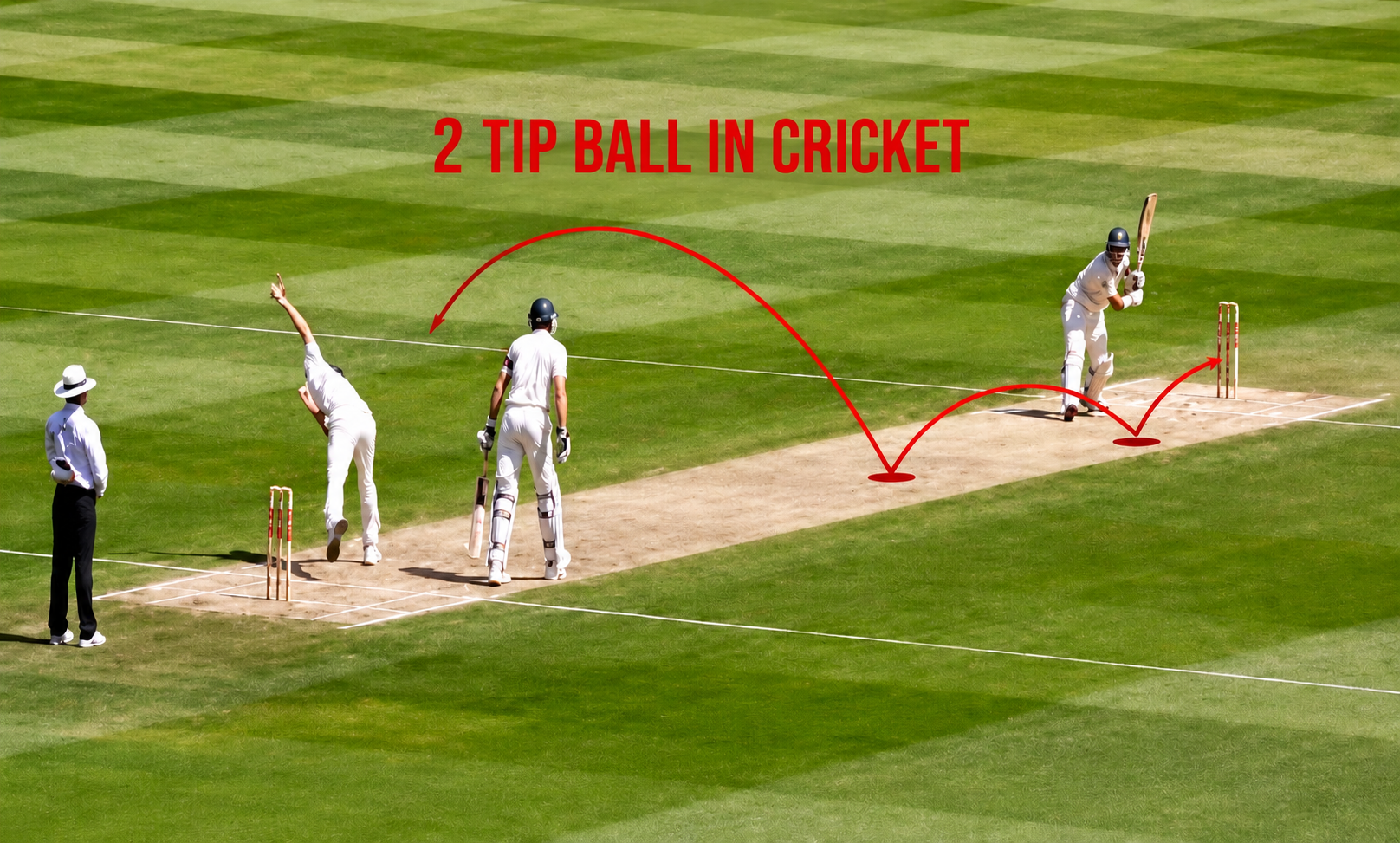
Can a Ball Bounce Twice in Cricket? Double Bounce No Ball Rules Explained
A ball that bounces twice before reaching the batter is called a no ball under Law 21.7. The batter can…
-
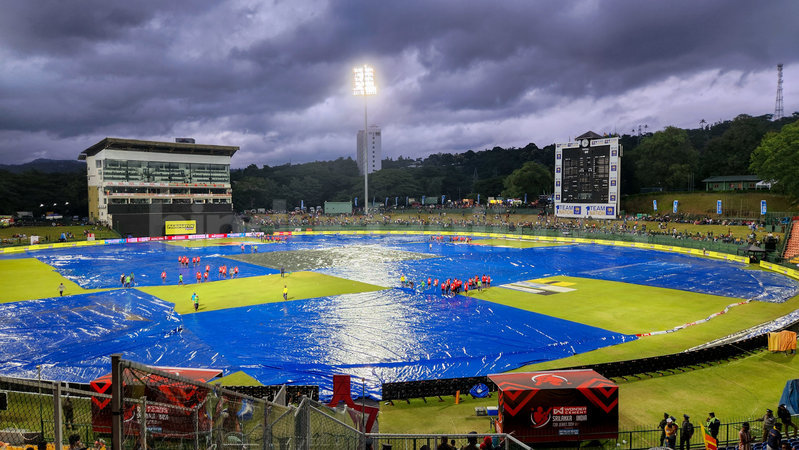
DLS Method in Cricket: Complete Breakdown of Rules, Formula & Practical Application
The Duckworth-Lewis-Stern method resets the target when rain interrupts a limited-overs match. It works by calculating the ‘resources’ each team…
-

Rain Delay Rules in T20 & ODI Cricket: How To Perform Over Calculation During Rain Interrupted Match
In a T20 international, a match needs at least 5 overs per side to produce a result. In a 50-over…
-
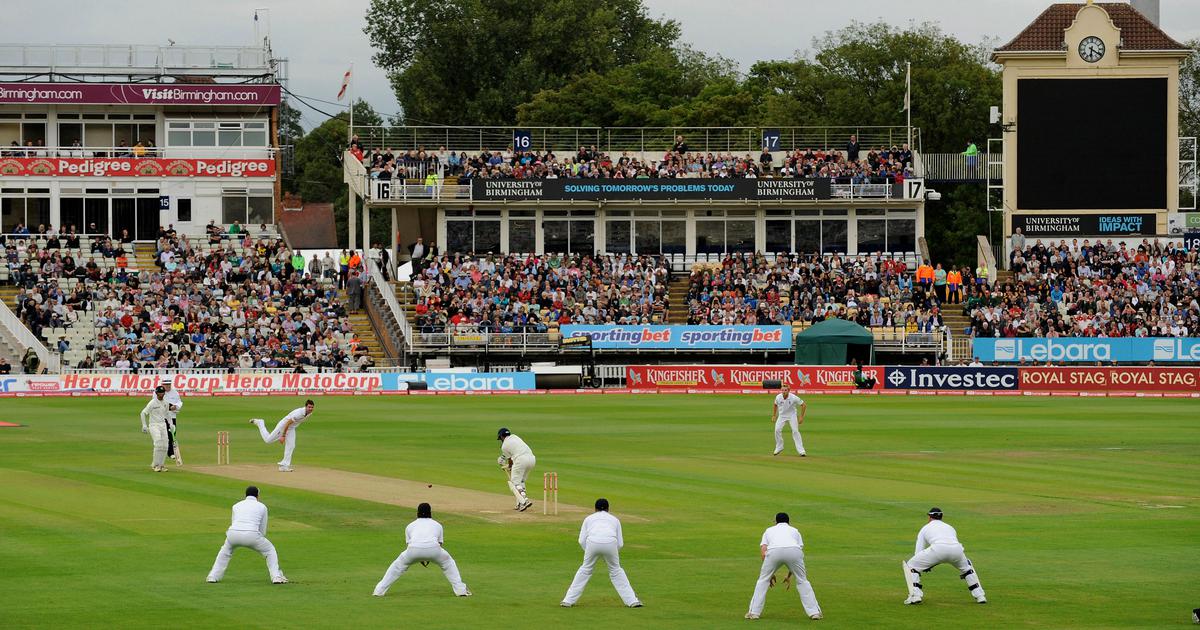
All Fielding Positions in Cricket: 11 Key Cricket Fielding Position Names Explained
A cricket team fields 11 players. One is the wicket keeper who stands behind the stumps, and the other 10…
-
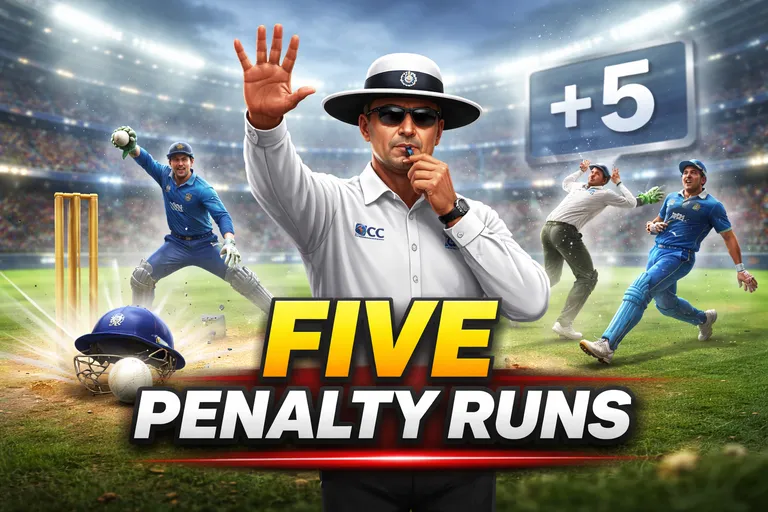
What Are 5 Penalty Runs in Cricket? Full Rule Explained with Examples
A 5-run penalty (shown as ‘5 pen’ or ‘P5’ on the scoreboard) is awarded when the umpire calls a rule…
-
Ball Hitting The Helmet In Play – No Ball or Dead Ball? Full Rule Explained
The ball hitting the helmet in play is perhaps one of the most puzzling topics in the world of cricket.…
Latest Posts
-

Best Cricket Academies in Bangalore: Fees, Facilities & Coaching
The best cricket academies in Bangalore for 2026 are the…
-

Best Cricket Academies in Delhi: Fees, Facilities & Coaching
Choosing among the best cricket academies in Delhi involves more…
-

Codigo Promocional Megapari 2026: 30,300 MXN + 150 Free Spins y Free Bet de 1,975 MXN
Codigo promocional Megapari: si estás buscando un codigo promocional Megapari…