
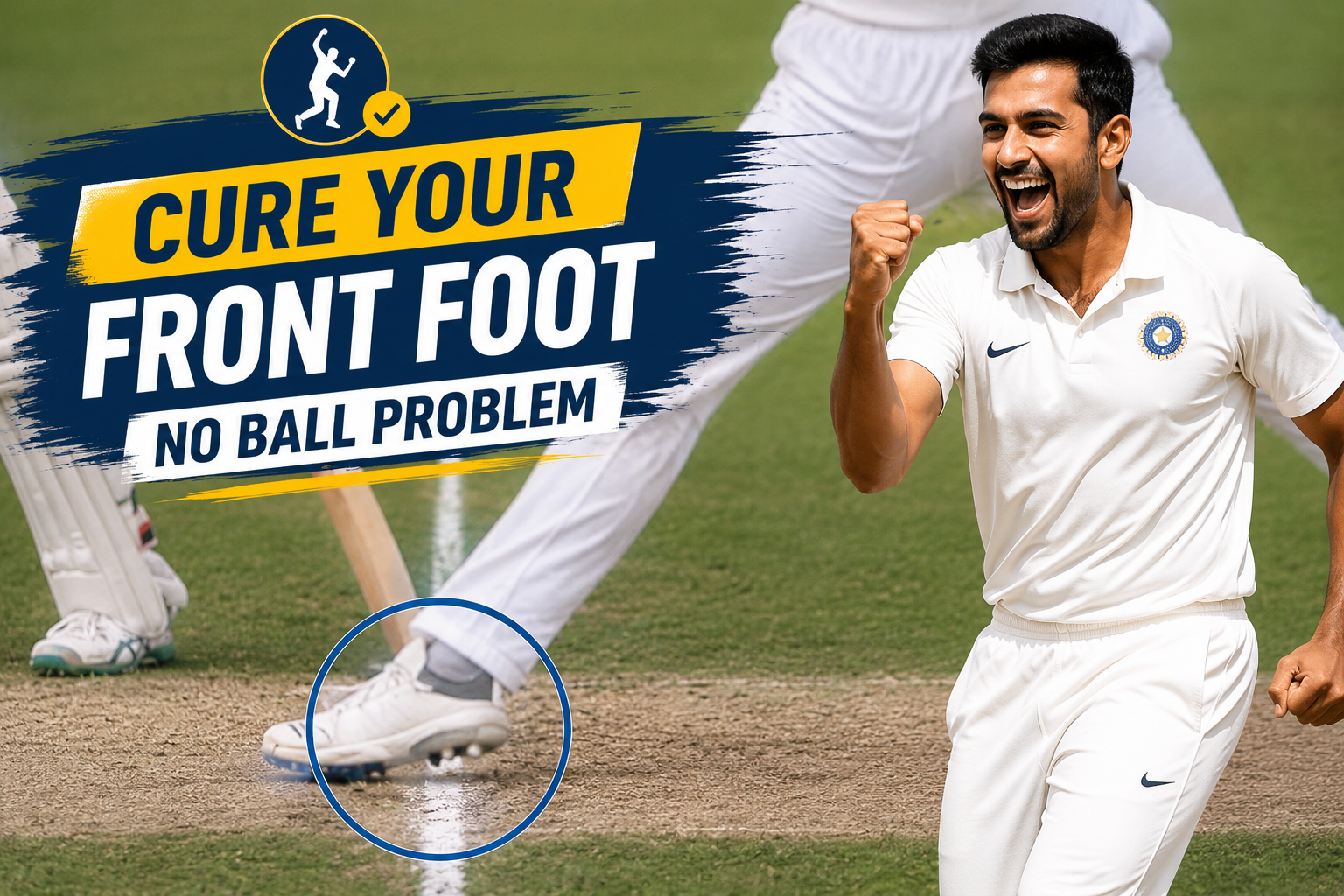
A no ball in cricket can completely change the momentum of a match. Not only does it hand the batting side an extra run, but it also gives the batter a free hit in limited-overs cricket and forces the bowler to deliver an additional ball. Even experienced fast bowlers occasionally struggle with front-foot no balls, especially when trying to generate extra pace or bowl under pressure.
Fortunately, front-foot no balls are usually the result of technical flaws rather than bad luck. By making a few adjustments to your run-up, landing position, and overall bowling rhythm, you can dramatically reduce the chances of overstepping the crease.
While it’s important to understand the front foot no ball rules in cricket and the official no ball rules in cricket, becoming a disciplined bowler is about developing repeatable habits. In this guide, we’ll explain the most common causes of a no ball in cricket, practical ways to eliminate them, and simple bowling drills you can use during practice.
Common Reasons for Front Foot No Ball in Cricket
The margin for error in the case of a front foot no ball in cricket is quite minimal these days. You err as a bowler even by a fraction, and you risk going the distance. Penalties covered under front foot no ball rules in cricket are quite harsh and unforgiving for a fast bowler. To get over this frustration, it is important to address the core issues faced by fast bowlers and why they run into this problem in the first place.
They are as follows:
An Inconsistent Run-Up
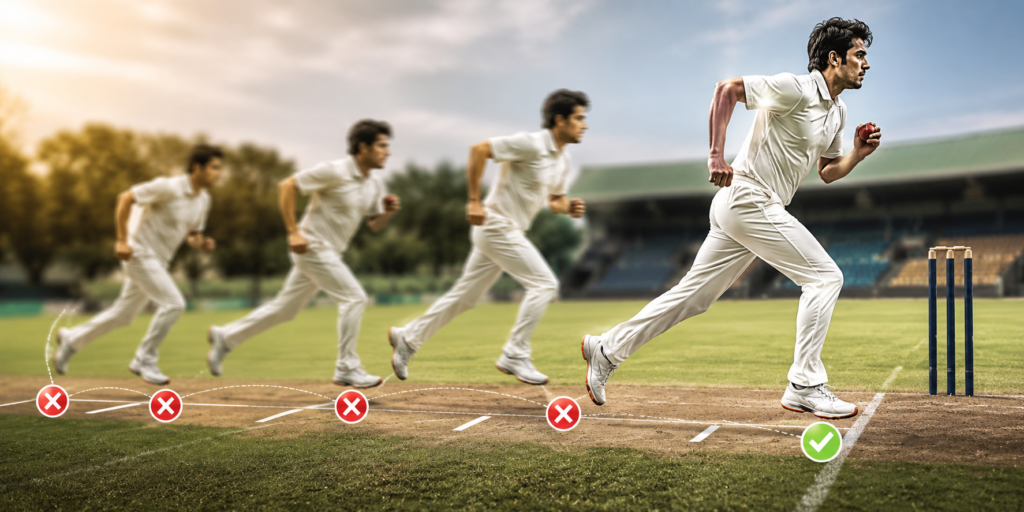
One of the biggest causes of a no ball in cricket is an inconsistent run-up. If your starting mark changes from ball to ball, your landing foot will naturally become unpredictable. Some deliveries may land comfortably behind the crease, while others will result in costly oversteps.
Elite fast bowlers work hard to ensure every run-up begins from exactly the same position. Developing a repeatable rhythm not only helps prevent front-foot no balls but also improves overall bowling accuracy.
Overstriding at the Crease
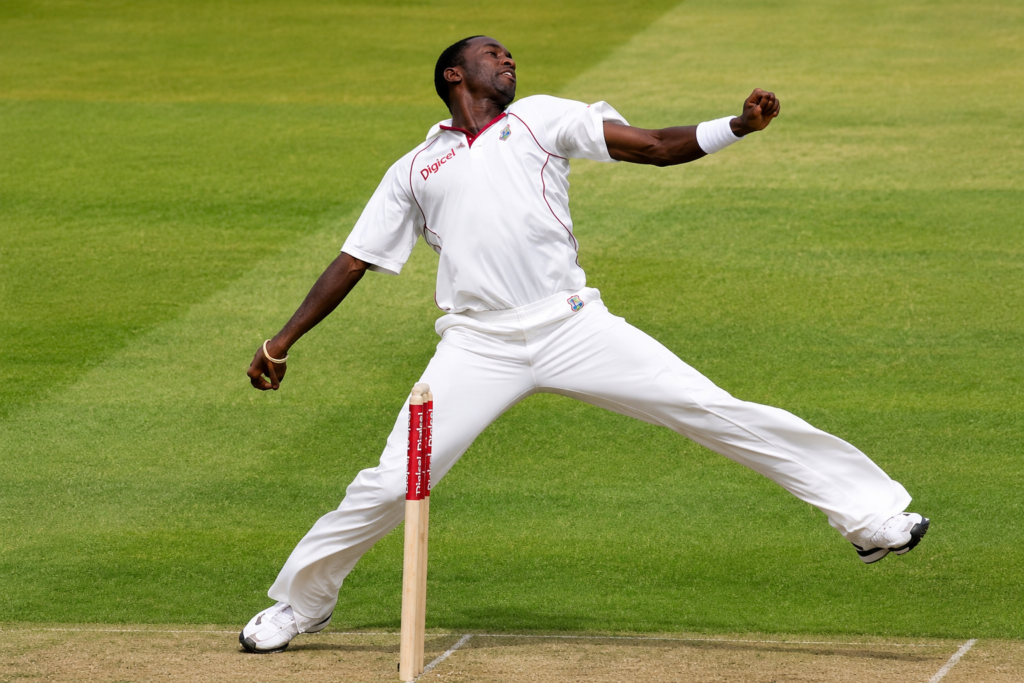
Many bowlers try to gain extra pace by taking an unusually long final stride before releasing the ball. While this may occasionally increase speed, it often pushes the front foot beyond the popping crease, leading to another no ball in cricket.
Instead of chasing distance, focus on maintaining a balanced and controlled delivery stride.
Trying to Bowl Too Fast
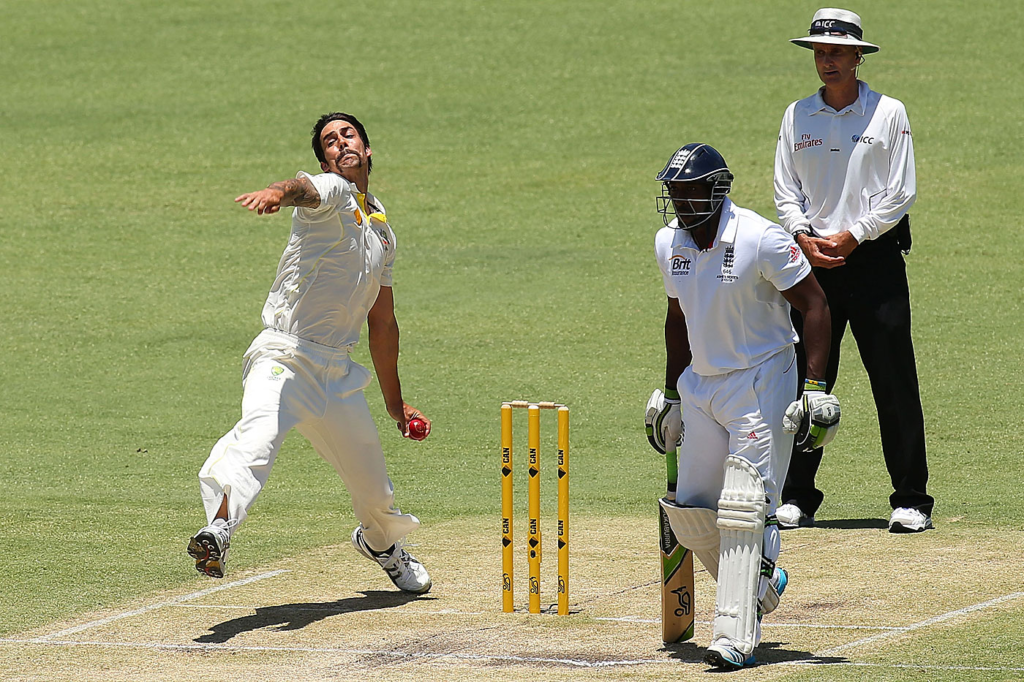
As Ian Pont rightly pointed out in his above tutorial video, trying to gain some extra yards can get you dangerously close to flirting with the front line. Young bowlers frequently associate speed with success. As they attempt to bowl faster, they unknowingly lengthen their run-up and jump farther into the crease.
This aggressive approach commonly results in repeated front-foot no balls. Remember, bowling with good rhythm is far more effective than sacrificing control for a few extra kilometres per hour.
Poor Balance During Delivery
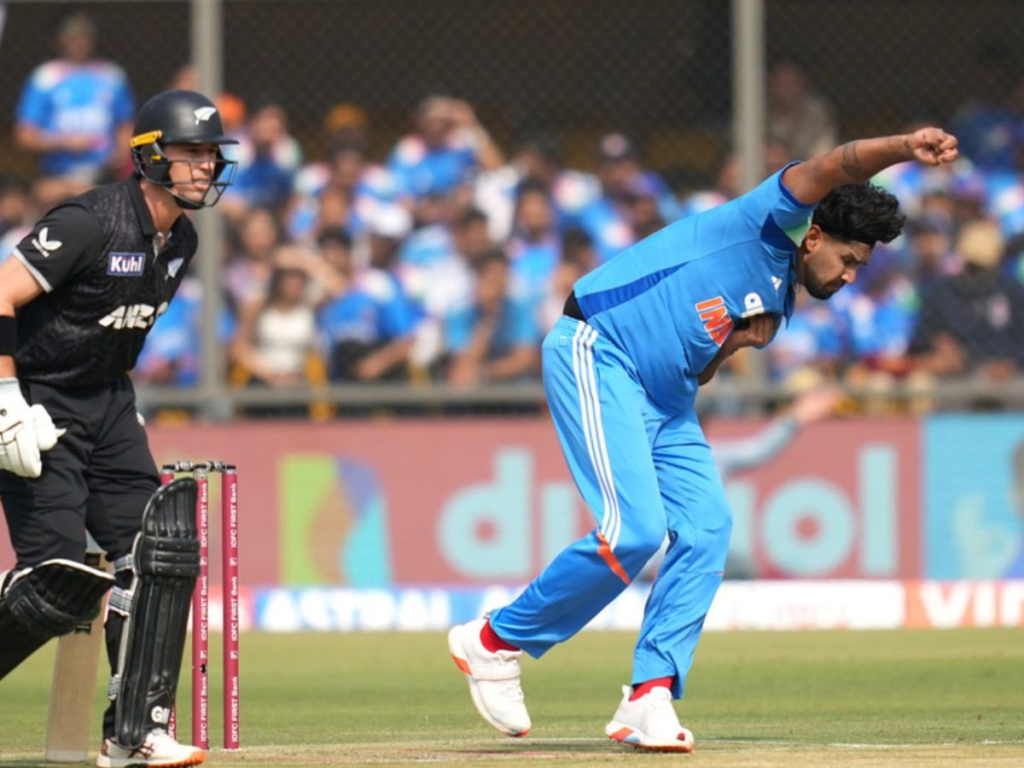
A bowler who loses balance at the crease often struggles to control where the front foot lands. Falling sideways, collapsing through the action, or leaning excessively into the delivery all increase the chances of bowling a no ball in cricket.
Maintaining a stable head position and a strong front leg allows you to deliver the ball under control while remaining within the front foot no ball rules.
Ways to Fix Front Foot No Ball in Cricket
In these four simple ways, you can do yourself a favor and avoid bowling front foot no ball in cricket once and for all. These hacks are very fundamental, beginner-friendly, and easily adoptable at any level of the game.
Perfect Your Run-Up
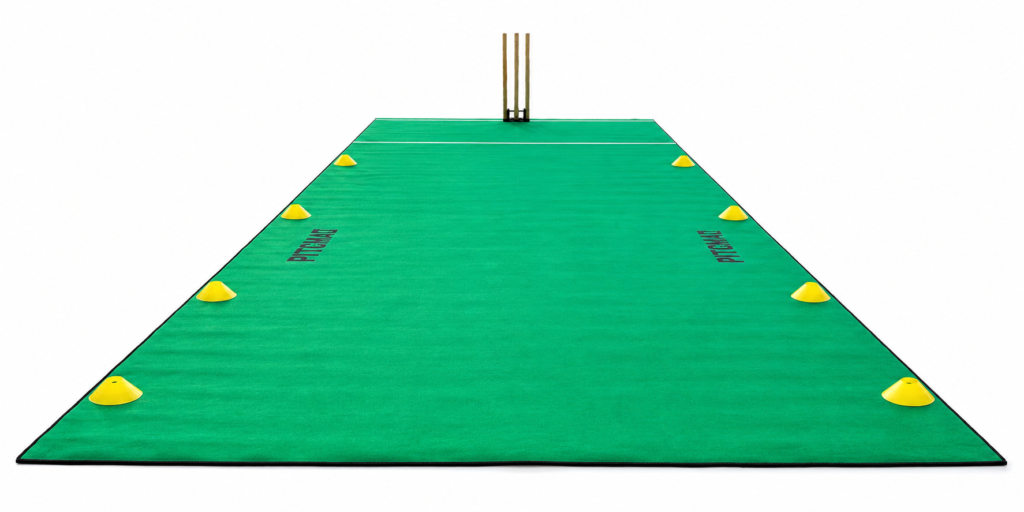
Your run-up should feel natural and repeatable. Mark your starting point clearly and practise reaching the crease using exactly the same number of steps every time. The above fast bowling tutorial offers detailed advice on how you can mark your bowling run-up with the help of simple tools such as cones and a measuring tape.
We have covered this section separately in our ultimate fast bowling guide, aimed at resolving the fundamental issues faced by fast bowlers in the early stage of their careers.
Trust Your Bowling Rhythm
Instead of sprinting towards the crease, build momentum gradually. A smooth rhythm gives you greater control over your landing position and significantly reduces the likelihood of bowling a no ball in cricket.
Keep Your Eyes on the Target
Avoid looking down at the crease just before delivery. Trust your run-up and focus on your target, where you want the cricket ball to ideally land. Looking down at the last moment often disrupts your bowling action and timing.
Stay Balanced Through Release
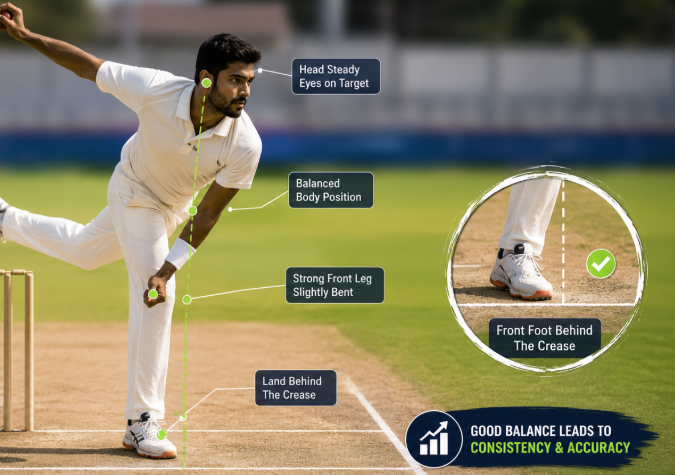
Good balance is essential for consistent bowling. Keep your head steady, avoid excessive lunging, and allow your front foot to land naturally rather than forcing it towards the crease.
Key Drills Recommended to Fix Front Foot No Ball in Cricket
Fast bowling drills are one of the quickest ways to eliminate a no ball in cricket. Build a repeatable run-up, improve your balance at the crease, and train your landing position to stay behind the popping crease every delivery.
Marker Cone Run-Up Drill
Place cones at your starting mark and key checkpoints throughout your run-up. Bowl repeatedly while ensuring you hit every marker consistently.
This drill builds rhythm and helps eliminate unnecessary variation that often leads to a no ball in cricket.
Crease Awareness Drill
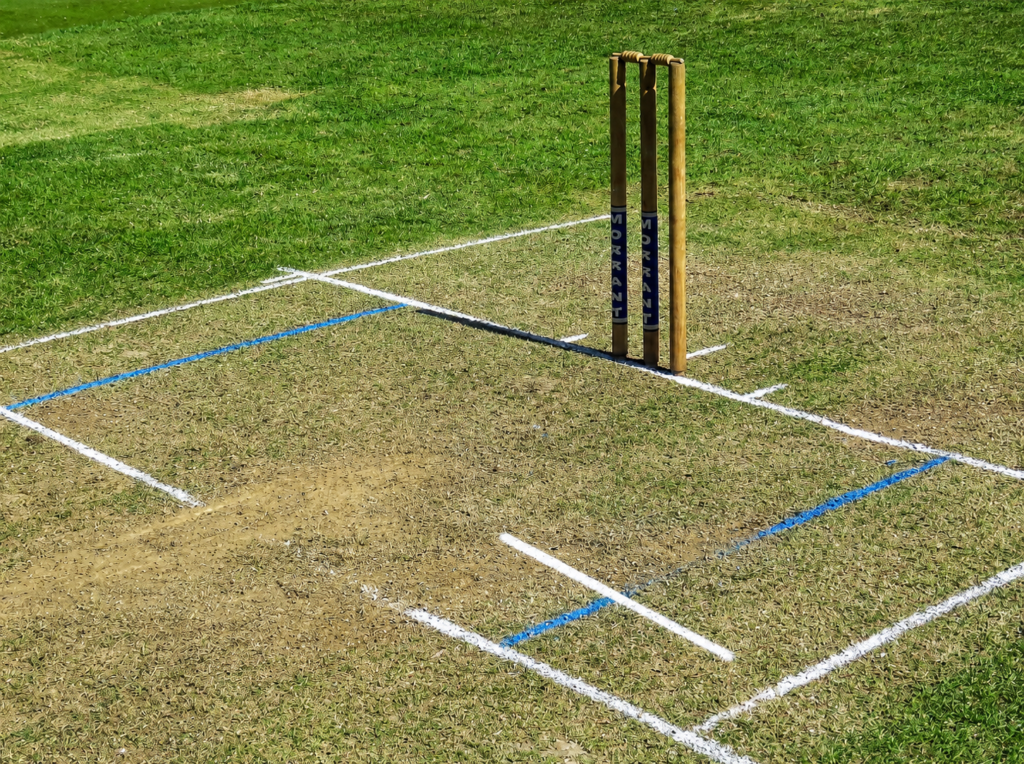
Use tape or chalk to create a visual line just before the popping crease. During practice, aim to land your front foot comfortably behind the line on every delivery.
Over time, your body develops a natural awareness of where the crease is without needing to look down.
Shadow Bowling Drill
Perform your full bowling action without releasing a ball. Concentrate entirely on your run-up, landing position, and balance.
This simple exercise removes the pressure of bowling and allows you to refine your technique while staying within the front foot no ball rules in cricket.
Closing Thoughts On Avoiding Front Foot No Ball in Cricket
A no ball in cricket is one of the easiest mistakes to eliminate with the right coaching and consistent practice. By improving your run-up, maintaining a balanced delivery stride, and trusting your natural rhythm, you’ll significantly reduce overstepping while becoming a more accurate and dependable bowler. Although understanding the no ball rules and front foot no ball rules in cricket is important, long-term improvement comes from building sound habits every time you train.
For more practical bowling drills, batting techniques, fielding advice, and useful cricket coaching tips, be sure to explore our Cricket Coaching resource section regularly. At CricVision, we’re committed to helping cricketers of every level improve their game through simple, actionable coaching guides.
More On Cricket No Ball Topics

From Height No Balls to Full Tosses: Everything You Need to Know About No Ball Rules in Cricket
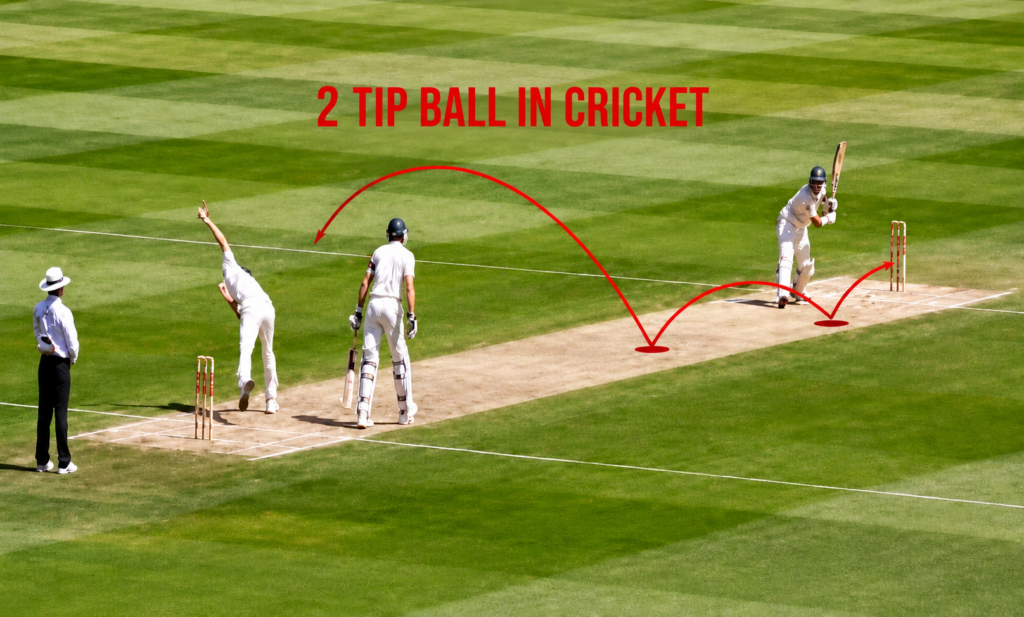
Is It a No Ball If a Ball Bounces Twice? Complete Breakdown Of Double Bounce No Ball Rules
How Many Bouncers Are Allowed in an Over? 2nd Bouncer Rule in Cricket Simplified
Looking to Share Your Cricket Coaching Expertise?
We’d love to work with passionate cricket experts like you. Whether you’re a coach or part of an academy, collaborate with us to create high-quality content and help make cricket coaching free and accessible to everyone.
Collaborate With Us