
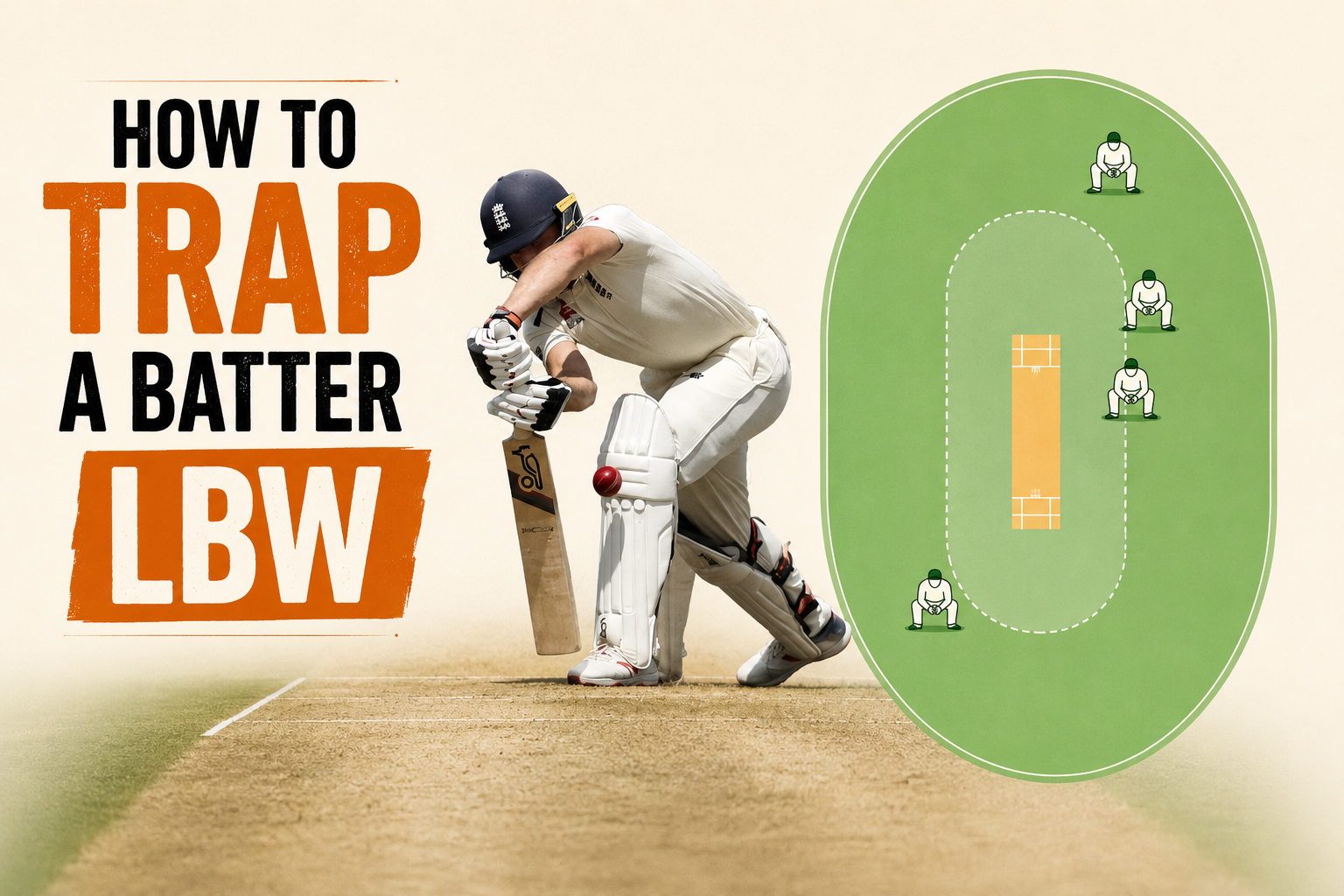
As a fast bowler, there is no better feeling than shattering the stumps of an in-form batter or trapping him/her LBW (Leg Before Wicket) in cricket. No batter in the game enjoys being adjudged LBW in cricket. It exposes their vulnerabilities and highlights their weakness against facing an in-dipping delivery. But a lot of work goes into planning and preparation to trap the batter LBW. Batters these days have a lot going in their favor. From shorter boundaries to bigger-sized bats, modern-day batters have a plethora of resources at their disposal to thwart the threat of fast bowling.
But amid all this, a few brave souls still manage to stand up and make the most of the LBW rules to outfox the batters LBW. The trick is to bowl according to the fielding positions and ensure that no two deliveries are the same. The more the batter has to second-guess, the greater the chances are of getting dismissed under the LBW rule.
In this guide, we will outline 4 simple ways a fast bowler can use to trap a batter in their web nd eventually dismiss them under relevant LBW rules in cricket.
Step-by-Step Demonstration Of Trapping A Batter LBW
The inswinger is perhaps the best delivery used to deceive the batter and eventually trap them LBW. It’s the type of delivery that curls into the batter either through the air or off the pitch. An inswing ball is a potent weapon that must be introduced as an element of surprise to make the batter a victim of the dreaded LBW rule.
However, before you bowl your inswing ball, a fast bowler must set the batter up with a variety of other deliveries to keep the batter unsure at all times. Let’s walk you through 4 simple ways that you can emulate to trap the batter LBW in cricket.
Introduce The Bouncer Ball First
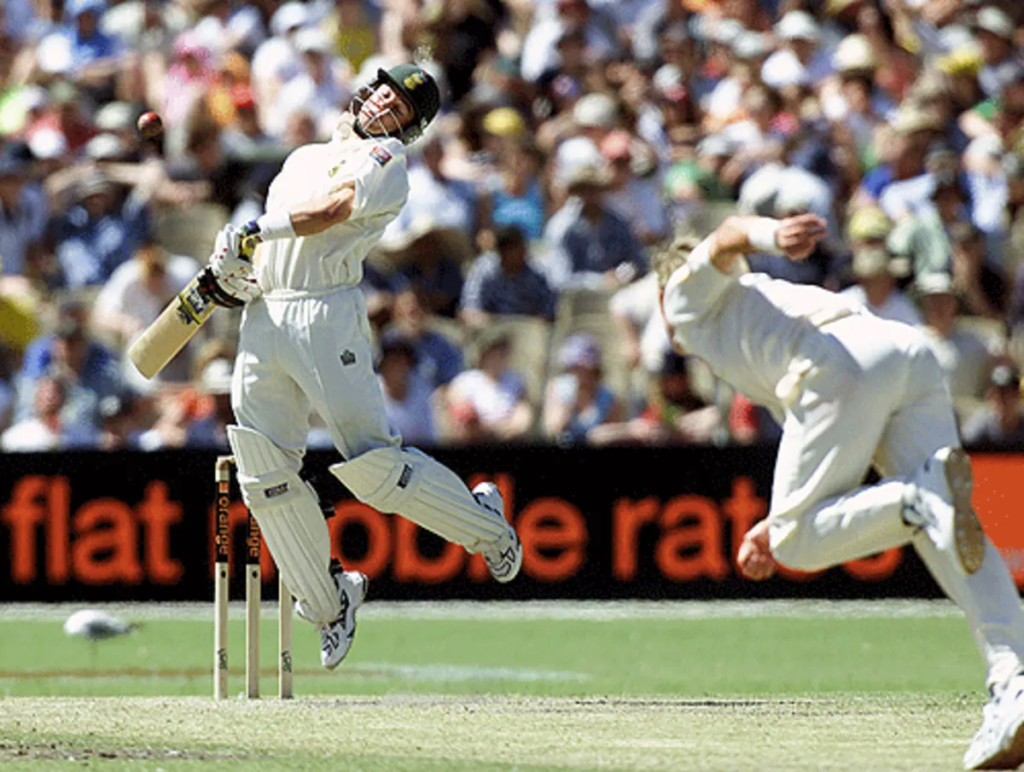
The easiest way to unsettle any batter first up is by digging a well-directed short-pitched bouncer. Bowling a well-directed bouncer prevents the batter from coming too far forward and disrupts his/her ability to positively use their front foot. The bouncer ball pushes the batter deep in the crease, making it an ideal situation for the fast bowlers to later follow it up with a full-pitched length delivery or even a yorker. If feet don’t move freely, a batter has a high chance of getting struck on hi/her front pad, thereby increasing the chances of being adjudged LBW in cricket.
To rattle the batter with a perfect bouncer, click on the link below to get complete access to our detailed guide.
Set Up The Batter With Two Outswinging Deliveries
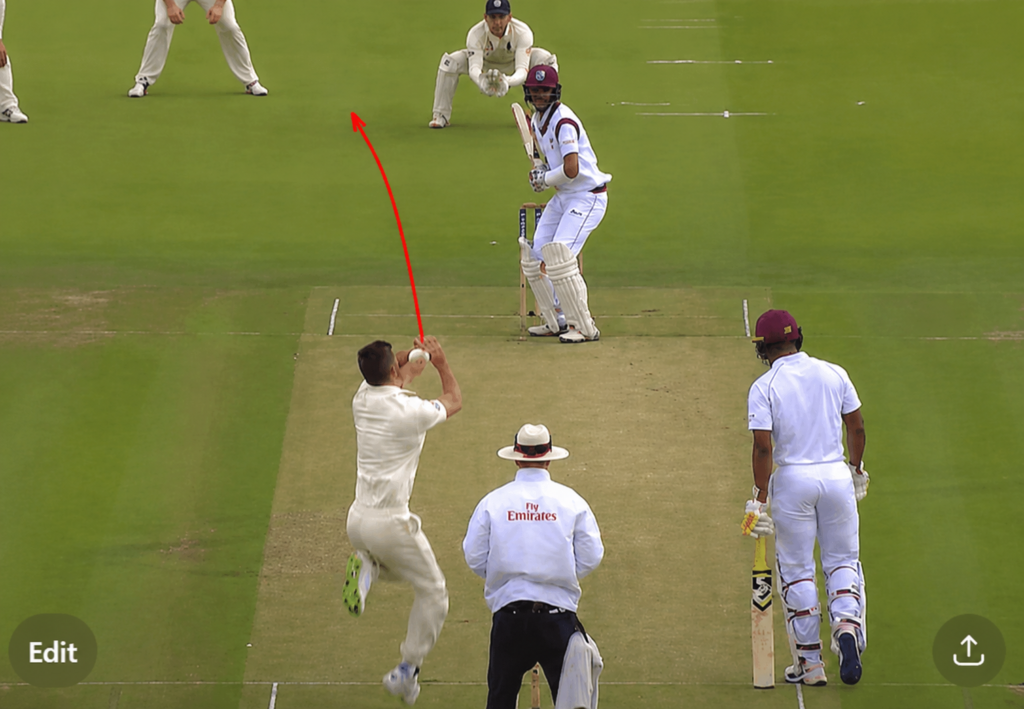
After pushing the batter back with a bouncer, your next course of action would be to draw your adversary forward on the front foot. Immediately following up a bouncer with a fuller-length delivery would force the batter to come forward, i.e., to do the exact opposite of what they did previously in the earlier delivery. An ideal delivery would be a gentle away swinger (also known as an outswinger) on a fairly fullish length. The trick is to make the batter plant their front foot forward while at the same time making them play away from their body. Two consecutive outswing deliveries are more than enough to set the batter up and get their front pad well in front to effect an LBW dismissal.
For detailed guidance and insights on swing bowling basics, take a peek at our ultimate swing bowling guide for fast bowlers.
Go Cross Seam For A Change (Optional)
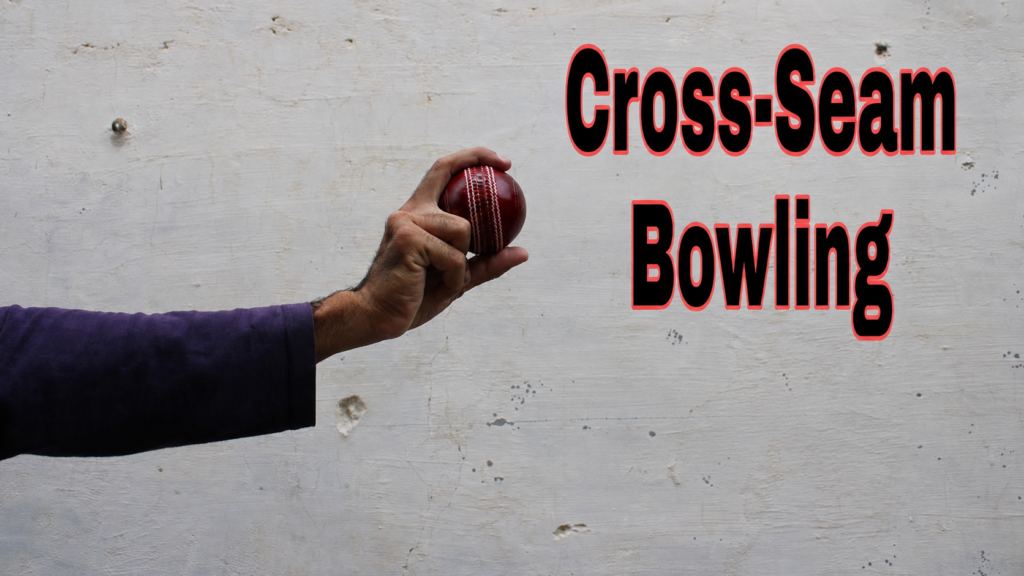
Another trick that can be used to trick the batters into judging a cricket ball is to bowl with a scrambled seam. Unlike an inswinger or an outswinger, a cricket ball with a scrambled seam tends to travel straight on. It does not move a great deal in the air or off the pitch. But what it does is it creates variable bounce, which in turn can plant seeds of doubt in the minds of the batters. The ball could either kick off a good length if it hits the seam, or keep low and skid through if the shiny side of the cricket ball makes contact with the pitch. If this delivery does not produce any false shots, then the upcoming delivery that follows is surely going to get the better of them, as we are about to find out.
The Real Deal: Surprise The Batter With The Inswing Ball
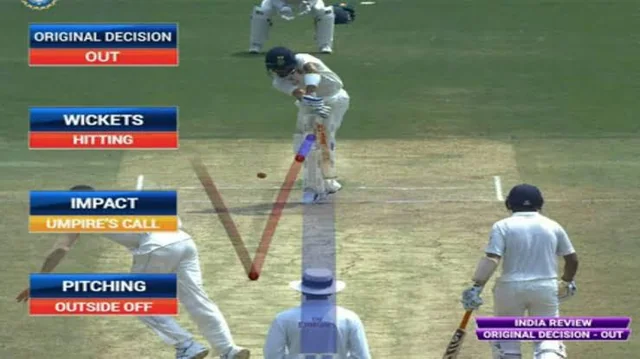
After facing a bouncer, a couple of outswingers, and a scrambled seam delivery, the batter now has far too many doubts to contend with. A lack of confidence will immediately start reflecting in their footwork. As a result, a lack of positive footwork makes the batter an easy prey for an LBW dismissal. This is an ideal time to introduce the inswing delivery, which can take the batters completely by surprise. If the length is ideal and the fast bowler extracts sufficient inward movement through the air, then the batter would end up seeing themselves in troubled waters.
For detailed guidance and insights on swing bowling basics, take a peek at our ultimate swing bowling guide for fast bowlers.
Key Fielding Positions To Consider For LBW
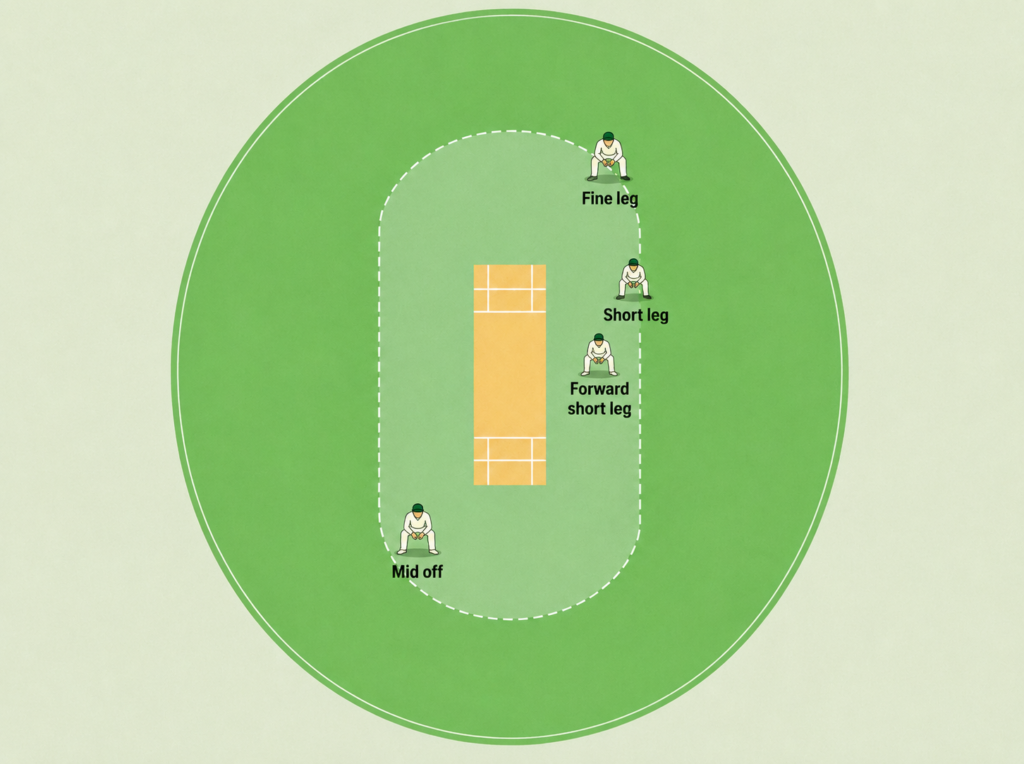
In fast bowling, success achieved is often hard-fought and is usually accompanied by maintaining the right fielding positions. Having the right set of fields can mount further pressure on the batter and result in unforced errors, leading to multiple modes of dismissal apart from LBW in cricket.
Here are some key fielding positions to bear in mind while setting up a batter for an LBW dismissal.
Fine Leg up: A wise decision for any captain to trap the batter LBW is to bring fine leg inside the 30-yard circle. This crucial fielding position might just tempt the batter to pick his/her spot on the leg side. With the fine leg up, the batter could sense an imminent scoring opportunity and might end up paying the price by playing around his/her front pad.
Mid Off up: Having the mid off up is considered one of the most aggressive forms of cricket fielding positions. This blocks or at least curtails the batter’s ability to play the drive or a solid punch down the ground. Having such a field placement for LBW dismissal makes the batter reconsider their strategy. This opens up the possibility of a batter being dismissed under the impact outside off LBW rule. In such a scenario, a batter could experience a brain fade moment, and instead of offering a shot, the batter would make the costly blunder of letting the ball go. As a result, if the ball tails back in and if impact is outside off stump LBW would still be valid if the batter has no intention of playing a shot.
Short Leg: Although a short leg is not directly involved in an LBW dismissal, it is one of the most valuable fielding positions when setting an attacking field for an inswinging bowler or spinner. Deliveries that angle or turn into the batter often force awkward defensive shots. If the batter gets a faint inside edge or lobs the ball off the bat-pad while trying to negate the swing or turn, a well-positioned short leg or forward short leg can turn that half-chance into a simple catch. In other words, while you’re hunting for an LBW, a close-in leg-side catcher provides an excellent backup wicket-taking option.
Final Thoughts On Getting A Batter Dismissed LBW in Cricket
Mastering LBW is about more than simply bowling an inswinger. While an inswinging delivery remains one of the most effective weapons for an LBW out, predictable bowling allows batters to prepare. Instead, keep them guessing by mixing up your lengths and variations with bouncers, outswingers, scrambled-seam deliveries, and then unleashing a sharp inswinger at the right moment. Combined with the right fielding positions, this approach significantly improves your chances of an LBW in cricket.
For more helpful cricket tips and coaching guidance, feel free to browse through a plethora of cricket guides on our dedicated resource section page.
Recommended Cricket Coaching Guides
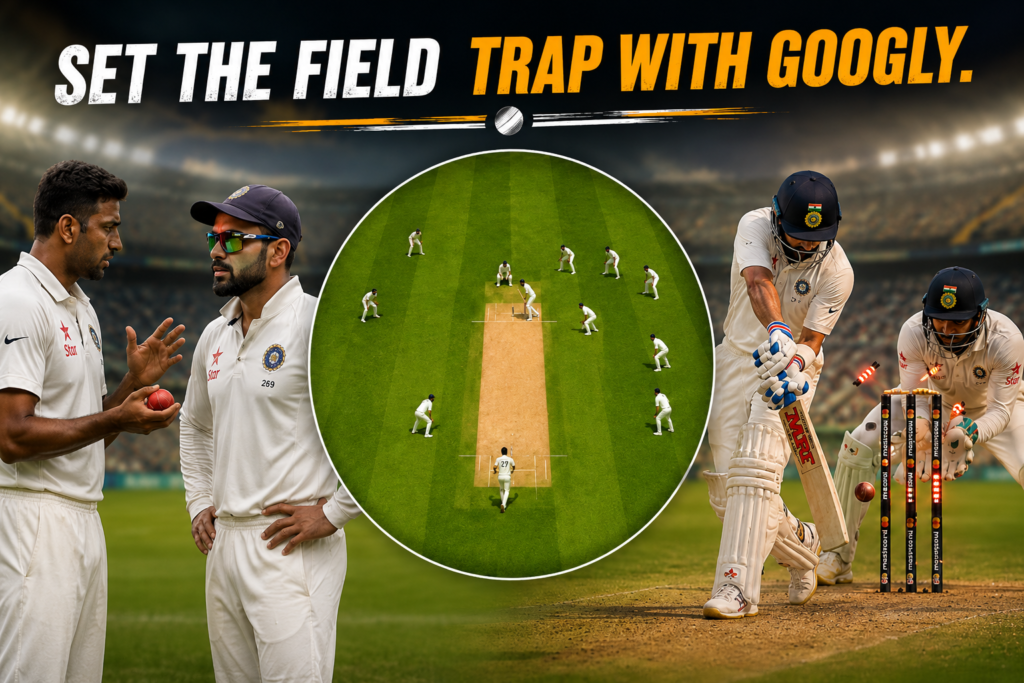
Key Cricket Fielding Positions To Consider For a Googly in Cricket

Cricket Batting Tips: How To Read A Googly Ball To Perfection
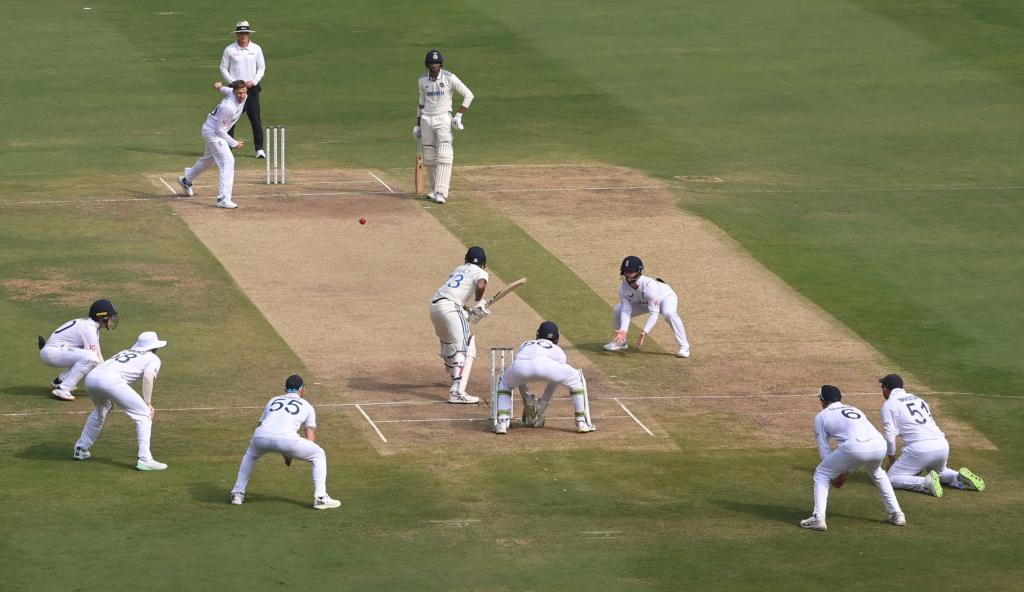
All Fielding Positions in Cricket: 11 Key Cricket Fielding Position Names Explained
Found Our Cricket Coaching Guide Insightful?
With the right equipment, access to top experts, and the resources to grow, Cricvision can go the extra mile! If you’d like to be part of this journey, visit our donation page. Every contribution counts and directly fuels our growth.
Donate Now